
Is Malaysia Still Attractive to Investors?
Is Our Bourse Still Attractive?
The question of whether Bursa Malaysia remains an attractive investment destination has resurfaced amid heightened global volatility, shifting capital flows and increasing competition from regional markets.
In recent months, the local equity market has faced intermittent bouts of foreign fund outflows, largely driven by elevated global interest rates, a stronger US dollar and investors’ preference for developed market assets. These external pressures have, at times, overshadowed Malaysia’s relatively stable macroeconomic fundamentals.
Despite this, market observers argue that Bursa Malaysia continues to offer structural strengths that should not be overlooked. Valuations for many listed companies remain comparatively attractive, particularly when measured against regional peers. The benchmark FBM KLCI is trading below historical averages on a price-to-earnings basis, reflecting a degree of caution that may already be priced into the market.
Earnings resilience is another supporting factor. Key sectors such as banking, utilities and selected consumer-related counters have demonstrated steady performance, underpinned by healthy domestic demand and prudent balance sheet management. Analysts note that Malaysia’s banking system remains well-capitalised, providing stability during periods of global financial uncertainty.
From a longer-term perspective, Malaysia’s ongoing economic restructuring and policy focus on high-value industries — including electrical and electronics, renewable energy and digital infrastructure — could enhance the market’s investment appeal. These structural themes are expected to support sustainable earnings growth, particularly for companies aligned with national development priorities.
However, challenges persist. Liquidity remains uneven, with trading activity concentrated in a narrow group of large-cap stocks, while smaller-cap counters struggle to attract sustained investor interest. In addition, global investors remain sensitive to policy clarity, fiscal discipline and execution risks, all of which can influence sentiment toward emerging markets like Malaysia.
Market strategists suggest that Bursa Malaysia’s attractiveness ultimately depends on investment horizon and selectivity. While short-term volatility may persist amid global uncertainties, long-term investors could find value in fundamentally strong companies with clear growth trajectories and sound governance practices.
In this context, the local bourse may not deliver rapid gains driven by speculative flows, but it continues to offer opportunities for disciplined investors seeking reasonable valuations, stable dividends and exposure to Malaysia’s evolving economic landscape.
Related Articles

What Does IFCCI Do? Advancing Financial Education, Certification and Research
7 Aug 2026
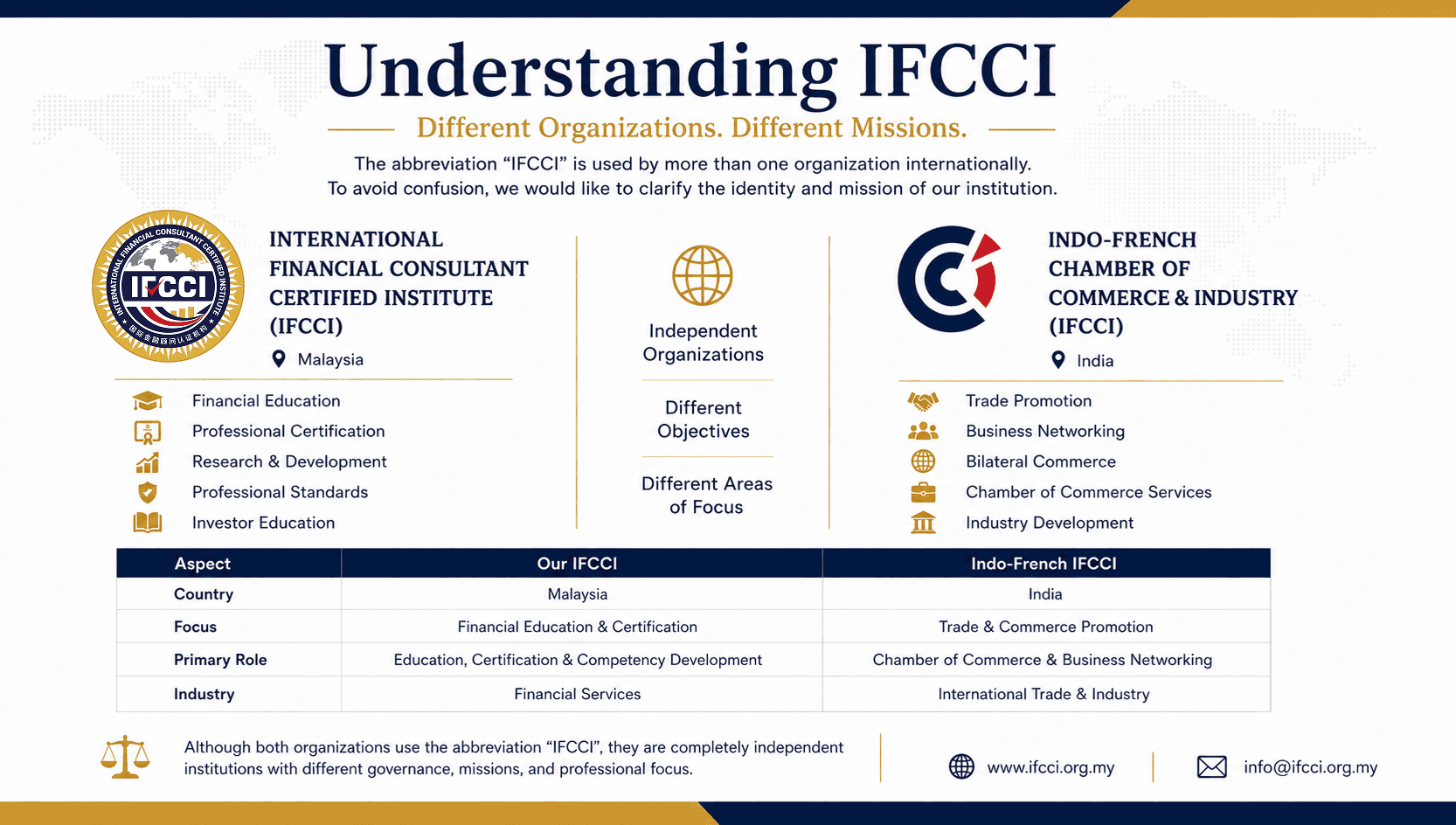
Understanding IFCCI: International Financial Consultant Certified Institute and Other Organizations Using the IFCCI Acronym
27 Jul 2026
Why International Financial Skills Championships Matter in Developing Global Financial Excellence
13 Jul 2026