
Iran Conflict’s Economic Burden on Developing Nations Under Scrutiny
A recent commentary by Jayati Ghosh has underscored the significant economic ramifications of the ongoing conflict involving Iran, particularly for the developing world. Ghosh argues that a framework of ‘double standards’ is actively fueling the conflict, leading to substantial costs that will ultimately be borne by nations in the global South.
The analysis, as presented by Ghosh, suggests that an inconsistent application of international norms and responses to geopolitical events contributes to the perpetuation of the conflict. This selective approach, according to the commentary, hinders the pursuit of a comprehensive and equitable resolution, thereby intensifying the humanitarian and economic toll on affected regions and beyond. The commentary points to a perceived imbalance in how international bodies and powerful nations address various global crises, creating an environment where certain conflicts are allowed to fester with disproportionate consequences for vulnerable populations.
Ghosh’s perspective emphasizes that while the immediate impacts of the conflict may be concentrated geographically, its wider economic ramifications are far-reaching. Developing economies, often characterized by existing vulnerabilities, are particularly susceptible to these broader consequences. The costs extend beyond direct conflict expenditures, encompassing disruptions to vital international trade routes, which can impede the flow of essential goods and services. Furthermore, the conflict contributes to increased volatility in global commodity prices, affecting everything from energy to food supplies, thereby impacting inflation and living costs in developing nations. Heightened demands for humanitarian assistance also divert resources that could otherwise be allocated to long-term development projects.
These factors collectively present compounded challenges for developing nations striving to maintain economic stability, achieve sustainable growth, and address the pressing needs of their populations amidst prolonged regional instability. The commentary highlights how the economic burden of such conflicts can exacerbate existing inequalities, hinder poverty reduction efforts, and potentially trigger social unrest in already fragile economies.
The commentary serves as a critical examination of how international dynamics and perceived inconsistencies in global policy contribute to the economic strain experienced by the developing world in the context of the Iran conflict. It calls attention to the interconnectedness of geopolitical events and their ripple effects on global economic equity and stability, urging a reevaluation of approaches to conflict resolution to mitigate the disproportionate impact on the most vulnerable economies.
Related Articles

What Does IFCCI Do? Advancing Financial Education, Certification and Research
7 Aug 2026
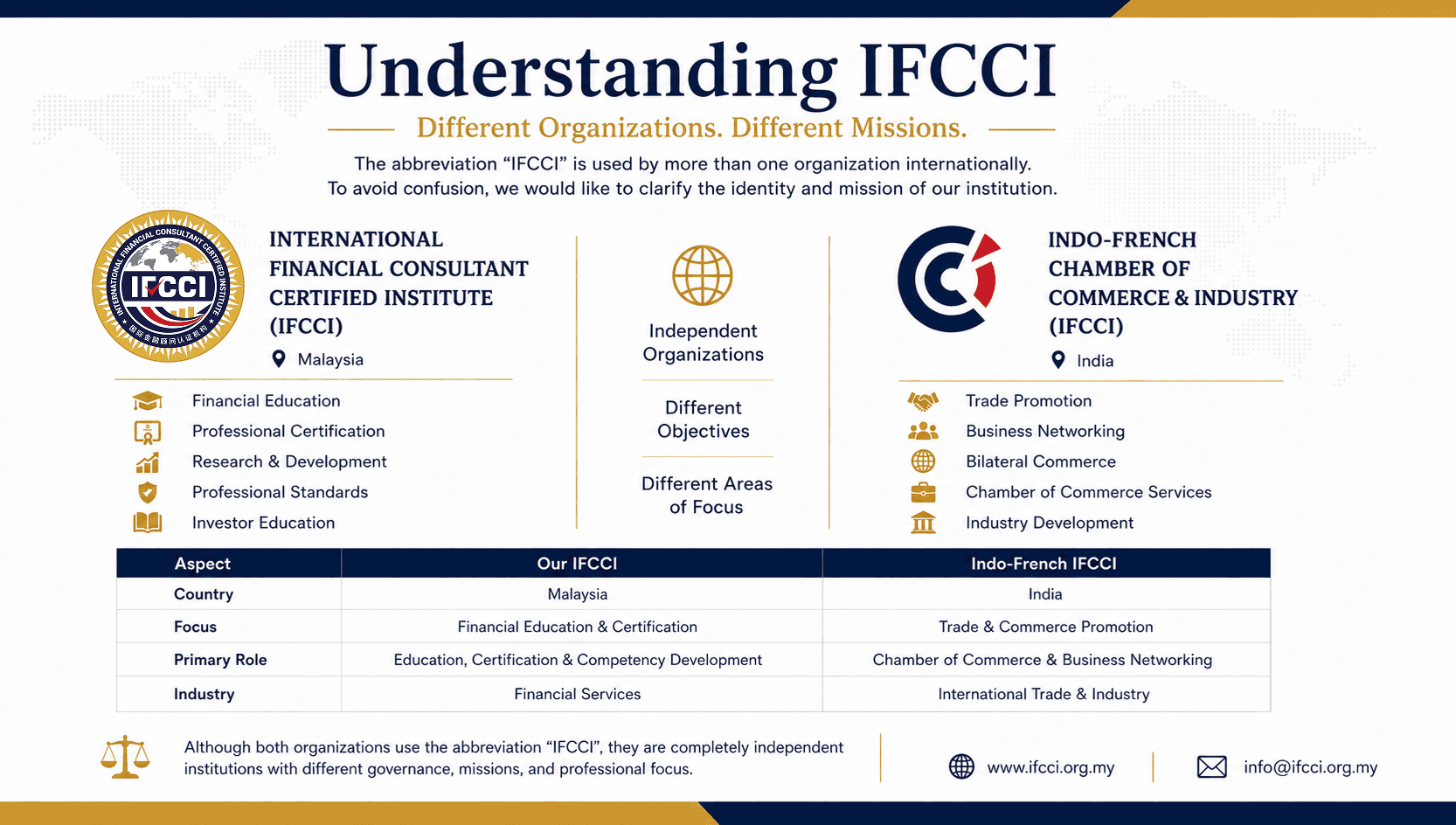
Understanding IFCCI: International Financial Consultant Certified Institute and Other Organizations Using the IFCCI Acronym
27 Jul 2026
Why International Financial Skills Championships Matter in Developing Global Financial Excellence
13 Jul 2026