
Interpol Warns Over 60 Countries Affected by Trafficking-Driven Crypto Scam Networks
Interpol Reports Over 60 Countries Hit by Human Trafficking-Fueled Crypto Scams
Interpol has released a stark new assessment warning that human trafficking syndicates are increasingly powering large-scale cryptocurrency scam operations, with victims identified in more than 60 countries. The report highlights how organised criminal groups are evolving into sophisticated cyber-fraud networks, using exploitation, coercion, and digital tools to orchestrate high-volume financial crimes.
Criminal Networks Expanding Through Forced Labour
According to Interpol’s findings, criminal groups based primarily in Southeast Asia have intensified their use of forced labour to run online scam operations. Victims — often lured with promises of legitimate employment — are trafficked into compounds where they are coerced into operating fake investment platforms, romance scams, and fraudulent crypto-trading schemes.
These scam hubs have evolved into industrial-scale operations, equipped with coordinated call centres, multi-lingual teams, and technology infrastructure designed to deceive global users.
Interpol warns that these networks have rapidly expanded their financial reach, leveraging cryptocurrencies to obscure money flows and evade traditional tracking systems.
Crypto Scams Becoming Increasingly Organised and Global
Interpol’s report underscores that cryptocurrency-based fraud has shifted from isolated schemes to a sprawling transnational enterprise. Scam activity linked to trafficking networks has been detected across Asia, the Middle East, Latin America, Africa, Europe, and North America.
The organisation notes that advances in blockchain technology have made value transfer faster, borderless, and harder to fully trace — a structural advantage that criminal groups exploit. These syndicates have diversified their operations, using:
- fake crypto exchanges
- high-yield investment platforms
- impersonation of licensed financial institutions
- fraudulent digital-asset trading bots
- “pig-butchering” social-engineering attacks
These scams often target individuals in regions with rising digital-asset adoption and less robust consumer protection frameworks.
Governments and Law Enforcement Under Pressure
As trafficking-fuelled crypto fraud spreads globally, law-enforcement agencies face mounting challenges in identifying perpetrators, locating victims, and dismantling transnational networks.
Interpol highlighted multiple structural obstacles:
- criminal compounds operating in remote or lawless zones
- cross-border digital payments difficult to intercept
- victims denied freedom of movement and communication
- encrypted communication channels
- rapid conversion of digital assets into privacy-enhancing tokens
Despite these difficulties, several multi-country operations have successfully rescued trafficking victims and disrupted cybercrime rings. However, Interpol warns that the scale of exploitation continues to grow faster than current enforcement capacity.
Financial and Social Impact Intensifies
The global financial toll of trafficking-backed crypto scams has surged, with losses now estimated in the billions of dollars annually. Beyond monetary impacts, Interpol emphasises the severe humanitarian cost — thousands of individuals trapped in forced labour, psychological abuse, and debt bondage.
The organisation also notes rising geopolitical implications, as some criminal factions have begun forging alliances with militant groups, corrupt officials, and cross-border cartels, expanding the reach of these networks.
Interpol Calls for Stronger International Coordination
To counter the accelerating threat, Interpol is urging governments to enhance intelligence sharing, strengthen digital-asset regulation, and expand victim-protection protocols. Key recommendations include:
- tighter oversight of virtual-asset service providers
- mandatory identity verification for cross-border crypto transfers
- increased cybercrime training for police forces
- rapid-response mechanisms for identifying trafficking victims
- diplomatic coordination to dismantle transnational criminal hubs
Interpol warned that failure to act quickly risks allowing trafficking-fuelled cybercrime to become an entrenched component of the global digital economy.
Conclusion
Interpol’s latest report paints a sobering picture: human trafficking and crypto fraud are increasingly intertwined, forming a fast-growing criminal ecosystem operating across continents. As digital assets continue to expand into mainstream finance, coordinated global action will be essential to protect consumers, dismantle trafficking operations, and limit the influence of criminal organisations leveraging the cryptocurrency landscape.
Related Articles

What Does IFCCI Do? Advancing Financial Education, Certification and Research
7 Aug 2026
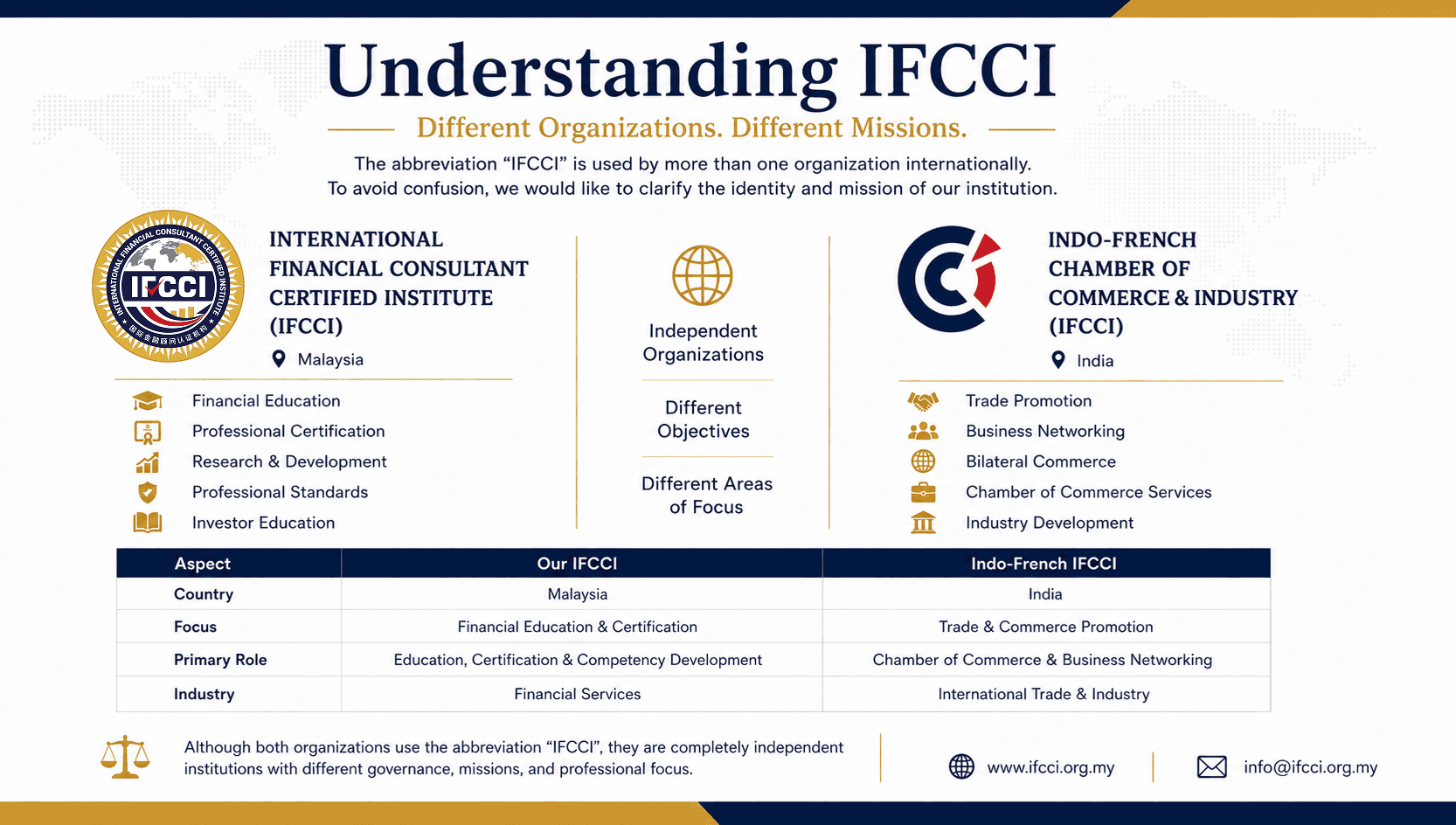
Understanding IFCCI: International Financial Consultant Certified Institute and Other Organizations Using the IFCCI Acronym
27 Jul 2026

Why International Financial Skills Championships Matter in Developing Global Financial Excellence
13 Jul 2026