
Indonesia to Impose 15% Free Float Requirement
Indonesia Financial Regulator Says It Will Impose 15% Stock Free Float Requirement
Indonesia’s financial services regulator has announced plans to impose a minimum 15% free float requirement for listed companies, a move aimed at improving market liquidity, strengthening corporate governance and enhancing investor protection in Southeast Asia’s largest capital market.
The policy, outlined by the Financial Services Authority (OJK), is expected to be implemented in phases, with further details on scope, timelines and exemptions to be released in due course.
Boosting liquidity and market depth
According to the regulator, the proposed free float threshold is intended to address persistent liquidity constraints in parts of the Indonesian equity market, where concentrated ownership structures have limited trading activity and price discovery.
By increasing the proportion of publicly traded shares, OJK aims to create a more investable market environment, particularly for institutional and foreign investors who require sufficient liquidity to deploy capital efficiently.
“Higher free float levels support healthier trading dynamics and improve market transparency,” the regulator said.
Corporate governance and investor confidence
The regulator noted that the move would also reinforce governance standards by reducing excessive control concentration and encouraging broader shareholder participation.
Analysts said the policy aligns Indonesia more closely with regional and global market practices, where minimum free float requirements are commonly used to enhance governance discipline and reduce volatility risks.
Stronger governance frameworks are seen as critical to sustaining long-term investor confidence, especially amid heightened global market uncertainty.
Implications for listed companies
Companies with free float levels below the proposed threshold may be required to undertake share placements, secondary offerings or corporate restructuring exercises to comply with the new rules.
Market participants cautioned that while the policy is positive for market development, some smaller or family-controlled firms may face short-term adjustment challenges.
“The key will be how flexible the implementation is, particularly for strategic sectors or state-linked companies,” an equity market strategist said.
Phased rollout expected
OJK indicated that it is engaging with market stakeholders, including listed companies, advisers and investors, to ensure a smooth transition. A phased implementation approach could help minimise market disruption while allowing companies sufficient time to comply.
Further regulatory guidance is expected once consultations are completed.
Market outlook
Analysts believe the free float requirement could enhance Indonesia’s appeal as an investment destination over the medium term by improving liquidity metrics and index eligibility, potentially attracting incremental foreign inflows.
Related Articles

What Does IFCCI Do? Advancing Financial Education, Certification and Research
7 Aug 2026
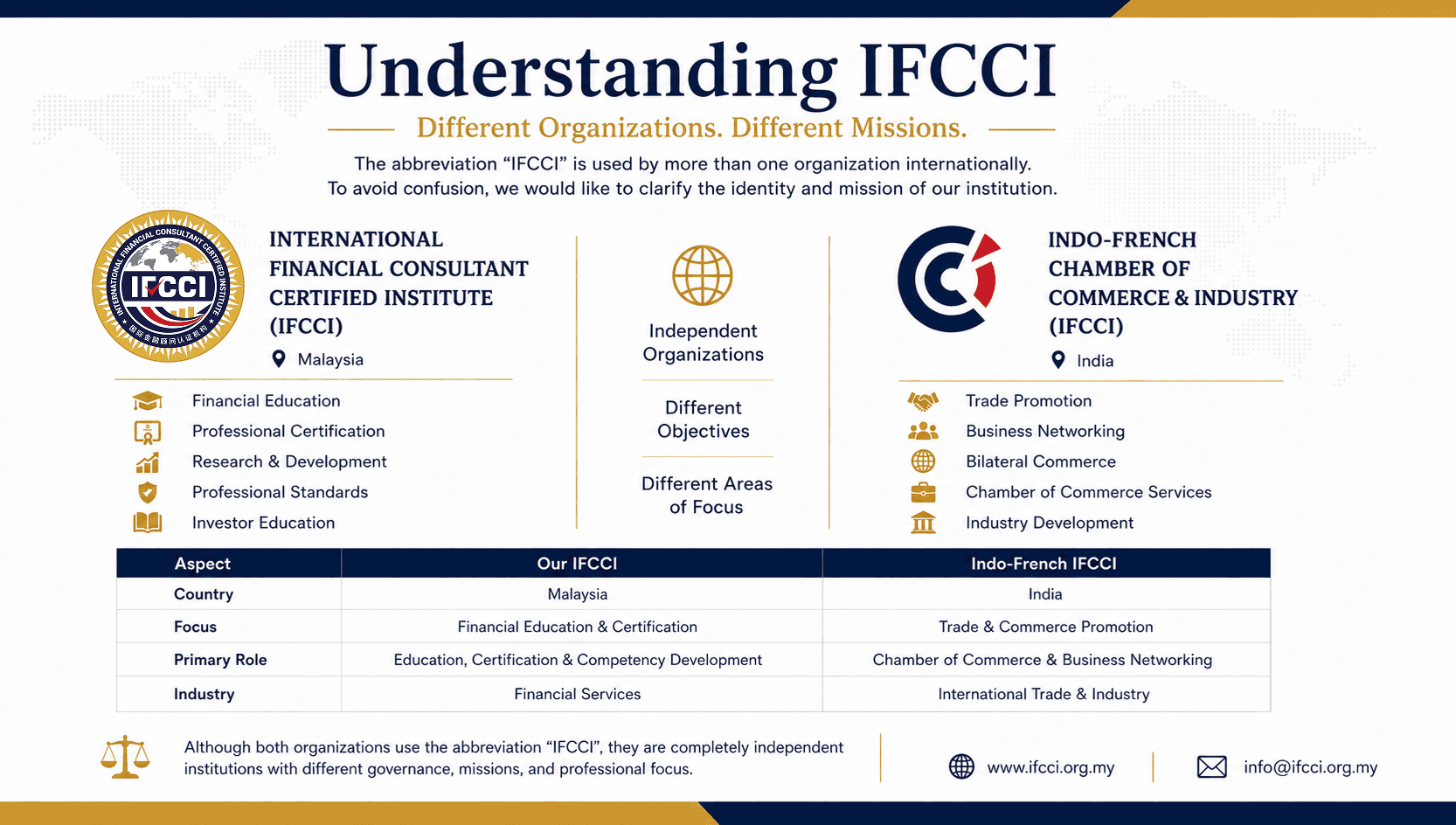
Understanding IFCCI: International Financial Consultant Certified Institute and Other Organizations Using the IFCCI Acronym
27 Jul 2026

Why International Financial Skills Championships Matter in Developing Global Financial Excellence
13 Jul 2026