
5 Smart Ways to Avoid a Margin Call
Trading with margin gives traders the opportunity to control larger positions with a smaller amount of capital. While this can amplify profits, it can also magnify losses. If you don’t fully understand how margin works—or what to do if your broker issues a margin call—you’re at serious risk of blowing your account.
To help you stay safe, here are five practical ways to avoid a margin call:
1. Understand What a Margin Call Really Is
Before you can avoid a margin call, you need to understand how it happens.
Many beginner traders focus heavily on technical indicators and chart patterns, while overlooking critical account metrics such as margin requirements, equity, used margin, free margin, and margin level.
A margin call is triggered when your Margin Level falls below the minimum required by your broker. At this point, you’ll receive a warning (usually by email or app notification) to deposit more funds or reduce your open positions to meet the required margin.
If you’re trading without understanding these key concepts, you’re gambling—not trading.
2. Know the Margin Requirements Before Placing Any Order
Always check margin requirements before opening any trade.

Many traders place pending orders and forget about them. Since pending orders don’t immediately use margin, they can lull you into a false sense of security. But once filled, the trade will require margin. If you haven’t accounted for that, it can trigger a margin call.
To avoid this:
- Check the required margin for each trade.
- Make sure your account has enough free margin to support the position.
- Always allow for buffer margin in case the market moves against you.
When managing multiple positions or pending orders, keep close tabs on your account metrics.
3. Always Use Stop Losses or Trailing Stops
A stop loss is a risk-control tool that automatically exits a trade when the market moves against you.
Let’s say you go long 1 mini lot of USD/JPY at 110.50 and set your stop loss at 109.50. If the price drops to 109.50, your trade closes with a 100-pip loss ($100).
Without a stop loss, continued losses could erode your equity and eventually trigger a margin call.
Trailing stops are another powerful tool—they follow the market in your favor and lock in profits while protecting you from large reversals.
Both tools help prevent runaway losses and reduce the chances of triggering a margin call.
4. Scale Into Positions Instead of Going All-In
Overconfidence can lead traders to open large positions all at once. For example, you might think GBP/USD has peaked and open a massive short trade—only to watch it climb higher.
This type of aggressive entry can quickly drain your account and cause a margin call.
Instead, consider scaling in:
- Start with a smaller position.
- Add to it only as the trade moves in your favor.
- Adjust stop losses on earlier trades to manage risk.
While this strategy may require more margin, it spreads your risk across different price points, helping to reduce the chances of a margin call.
5. Know What You’re Doing—Risk First, Profits Later
Many margin calls happen because traders simply don’t understand what they’re doing. They focus on potential profits while ignoring the risks.
Don’t fall into this trap.

Risk management should always come before profit targets. Know your account limits. Understand how margin works. And always trade with a clear plan.
Final Thoughts
Avoiding a margin call is about preparation, not luck.
✔️ Know your broker’s margin rules.
✔️ Monitor your positions and account metrics closely.
✔️ Use stop losses.
✔️ Trade with discipline—not emotion.
Margin trading can be powerful, but it’s not forgiving. Stay educated, stay cautious, and always manage your risk first.
Related Articles

What Does IFCCI Do? Advancing Financial Education, Certification and Research
7 Aug 2026
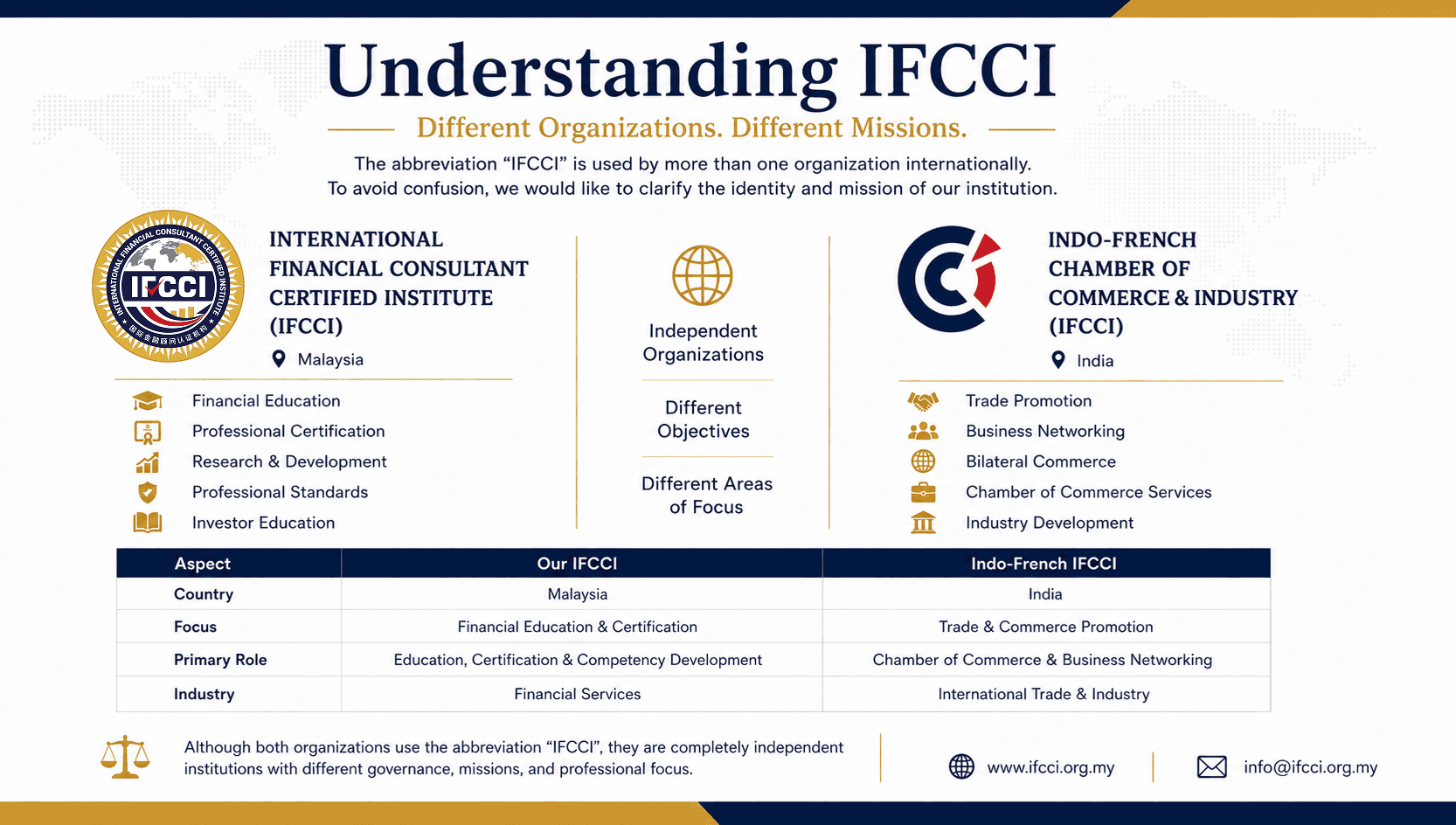
Understanding IFCCI: International Financial Consultant Certified Institute and Other Organizations Using the IFCCI Acronym
27 Jul 2026

Why International Financial Skills Championships Matter in Developing Global Financial Excellence
13 Jul 2026