
How Much Revenue the US Generates From Tariffs
Tariffs as a Revenue Source: The Big Picture
Tariffs—taxes imposed on imported goods—have re-emerged as a significant tool in US economic policy, serving both fiscal and strategic objectives. In recent years, the United States has generated tens of billions of dollars annually from tariff collections, marking a notable shift from their historically modest role in federal revenue.
While tariffs represent a small share of total federal receipts, their importance has grown amid rising geopolitical tensions, trade realignments, and industrial policy initiatives.
How Much Revenue Do US Tariffs Generate?
Based on Treasury and customs data, US tariff and customs duty revenues have typically ranged between $70 billion and $100 billion per year in recent cycles, depending on trade volumes, tariff rates, and exemption regimes.
Key drivers of tariff revenue include:
- Section 301 tariffs on Chinese imports
- Section 232 tariffs on steel and aluminium
- Increased enforcement and customs valuation
- Shifts in global supply chains
Tariff collections surged following the introduction of trade measures in the late 2010s and have remained elevated compared with pre-trade-war levels.
Tariffs in Context: A Small Share of Federal Income
Despite the headline figures, tariffs remain a minor component of total US federal revenue, which exceeds $4 trillion annually.
Approximate revenue shares:
- Individual income taxes: dominant source
- Payroll taxes: second-largest contributor
- Corporate taxes: cyclical but significant
- Tariffs and customs duties: roughly 1–2% of total revenue
This means tariffs are not a primary budget-funding mechanism, but rather a policy lever with fiscal side effects.
Who Actually Pays the Tariffs?
While tariffs are collected at the border from importers, the economic burden is often shared across:
- US importers and firms
- Consumers, through higher prices
- Foreign exporters, via reduced margins
Empirical studies suggest that a significant portion of US tariffs has been passed through to domestic prices, particularly in goods with limited substitution options.
As a result, tariff revenue represents both government income and an implicit tax on domestic consumption and production inputs.
Tariffs, Inflation, and Consumer Prices
Tariffs can influence inflation by raising the cost of imported goods and intermediate inputs. The impact depends on:
- Elasticity of demand
- Availability of alternative suppliers
- Currency movements
- Competitive dynamics within industries
While tariffs alone are rarely the dominant driver of inflation, they can amplify price pressures during periods of supply constraint or currency weakness.
Strategic and Political Dimensions
Beyond revenue, tariffs are increasingly used to:
- Protect strategic industries
- Encourage domestic production
- Pressure trading partners in negotiations
- Address national security concerns
From this perspective, tariff revenue is often viewed as secondary to strategic objectives, even when collections are substantial.
Trade Diversion and Revenue Stability
One challenge with tariffs as a revenue source is erosion over time. As firms adjust supply chains to avoid tariffed goods, imports may shift toward non-tariffed countries, reducing long-term collections.
This dynamic means tariff revenue:
- Can spike quickly after implementation
- May stabilise or decline as trade patterns adapt
- Is inherently less predictable than broad-based taxes
IFCCI Assessment: Revenue With Trade-Offs
The IFCCI Research Division assesses that US tariff revenue is fiscally meaningful but economically complex.
Key conclusions:
- Tariffs generate sizable revenue but remain a small share of total federal income
- Economic costs are partially borne by domestic consumers and firms
- Strategic use of tariffs often outweighs pure revenue considerations
Tariffs should therefore be viewed as a policy instrument first, revenue stream second.
Conclusion
The United States generates tens of billions of dollars annually from tariffs, a level far above historical norms. While these revenues contribute to federal income, they are modest relative to the overall budget and come with economic trade-offs.
Ultimately, tariffs function less as a traditional tax base and more as a strategic tool—one that raises revenue, reshapes trade flows, and influences global economic relationships at the same time.
Related Articles

What Does IFCCI Do? Advancing Financial Education, Certification and Research
7 Aug 2026
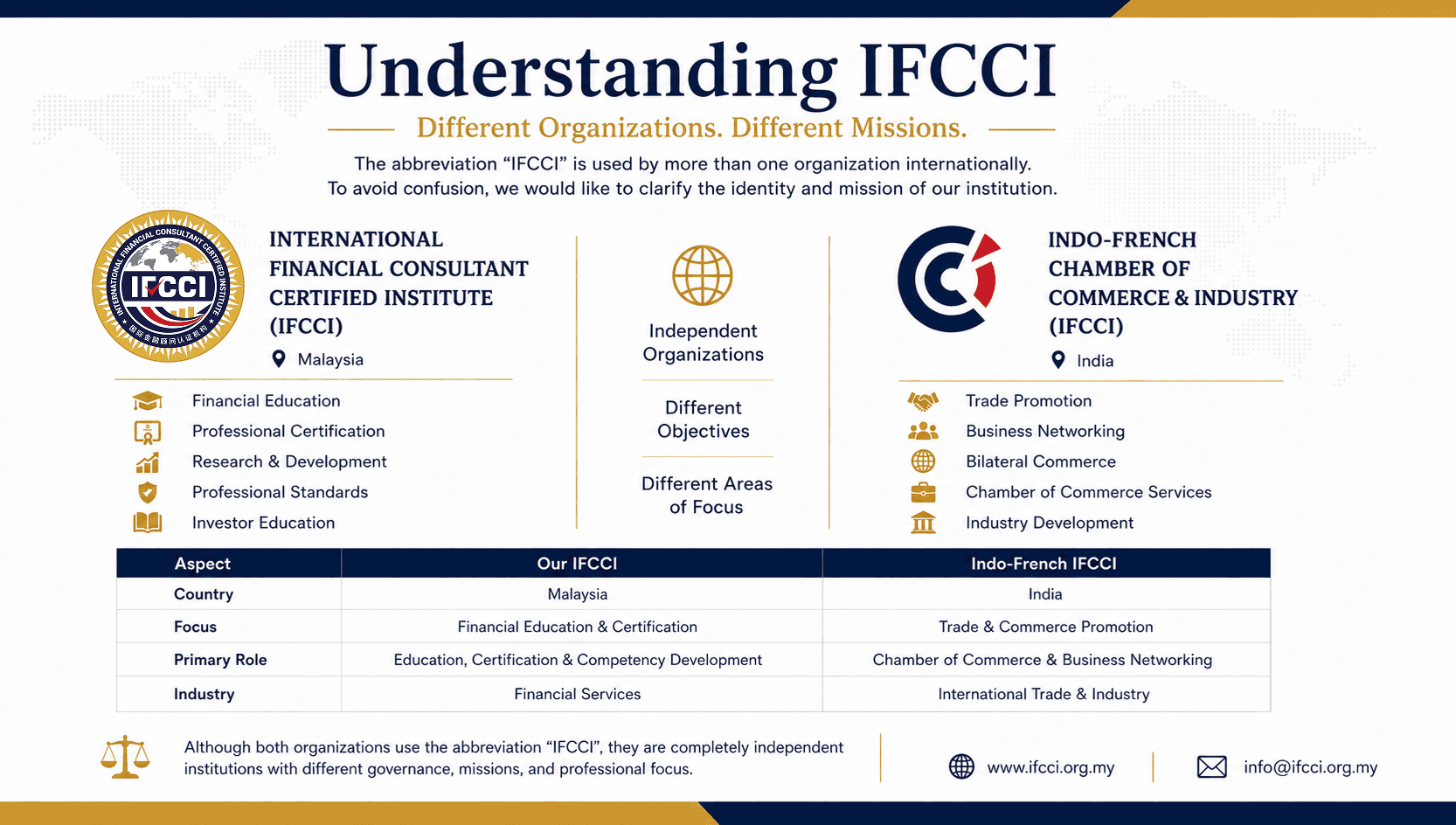
Understanding IFCCI: International Financial Consultant Certified Institute and Other Organizations Using the IFCCI Acronym
27 Jul 2026

Why International Financial Skills Championships Matter in Developing Global Financial Excellence
13 Jul 2026