
Gold Prices Stabilize Amid West Asia Ceasefire Negotiations
Gold prices exhibited stability on Tuesday as global investors closely monitored ongoing ceasefire negotiations in West Asia. The precious metal, traditionally viewed as a safe-haven asset, maintained its position amidst evolving geopolitical developments in the region, which continue to shape market sentiment and influence investment decisions worldwide.
Market participants are keenly assessing the progress of discussions aimed at de-escalating tensions in the Middle East. These talks are a significant factor influencing investor sentiment, particularly concerning assets sought during periods of heightened uncertainty and perceived risk. The stability observed in gold prices suggests a balanced reaction from the market, where the potential for de-escalation is being weighed against the persistent underlying geopolitical risks that have characterized the region for some time.
Investors typically turn to gold during times of geopolitical instability or economic uncertainty, seeking its perceived reliability as a store of value when other assets might appear more volatile. This flight to safety is a well-established pattern in financial markets, driven by the desire to preserve capital amidst external shocks. The current environment underscores this dynamic, with the metal’s performance directly linked to the ebb and flow of international relations and the perceived level of global risk.
The ongoing developments in West Asia are a primary focus for those tracking safe-haven demand. Geopolitical events, such as conflicts or diplomatic efforts to resolve them, often create an environment where investors seek refuge in assets like gold, which are less susceptible to the direct economic impacts of regional instability. While gold prices held steady, the underlying sentiment remains highly sensitive to news flow emanating from the region. This sensitivity indicates that any definitive progress in the ceasefire talks, or conversely, any setbacks, could trigger a more pronounced reaction in the gold market. Global financial markets are accustomed to reacting to such geopolitical catalysts, and the current situation is no exception, with traders and portfolio managers adjusting their positions based on the latest updates.
The impact of geopolitical developments on safe-haven demand is a critical aspect of market analysis. The stability in gold prices today reflects a period of cautious observation, as investors await clearer signals regarding the future trajectory of events. This careful assessment is crucial for understanding broader market trends, as shifts in geopolitical risk can ripple across various asset classes, affecting everything from equity markets to currency valuations.
As negotiations continue to unfold, the gold market is expected to remain responsive to these developments. Its role as a safe-haven asset will continue to be a key focus for global investors navigating the complexities of international relations and their potential impact on asset prices. The stability seen today reflects a period of assessment, with market participants awaiting clearer signals regarding the future trajectory of geopolitical events in the critical West Asia region, underscoring the interconnectedness of global politics and financial markets.
Related Articles

What Does IFCCI Do? Advancing Financial Education, Certification and Research
7 Aug 2026
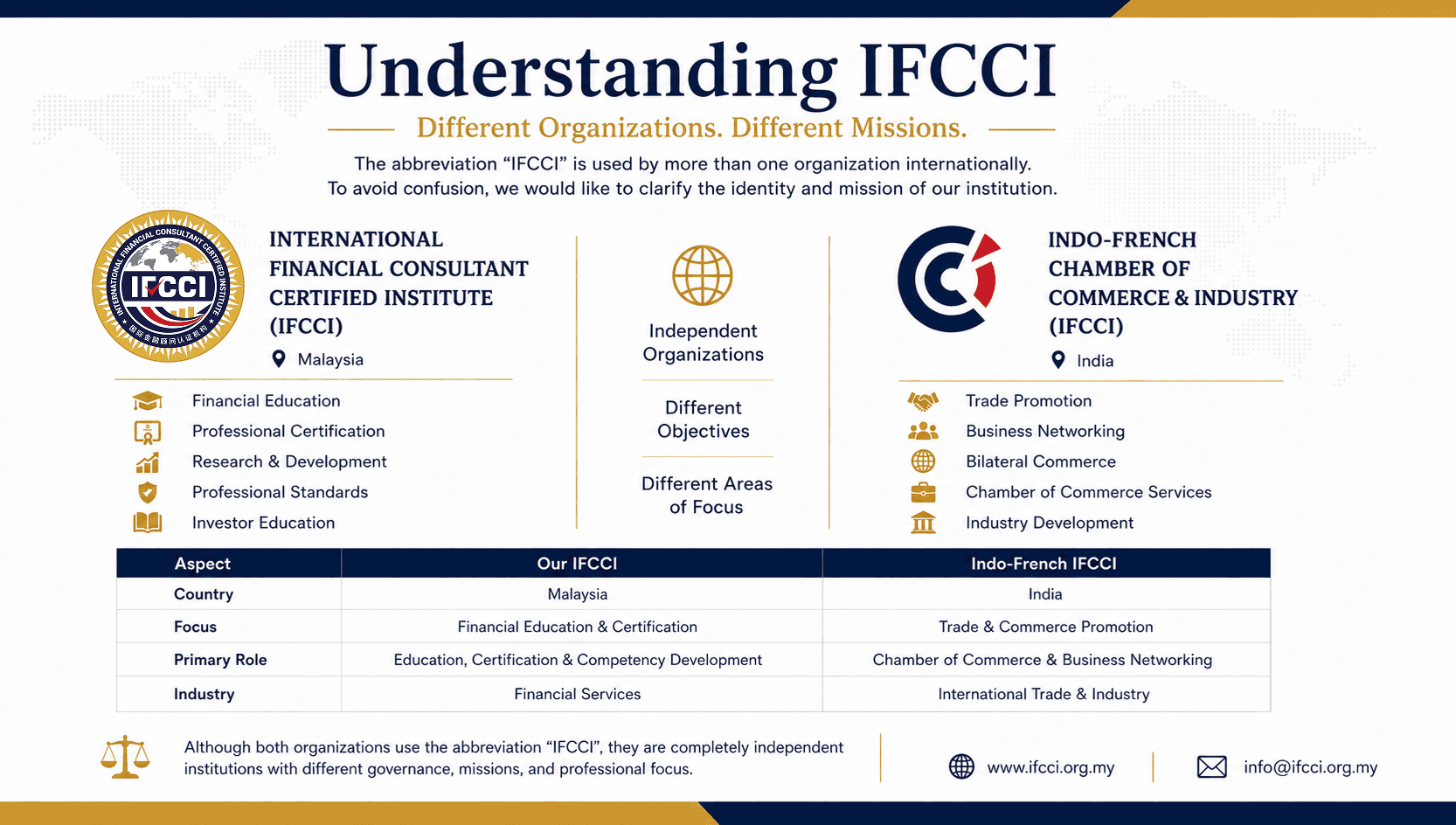
Understanding IFCCI: International Financial Consultant Certified Institute and Other Organizations Using the IFCCI Acronym
27 Jul 2026

Why International Financial Skills Championships Matter in Developing Global Financial Excellence
13 Jul 2026