
Geopolitical Tensions Heighten Amid Warnings of Expanding Proxy Conflicts
Global geopolitical tensions are reportedly escalating, with particular focus on the potential for an expanding proxy conflict involving Iran. Concerns have been raised regarding the possibility of such a scenario drawing the United States into deeper engagement within the region, a development that could have far-reaching strategic and economic implications.
Analysts and observers have highlighted the significant risks associated with an intensified proxy war. A key concern revolves around the potential for a substantial drain on military resources, specifically pointing to the possibility of the United States depleting its missile inventory. This aspect underscores the profound strategic and logistical challenges that could arise from prolonged or expanded military involvement in a complex regional conflict. Such a scenario would not only test immediate combat readiness but also impact long-term defense planning, procurement strategies, and the overall allocation of national resources. The sustained demand for advanced weaponry and munitions could place considerable strain on defense industrial bases and supply chains.
Furthermore, the emergence of a more entrenched and widespread proxy conflict is widely viewed as a significant distraction from other pressing global issues. Such a development could divert critical diplomatic attention, financial resources, and strategic focus away from other international priorities, potentially impacting global stability and cooperation on various fronts. This diversion could hinder efforts to address challenges ranging from climate change and economic instability to public health crises and humanitarian concerns. The reorientation of national efforts towards managing a protracted conflict could have cascading effects on international relations and the collective ability of major powers to tackle a multitude of global challenges simultaneously.
The prospect of escalating geopolitical friction, particularly in strategically vital regions, often prompts heightened vigilance across international markets. While the immediate economic impacts are subject to a multitude of factors, the general sentiment tends towards increased caution among investors and policymakers when faced with rising geopolitical instability. The potential for disruptions to critical trade routes, volatility in energy supplies, and a general erosion of economic confidence remains a key consideration in such scenarios. Businesses and governments alike often reassess risk profiles and contingency plans in response to such warnings.
The current geopolitical landscape is characterized by a complex interplay of regional rivalries and global power dynamics. Warnings about the potential for proxy conflicts to deepen and expand serve as a stark reminder of the inherent volatility in certain parts of the world. Stakeholders continue to monitor developments closely, assessing the potential ramifications for international security, resource commitments, and the broader global economy. The emphasis remains on understanding the multifaceted challenges posed by evolving geopolitical realities and their potential to reshape international priorities and international cooperation frameworks.
Related Articles

What Does IFCCI Do? Advancing Financial Education, Certification and Research
7 Aug 2026
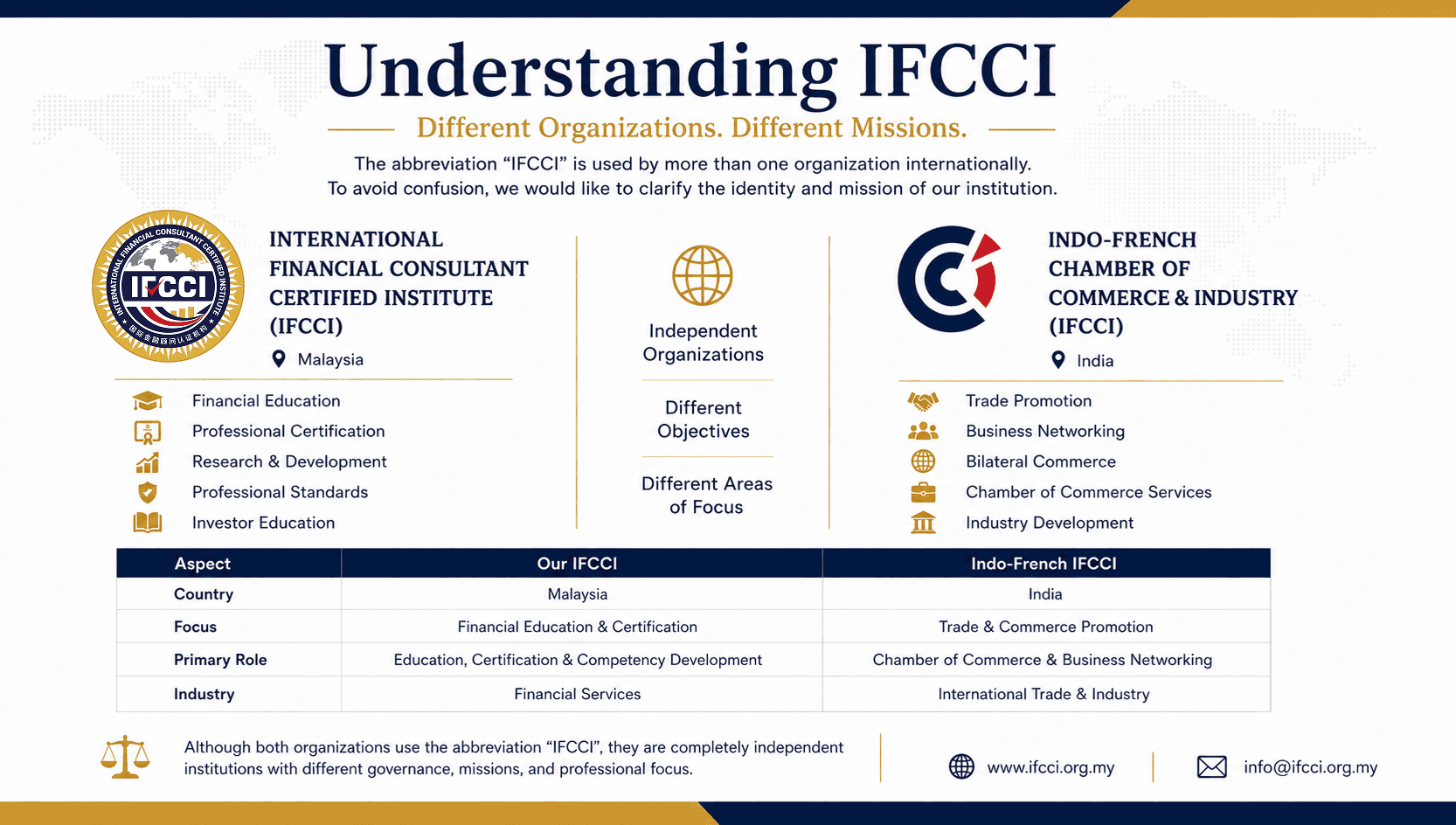
Understanding IFCCI: International Financial Consultant Certified Institute and Other Organizations Using the IFCCI Acronym
27 Jul 2026
Why International Financial Skills Championships Matter in Developing Global Financial Excellence
13 Jul 2026