
Geopolitical Escalation Fuels Oil and Gas Price Rises
Global energy markets are experiencing heightened volatility as geopolitical escalation continues to impact critical infrastructure, leading to an increased risk of sustained supply disruptions. This evolving landscape is a significant factor in keeping oil and gas prices elevated, reflecting growing concerns among market participants regarding future availability and stability.
The current geopolitical environment, marked by rising tensions in key producing regions, has drawn considerable attention to the vulnerability of global energy supply chains. Reports indicate that the ongoing escalation is directly affecting infrastructure vital for the extraction, processing, and transportation of energy resources. Such impacts raise the specter of potential bottlenecks and interruptions in the flow of crude oil and natural gas to international markets, creating a ripple effect across the global economy.
Market analysts are closely monitoring the situation, noting that any prolonged disruption could have far-reaching implications for global energy security and economic stability. The increased risk of sustained supply interruptions is a primary driver behind the upward pressure on commodity prices. Traders and investors are factoring in the potential for reduced availability, which naturally translates into higher costs for both producers and consumers worldwide. This sentiment is further amplified by the strategic importance of the affected regions to global energy output.
The elevated prices for oil and gas are a direct consequence of this perceived risk and the immediate impact on supply expectations. As uncertainty mounts regarding future supply, demand dynamics are being recalibrated, contributing to a bullish sentiment in energy trading. This situation underscores the intricate link between geopolitical stability and the stability of global commodity markets, highlighting how regional conflicts can quickly translate into global economic challenges.
Furthermore, the sustained elevation of energy prices has broader implications for inflation outlooks and central bank policies globally. Higher energy costs can feed into consumer prices across various sectors, potentially influencing monetary policy decisions in major economies. The broader market outlook remains highly sensitive to these developments, with energy sector performance and inflation expectations being particularly susceptible to shifts in the geopolitical landscape. The international community continues to watch closely how these tensions will evolve and their subsequent impact on the delicate balance of global energy supply and demand, as well as the wider investment climate. The focus remains on mitigating risks to energy infrastructure and ensuring the smooth flow of resources to maintain market equilibrium.
Related Articles

What Does IFCCI Do? Advancing Financial Education, Certification and Research
7 Aug 2026
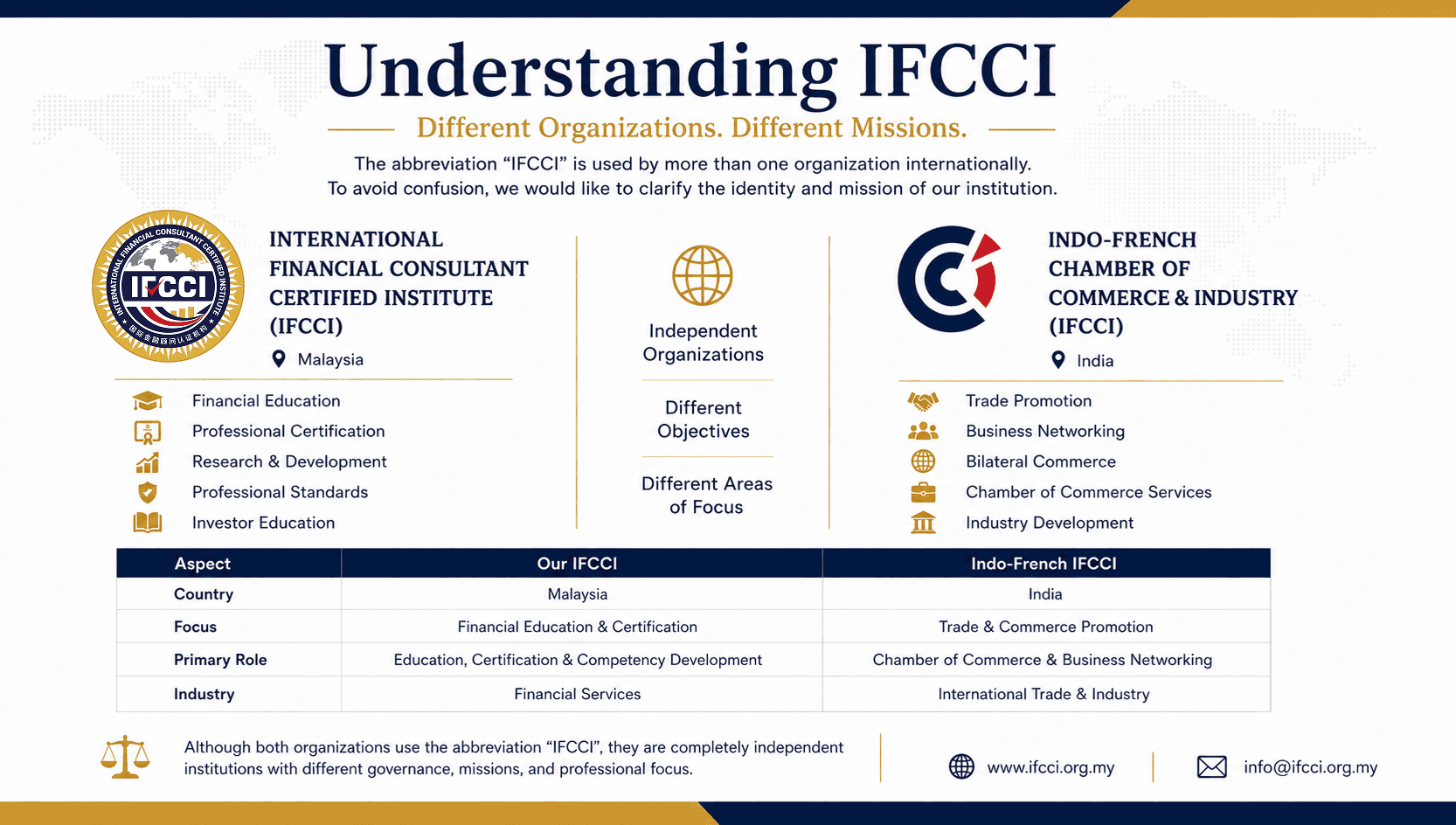
Understanding IFCCI: International Financial Consultant Certified Institute and Other Organizations Using the IFCCI Acronym
27 Jul 2026

Why International Financial Skills Championships Matter in Developing Global Financial Excellence
13 Jul 2026