FTX Seeks to Deny Claims from 49 Countries, Including China: Massive Backlash
Introduction: A Global Legal Storm Rekindled
Nearly three years after its collapse in November 2022, FTX — once the world’s third-largest cryptocurrency exchange — continues to generate global headlines. In its latest legal maneuver, the bankrupt exchange’s restructuring team filed a motion in a Delaware bankruptcy court seeking to deny creditor claims from 49 jurisdictions, including China, Russia, and several African and Southeast Asian nations.
This unprecedented motion triggered a wave of backlash, both online and in financial regulatory circles. For crypto financial advisors and licensed consultants, this move raises urgent questions about cross-border crypto rights, creditor protections, and investor risk.
Which Countries Are Affected — And Why?
According to the filing, FTX is seeking to block claims from countries that fall into one or more of the following categories:
- Crypto-hostile jurisdictions: Nations that had banned cryptocurrency trading or issued blanket prohibitions (e.g., China).
- Sanctioned or high-risk jurisdictions: Countries under OFAC or EU sanctions.
- Poor documentation standards: Jurisdictions where claimants failed to submit legally verifiable documents.
Notable countries in the list include:
- China
- Russia
- Nigeria
- Vietnam
- Algeria
- Iran
- Belarus
This proposed denial could impact tens of thousands of investors, many of whom still await recovery of locked funds from the platform.
Why This Matters for Financial Advisors
For certified financial advisors — especially those dealing with cross-border clients — this case sets a dangerous precedent.
Imagine advising a Chinese investor in Singapore or Malaysia. Despite holding verifiable transaction records, their claim could be denied simply due to their citizenship or domicile — not the merits of their case.
Key implications:
- Increased demand for jurisdiction-aware advisory
- Heightened importance of asset origin transparency
- Need for legal collaboration in crypto recovery efforts
Advisors certified under IFCCI’s Crypto Advisory Program are already trained to identify such jurisdictional risks and help clients navigate recovery pathways, including legal representation.
Backlash from Investors and Legal Experts
Crypto advocacy groups and bankruptcy law experts have voiced immediate concern:
“This is an insult to the global nature of crypto. You can’t promote a borderless asset, then impose borders at bankruptcy,”
— G. Thompson, International Bankruptcy Counsel
Investor groups in Asia and Africa are forming coalitions to contest the motion, citing discrimination, lack of due process, and unequal treatment.
What the Law Says (and Doesn’t)
Under U.S. bankruptcy code, foreign creditors have the right to file claims. However, the debtor (FTX) can challenge them on various grounds — including documentation quality, origin of funds, or jurisdictional risk.
Yet, there is little precedent for blanket exclusions by country, especially on the scale FTX is proposing. Legal scholars warn this could trigger international arbitration or cross-border lawsuits.
Lessons for Investors & Advisors
Whether you’re an investor burned by FTX or an advisor helping clients recover from collapsed platforms, this case offers hard truths:
- Self-custody is essential — even for active traders
- Documentation is king — every on-chain and off-chain record matters
- Jurisdiction matters more than ever — especially in disputes
IFCCI’s Take:
At IFCCI, we urge investors to work only with certified advisors who:
- Understand legal frameworks across jurisdictions
- Can prepare clients for regulatory disputes and asset recovery
- Follow globally accepted standards for crypto asset documentation
How IFCCI Prepares You for Cross-Border Crypto Risks
The IFCCI Crypto License Program includes dedicated modules on:
- International crypto legal frameworks (incl. SC Malaysia, FCA UK)
- Bankruptcy law essentials for crypto holders
- Building crypto asset documentation trails for legal defense
- Preventing exposure to high-risk jurisdictions
Certified professionals gain the tools to advise, protect, and defend client interests in a volatile legal environment.
🔗 Relevant External Sources (with nofollow tags)
- FTX Restructuring Legal Filings
- SC Malaysia Digital Asset Guidelines
- CFA Institute – Crypto Risk Management
- Conclusion
- The collapse of FTX wasn’t just a failure of risk management — it exposed the legal fragility of global crypto investing. As the case evolves, investors and advisors must stay informed, proactive, and — above all — licensed and educated.
- Want to help your clients protect and recover crypto assets legally?
👉 Explore IFCCI’s Crypto Advisory Certification Today
Related Articles

What Does IFCCI Do? Advancing Financial Education, Certification and Research
7 Aug 2026
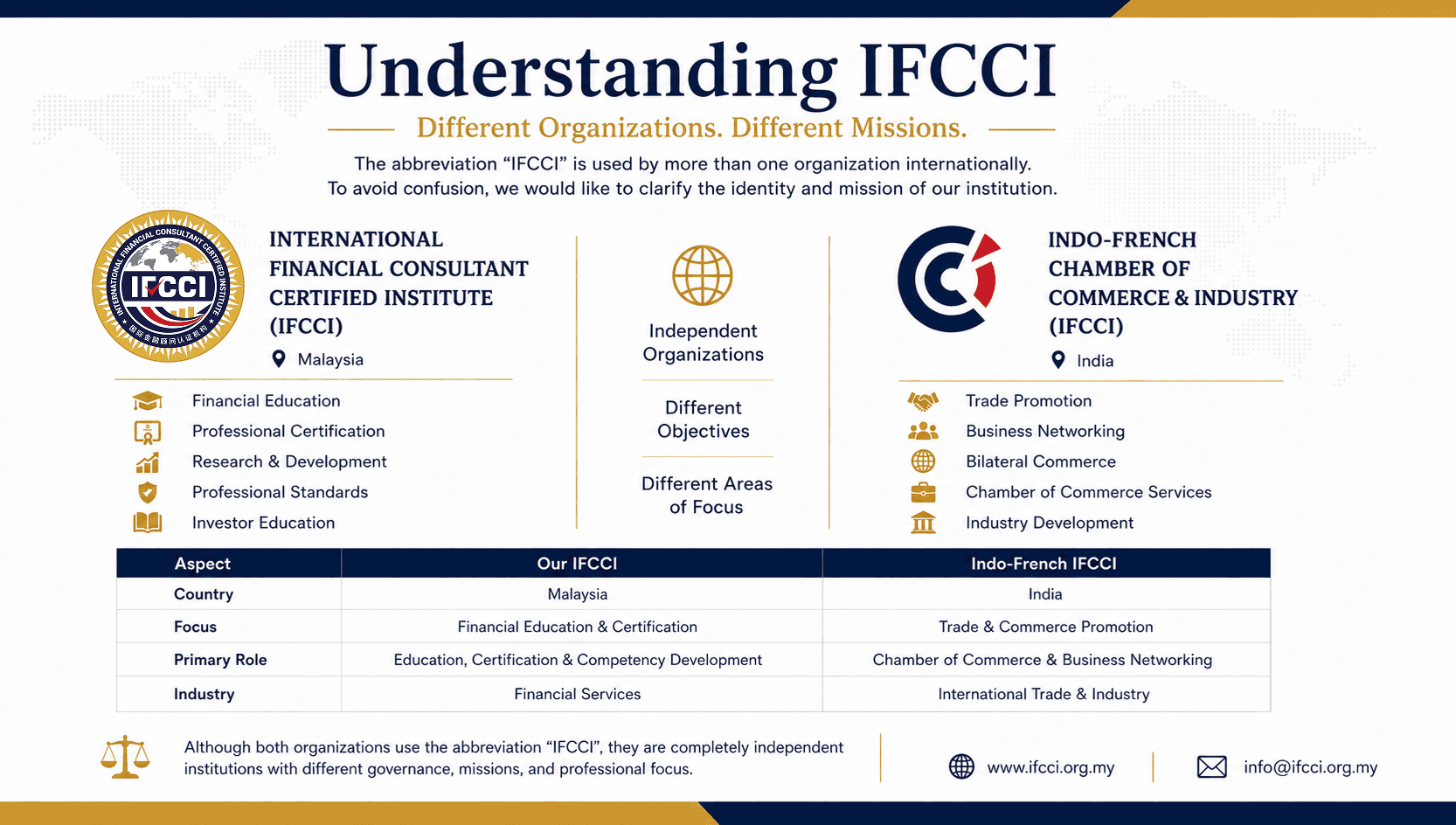
Understanding IFCCI: International Financial Consultant Certified Institute and Other Organizations Using the IFCCI Acronym
27 Jul 2026

Why International Financial Skills Championships Matter in Developing Global Financial Excellence
13 Jul 2026