
From PEPE to YEPE: Inside the Psychology of Meme Coin Mania
Introduction: A Tale of Two Meme Coins
The cryptocurrency landscape never ceases to surprise. When James Wynn, a self-proclaimed crypto strategist with a history of speculative trading, shifted his focus from PEPE—the internet-famous meme token—to a new project dubbed YEPE, market observers immediately took notice.
This move, while seemingly small in the vast ocean of crypto assets, has reignited debates about risk-taking behavior, investor psychology, and the sustainability of meme coin rallies. With billions in trading volume passing through these digital assets monthly, Wynn’s transition embodies both the allure and the danger of chasing volatility.
The Rise of PEPE: Internet Culture Meets Financial Speculation
The PEPE token, launched in April 2023, emerged as a cultural phenomenon that blurred the lines between humor and high-stakes speculation. It followed the footsteps of Dogecoin (DOGE) and Shiba Inu (SHIB) but introduced a more satirical and decentralized movement.
Within months, PEPE surged over 9,000%, drawing in retail traders, influencers, and speculative capital across decentralized exchanges. For many, it represented a symbol of the democratization of finance—anyone could participate, and memes became the new narrative currency.
Yet, beneath this cultural euphoria lay the familiar hallmarks of speculative excess:
- FOMO-driven entries based on social media hype.
- Whale manipulation through concentrated token holdings.
- Volatility cycles detached from intrinsic or technological value.
As IFCCI’s prior Digital Asset Behavior Index (DABI) reports have highlighted, meme coins typically exhibit 10x higher volatility than top-cap assets like BTC or ETH, and their average holding period is less than five days.
Wynn’s Shift to YEPE: An Attempt to Recreate Lightning
James Wynn’s sudden pivot from PEPE to YEPE—a new meme coin launched in late Q3 2025—sparked speculation that he was attempting to “reignite early-PEPE-style momentum”.
YEPE’s branding borrows heavily from its predecessor, but with a new twist: a “community governance layer” promising holders voting rights on marketing and liquidity management. Wynn’s public statement emphasized that “YEPE will fix the flaws that made PEPE unsustainable.”
However, analysts from IFCCI’s Blockchain Strategy Division argue that such claims, while enticing, often lack real governance infrastructure. “Meme coins that overpromise on decentralization while underdelivering on execution tend to implode faster,” said Dr. Alice Koh, IFCCI’s Senior Crypto Policy Advisor.
Indeed, on-chain data suggests that over 60% of YEPE’s total supply remains in a handful of wallets—indicating possible whale concentration and limited organic distribution.
The Psychology of Risk: Why Traders Follow the Meme Wave
To understand Wynn’s behavior, one must analyze the cognitive and emotional forces driving meme coin investment decisions.
IFCCI’s behavioral finance research highlights several recurring psychological patterns in speculative markets:
- The Lottery Effect – Investors perceive meme coins as “cheap tickets” to potential windfalls, similar to gambling behavior.
- Social Proof Bias – Seeing influencers or high-profile traders like Wynn endorsing a token increases perceived legitimacy.
- The Fear of Missing Out (FOMO) – Viral trends on platforms like X (Twitter) or Telegram induce impulsive entry points, often at local tops.
- Reinforcement Loops – Small wins in early trades reinforce risky behavior, leading to higher exposure without proper risk control.
This psychology explains why traders continually cycle from one speculative token to another, hoping to replicate past success stories—despite data showing that only 3% of meme coin traders realize net profits over 12 months (source: IFCCI Digital Speculation Report 2024).
Market Structure: Liquidity Traps and Exit Games
From a structural perspective, meme coin markets are liquidity-driven ecosystems dominated by early entrants.
Key characteristics observed in the YEPE launch phase:
- Initial Liquidity Pools concentrated in decentralized exchanges (DEXs) with low slippage tolerance.
- Aggressive influencer-driven marketing without institutional participation.
- Lack of sustainable tokenomics, with few incentives for long-term holding.
These conditions foster what IFCCI terms a “reflexive liquidity loop”, where price appreciation is driven not by intrinsic growth but by speculative recycling of profits from other tokens.
When large holders begin offloading, this reflexivity collapses rapidly—creating the familiar “pump and dump” trajectory seen in tokens like BONK, PEPE2, and now potentially YEPE.
Regulatory and Ethical Implications
Wynn’s involvement also raises ethical concerns. While not illegal under current frameworks, promoting high-risk assets to uninformed retail participants challenges the integrity of financial education and responsible investing—two pillars central to IFCCI’s mission.
Global regulators, including the U.S. SEC, UK FCA, and Malaysia’s SC, have all warned against the dangers of unregulated token promotion. The EU’s MiCA framework further extends accountability to “crypto-influencers” and trading communities.
IFCCI recommends that investors and educators treat meme coins as behavioral case studies, not long-term investment vehicles.
Broader Market Context: The Meme Coin Cycle
Despite the controversies, meme coins continue to dominate retail attention. The 2025 Q3 IFCCI Crypto Market Sentiment Survey revealed:
- 42% of new retail entrants began trading through meme coins.
- 68% viewed meme tokens as “entry-level crypto exposure.”
- Only 11% understood the underlying smart contract or liquidity mechanics.
This disconnect underscores the need for enhanced financial literacy initiatives, especially in emerging markets where crypto adoption outpaces education.
Strategic Outlook: Can YEPE Sustain Momentum?
While Wynn’s strategy may temporarily boost YEPE’s visibility, long-term sustainability appears limited without:
- Transparent governance and audit mechanisms.
- Broader exchange listings and liquidity depth.
- Real-world utility or staking mechanisms beyond speculative appeal.
Unless these conditions evolve, YEPE risks becoming another short-lived hype cycle, echoing the rise-and-fall patterns seen throughout crypto’s meme coin history.
IFCCI Commentary: Education Before Speculation
The International Financial Consultant Certified Institute (IFCCI) reiterates its stance that financial literacy and structured investment education must precede speculative participation.
“Meme coins can serve as fascinating behavioral experiments,” noted Dr. Raymond Lee, IFCCI’s Director of Financial Literacy Initiatives. “But for most investors, understanding portfolio diversification, risk assessment, and asset correlation provides far greater long-term benefit than chasing viral tokens.”
Through collaborations with global partners, IFCCI aims to advance investor education programs and certification pathways that promote responsible crypto engagement—balancing innovation with prudence.
Conclusion: Lessons from the PEPE–YEPE Transition
James Wynn’s journey from PEPE to YEPE symbolizes both the promise and peril of speculative markets. It highlights how emotion, hype, and digital culture intersect with finance in the blockchain era.
While such moves may capture headlines, the enduring lesson remains clear: Without education, speculation becomes exploitation.
As meme coins continue to evolve, IFCCI remains committed to empowering investors with analytical frameworks, ensuring they navigate digital assets with confidence, competence, and ethical clarity.
Related Articles

What Does IFCCI Do? Advancing Financial Education, Certification and Research
7 Aug 2026
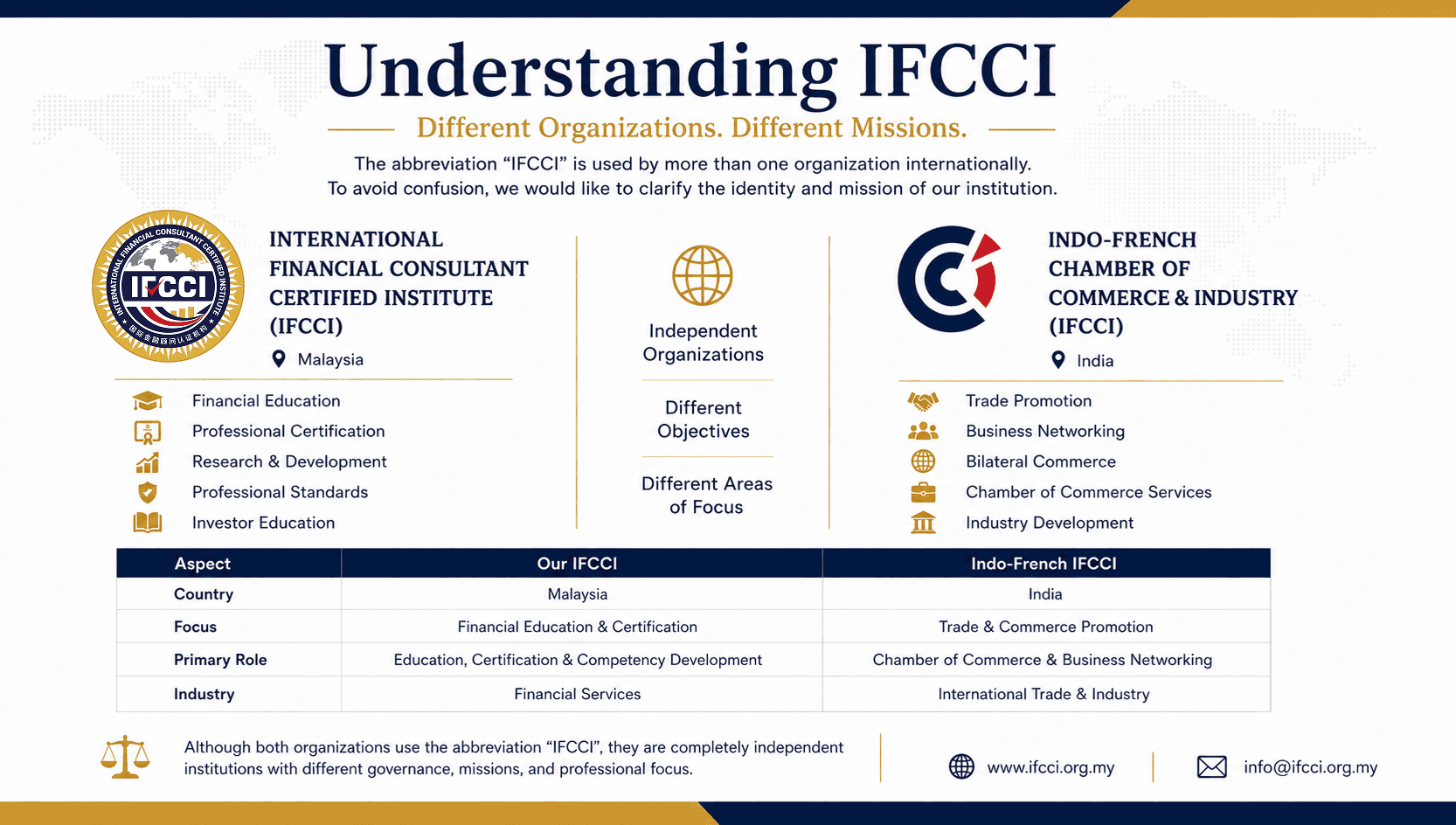
Understanding IFCCI: International Financial Consultant Certified Institute and Other Organizations Using the IFCCI Acronym
27 Jul 2026
Why International Financial Skills Championships Matter in Developing Global Financial Excellence
13 Jul 2026