
🌐 Forex Market vs. Stock Market: Structure & Participants
The foreign exchange market (also known as forex or FX) is the world’s largest decentralized marketplace for trading currencies—boasting over $7 trillion in daily volume. It’s indispensable for international trade and investment.
Let’s compare this with the stock market:
🏦 Centralized Stock Market
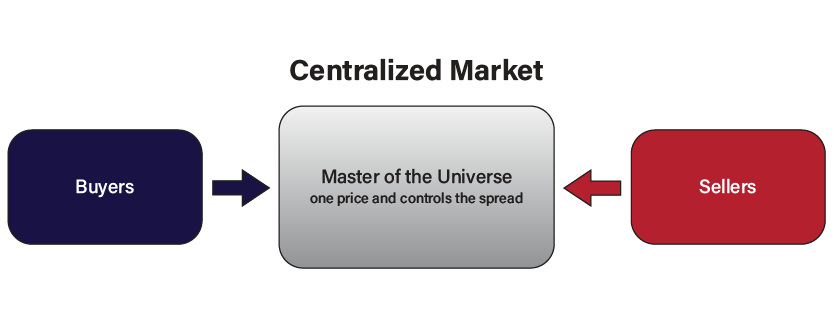
- Operates via a single exchange (e.g., NYSE).
- One specialist controls pricing.
- If sellers exceed buyers, specialists can widen spreads, increasing costs for retail traders.
- This centralized model can lead to quote manipulation.
🌐 Decentralized Forex Market
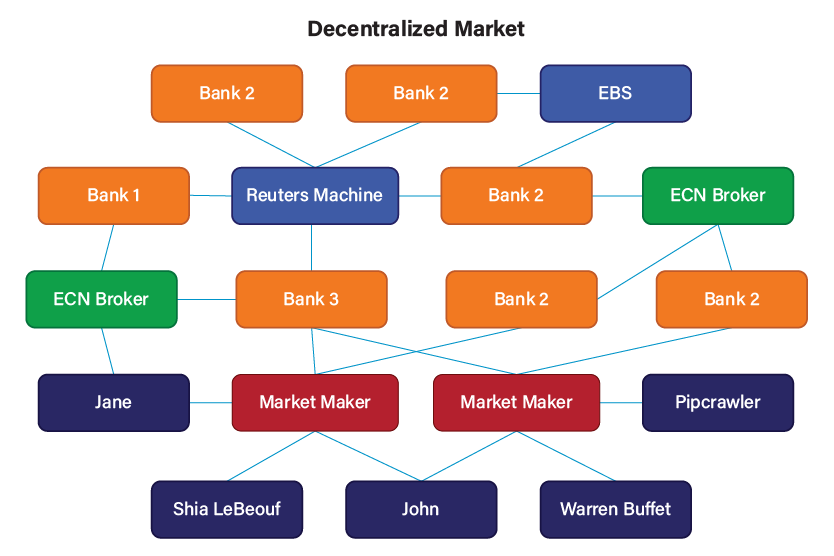
- No central exchange—prices come from multiple dealers.
- Fierce competition means competitive pricing—you often get the best deal.
- You can trade from anywhere, anytime, much like searching for rare Air Jordans online.
📊 The Forex Hierarchy: The FX Ladder
Though decentralized, the FX market still has a hierarchy:
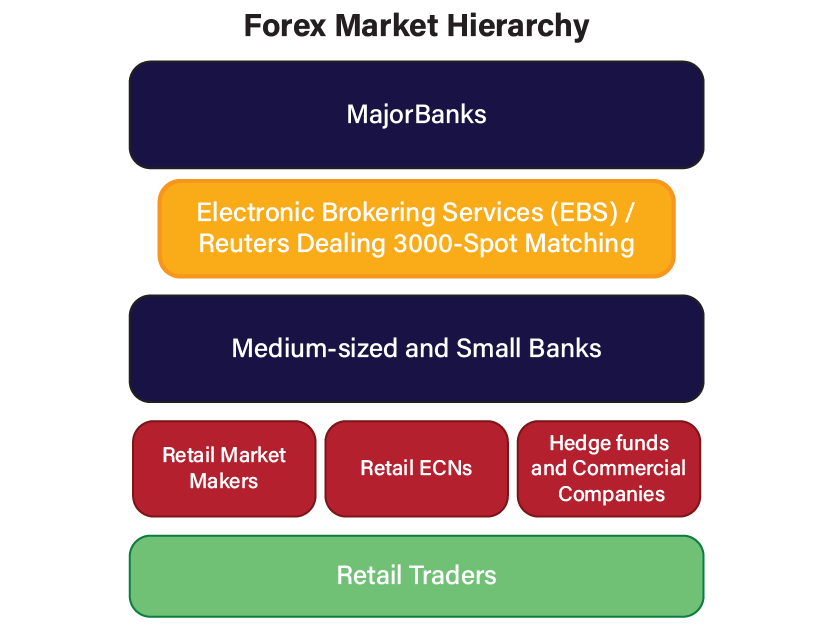
- Interbank Market
- Top-tier banks trade billions directly or via platforms like EBS and Refinitiv, which provide core pricing.
- Liquidity varies: EBS tends to be stronger in EUR/USD, USD/JPY, etc., while Refinitiv handles more GBP/USD, AUD/USD, and NZD/USD trades.
- Institutional & Corporate Traders
- Includes hedge funds, multinationals, and commercial banks.
- Trade through interbank with slightly wider spreads.
- Retail Market
- Individual traders using online brokers.
- Enjoy high leverage but pay higher spreads than institutional players—yet finally can play with the big dogs using just a small amount of capital.
Related Articles

Insight
What Does IFCCI Do? Advancing Financial Education, Certification and Research
7 Aug 2026
Insight
Understanding IFCCI: International Financial Consultant Certified Institute and Other Organizations Using the IFCCI Acronym
27 Jul 2026
Insight
Why International Financial Skills Championships Matter in Developing Global Financial Excellence
13 Jul 2026