
Where Does Forex Trading Happen?
Most forex trading takes place in the interbank market—a decentralized network where banks and financial institutions trade currencies directly with one another.
Unlike centralized exchanges such as the NYSE or LSE, the forex market has no physical location and no single governing exchange. Instead, it’s an over-the-counter (OTC) market, operating electronically 24 hours a day across global financial centers.
This means currency trading can happen anywhere in the world, as long as there’s internet access.

The Largest Market on Earth
The forex market is the world’s largest and most active financial market, with trillions of dollars traded daily by individuals, institutions, corporations, and governments.
In an OTC environment, participants have the freedom to choose whom they trade with, based on pricing, trading conditions, and counterparties’ reputations.
Because every transaction involves two currencies, their combined percentages add up to 200%. Here’s how the most traded currencies stack up:
- U.S. Dollar (USD) – 84.9%
- Euro (EUR) – 39.1%
- Japanese Yen (JPY) – 19.0%

Major currencies dominate the market—especially the U.S. dollar, which plays a central role in global forex activity.
Why the U.S. Dollar Reigns Supreme

The U.S. dollar (USD) is the most important and most traded currency in the world. It’s involved in about 75% of all forex trades and is part of every major currency pair.
There are several reasons for the USD’s dominance:
- The U.S. has the world’s largest economy
- USD is the global reserve currency
- U.S. financial markets are the largest and most liquid
- It has a stable political system and is the world’s top military power
- Many global commodities (like oil) are priced in USD
- Nearly half of all international loans and bonds are issued in dollars
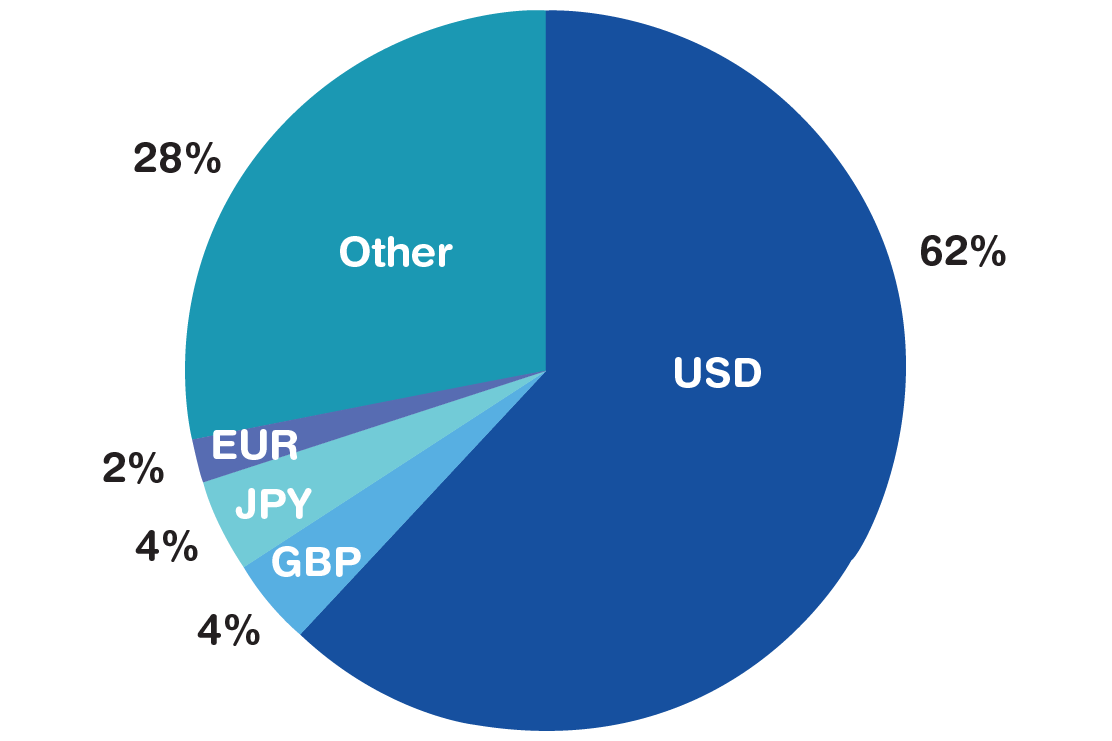
According to the IMF, the USD makes up roughly 62% of global foreign exchange reserves, highlighting how dependent the world is on the U.S. dollar for trade, investments, and reserves.
The Role of Speculation in Forex
The forex market serves several functions:
- Facilitating cross-border payments
- Providing short-term credit for international trade
- Hedging against currency risk
- Speculating on price movements
While some forex volume supports global commerce, over 90% of trading activity is speculative. Most traders aim to profit from short-term fluctuations in exchange rates.
This heavy trading activity contributes to extremely high liquidity—meaning traders can enter and exit large positions with minimal impact on price.

However, market depth can still vary depending on the currency pair and the time of day. Understanding trading sessions and market hours is key for short-term traders.
What’s Next?
Now that you understand where forex trading happens and why the U.S. dollar is so important, you’re ready to explore how individuals trade in this market—which we’ll cover next in our forex learning journey.
Related Articles

What Does IFCCI Do? Advancing Financial Education, Certification and Research
7 Aug 2026
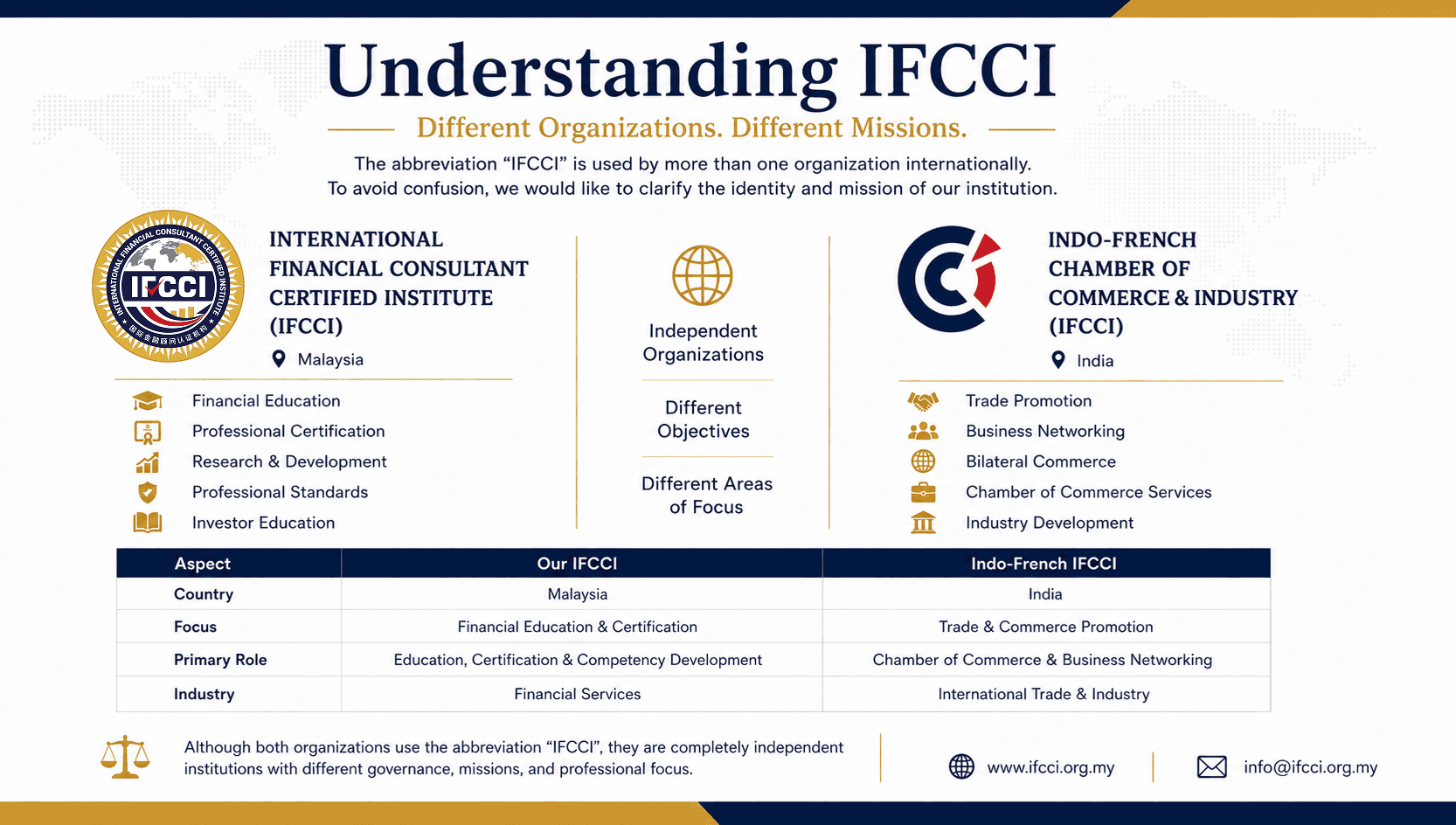
Understanding IFCCI: International Financial Consultant Certified Institute and Other Organizations Using the IFCCI Acronym
27 Jul 2026
Why International Financial Skills Championships Matter in Developing Global Financial Excellence
13 Jul 2026