
Financial Older Adults $81.5B in 2024 High-Value Losses Rise
Fraud Losses Among Older Adults Reach Alarming Levels
Financial fraud targeting older adults surged to unprecedented levels in 2024, with estimated losses reaching as much as $81.5 billion, according to figures cited by the U.S. Federal Trade Commission (FTC). The data underscore a sharp escalation not only in total losses, but also in the severity of individual cases, with a growing share of victims losing $100,000 or more.
The findings highlight a deepening vulnerability among older populations as fraudsters increasingly deploy sophisticated tactics that exploit digital platforms, trust-based relationships, and complex financial products.
A Shift Toward High-Value Losses
While financial fraud has long affected older adults, regulators and consumer advocates note a worrying structural shift:
- More victims are suffering catastrophic losses, often wiping out retirement savings accumulated over decades.
- Fraud incidents increasingly involve six-figure sums, reflecting both the financial capacity of older adults and the sophistication of scams.
- Repeat victimisation is rising, as fraudsters target individuals who have already been compromised.
According to analysts, this shift suggests that fraud is no longer confined to small-scale scams, but has evolved into systematic financial exploitation.
Common Fraud Schemes Targeting Older Adults
The FTC estimates point to several dominant fraud categories affecting older consumers in 2024:
1. Investment Scams
Fake investment opportunities—often tied to crypto assets, commodities, or private funds—remain the single largest source of losses. These schemes typically promise stable returns, capital protection, or insider access.
2. Impersonation and Authority Fraud
Scammers posing as government officials, financial institutions, or trusted professionals exploit fear and urgency to extract funds.
3. Romance and Relationship Scams
Fraudsters establish long-term emotional relationships before manipulating victims into transferring large sums, often across multiple transactions.
4. Tech Support and Account Takeover Fraud
Fake security alerts and account compromise claims trick victims into granting access or transferring funds to “secure” accounts controlled by criminals.
Why Older Adults Are Increasingly Targeted
Experts cite several structural factors driving the rise in fraud losses among older adults:
- Higher asset concentration among retirees and pre-retirees
- Lower digital literacy relative to younger cohorts
- Social isolation, which reduces opportunities for third-party intervention
- Trust-based decision-making, particularly toward perceived authority figures
Combined, these factors create an environment where fraudsters can operate with greater success and lower resistance.
Broader Economic and Social Consequences
The surge in fraud losses has implications beyond individual victims:
- Retirement insecurity increases reliance on public assistance and family support.
- Mental health impacts, including stress, depression, and loss of independence, are common among victims.
- Financial institutions face higher compliance and remediation costs, particularly in disputed transactions.
Consumer advocates warn that unchecked fraud trends could undermine confidence in digital financial systems, particularly among older populations.
Regulatory and Policy Response
The FTC and other authorities have increased monitoring and public awareness efforts, but enforcement challenges remain. Cross-border fraud, anonymous payment channels, and rapid fund transfers complicate recovery and prosecution.
Policy discussions increasingly focus on:
- Mandatory fraud-prevention controls at financial institutions
- Enhanced cooling-off periods for large or unusual transfers
- Stronger information-sharing mechanisms across agencies and platforms
- Education initiatives tailored specifically to older adults
IFCCI Assessment
The IFCCI Research Division views the FTC’s estimates as a systemic warning signal rather than a cyclical anomaly.
Key IFCCI conclusions:
- Financial fraud against older adults is becoming more severe, not just more frequent
- Prevention must move upstream, integrating education, institutional safeguards, and early-warning systems
- Financial advisors and intermediaries play a critical role in identifying behavioural red flags
- Regulatory frameworks will likely tighten around consumer protection and transaction monitoring
IFCCI stresses that combating fraud requires coordinated action across regulators, financial institutions, technology platforms, and education bodies.
Outlook
Absent structural intervention, analysts warn that fraud losses among older adults could continue to rise as scams grow more personalised and technologically advanced. The trend toward high-value losses suggests that early detection and intervention will be central to protecting financial security in ageing populations.
For policymakers and financial professionals alike, the 2024 data serve as a stark reminder: financial fraud is no longer a peripheral consumer issue—it is a major economic and social risk.
Related Articles

What Does IFCCI Do? Advancing Financial Education, Certification and Research
7 Aug 2026
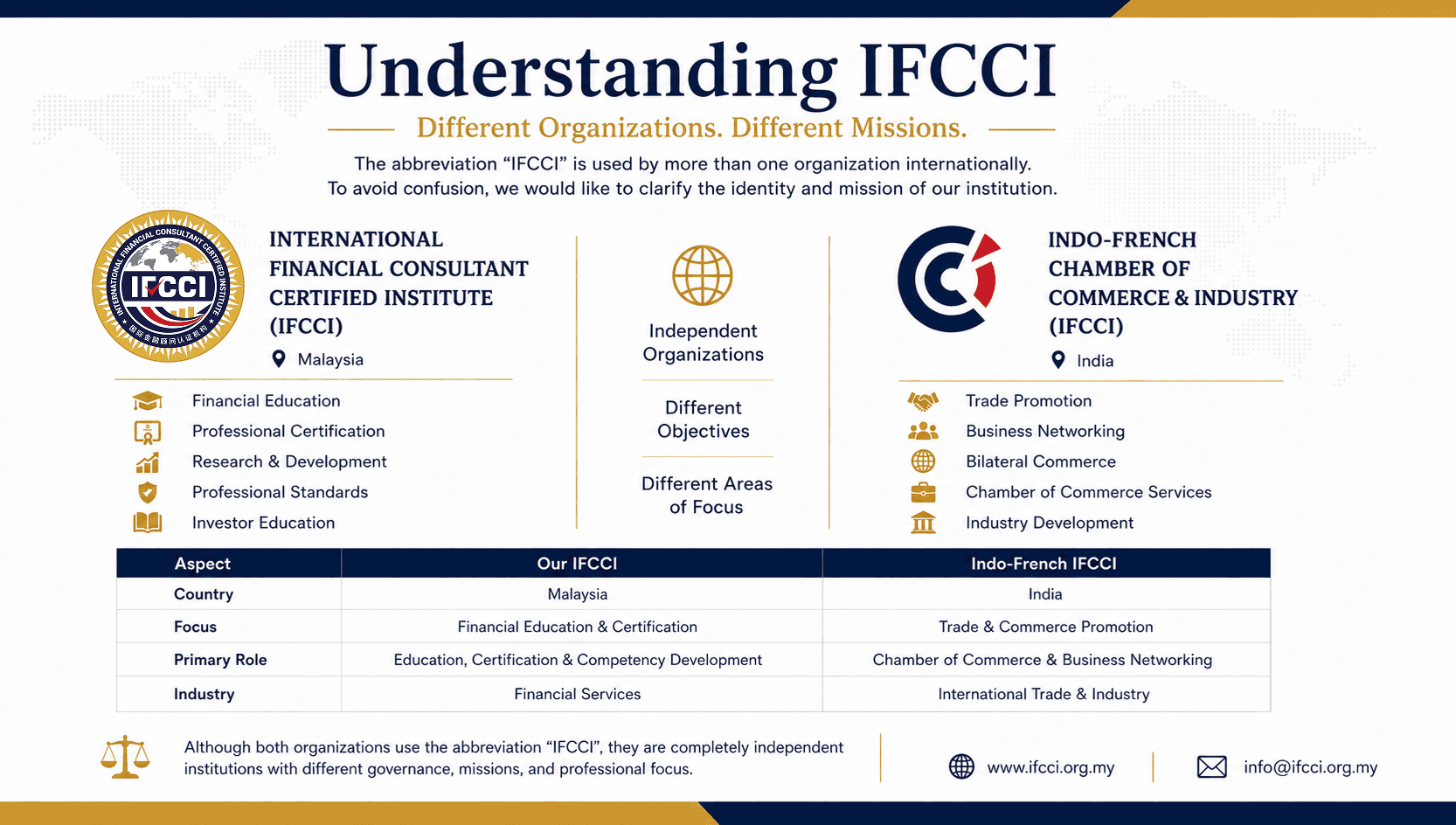
Understanding IFCCI: International Financial Consultant Certified Institute and Other Organizations Using the IFCCI Acronym
27 Jul 2026

Why International Financial Skills Championships Matter in Developing Global Financial Excellence
13 Jul 2026