
Fed’s Hammack Signals Rate Hold as Policy Patienc
Overview
A senior Federal Reserve official, Hammack, has signalled that U.S. interest rates may remain unchanged for an extended period, according to a report citing recent remarks and policy discussions. The comments reinforce the Federal Reserve’s increasingly patient stance as policymakers assess inflation dynamics, labour-market conditions, and the cumulative impact of previous tightening.
The signal suggests that the central bank is comfortable maintaining a restrictive policy setting while awaiting clearer evidence that inflation is sustainably converging toward its target.
Policy Patience Comes into Focus
Hammack’s remarks underscore a growing consensus within the Federal Reserve that the next phase of policy will prioritise duration over direction. After one of the most aggressive tightening cycles in decades, policymakers appear focused on allowing existing financial conditions to continue restraining demand.
Key themes emerging from the report include:
- Confidence that policy is already sufficiently restrictive
- Recognition of long and variable lags in monetary transmission
- Caution against premature easing that could reignite inflation
The emphasis on holding rates steady for months reflects a deliberate effort to avoid policy whiplash.
Inflation Progress Acknowledged, Risks Remain
While inflation has moderated from its peak, Hammack reportedly stressed that progress remains uneven. Core services inflation, wage growth, and shelter-related pressures continue to warrant close monitoring.
The Federal Reserve’s internal assessment appears to recognise:
- Disinflation momentum in goods prices
- Stickiness in services inflation
- Gradual cooling in labour demand rather than abrupt weakness
This backdrop supports a “wait-and-see” approach rather than immediate policy recalibration.
Labour Market Still a Key Anchor
The U.S. labour market remains resilient, with job growth moderating but not collapsing. Hammack’s signal suggests that the Fed views current employment conditions as consistent with holding rates steady rather than reacting to short-term fluctuations.
Policymakers remain attentive to:
- Wage growth trends
- Labour-force participation
- Hiring and quit rates
- Signs of broader labour-market slack
As long as employment conditions remain stable, the case for maintaining current rates strengthens.
Financial Conditions and Market Expectations
Financial conditions have eased modestly in recent months, driven by lower volatility and improving risk sentiment. Hammack’s guidance may serve as a counterbalance, reinforcing that policy restraint remains firmly in place.
The report indicates that the Fed is wary of:
- Markets pricing in premature rate cuts
- Excessive easing in financial conditions
- Asset valuations detaching from fundamentals
By signalling a prolonged rate hold, the Fed aims to anchor expectations and preserve policy credibility.
Implications for Rate Cuts
Although Hammack’s comments do not rule out future rate cuts, they suggest that any easing is unlikely in the near term. Policymakers appear focused on ensuring inflation is decisively on track before considering a shift.
This implies:
- Rate cuts are conditional, not calendar-based
- Policy decisions will remain data-dependent
- Downside economic risks must be clearly material
Markets may need to recalibrate expectations for the timing and pace of any eventual easing cycle.
IFCCI Assessment: Stability Is the Policy Objective
The IFCCI Research Division assesses that Hammack’s signal aligns with a broader Federal Reserve strategy centred on policy stability and credibility.
IFCCI’s key conclusions:
- The Fed is comfortable with current restrictiveness
- Inflation risks remain asymmetric to the upside
- Policy patience reduces the risk of stop-start cycles
- Communication is being used to manage expectations proactively
IFCCI expects the Federal Reserve to maintain its current policy rate for an extended period, barring a material deterioration in economic conditions or a sharp acceleration in disinflation.
Conclusion
Hammack’s indication that interest rates may remain unchanged for months reinforces the Federal Reserve’s commitment to patience, discipline, and data dependence. After an aggressive tightening cycle, policymakers appear determined to let policy work through the economy before contemplating the next move.
For markets, the message is clear: the era of rapid policy shifts has given way to a phase defined by stability, scrutiny, and measured decision-making.
Related Articles

What Does IFCCI Do? Advancing Financial Education, Certification and Research
7 Aug 2026
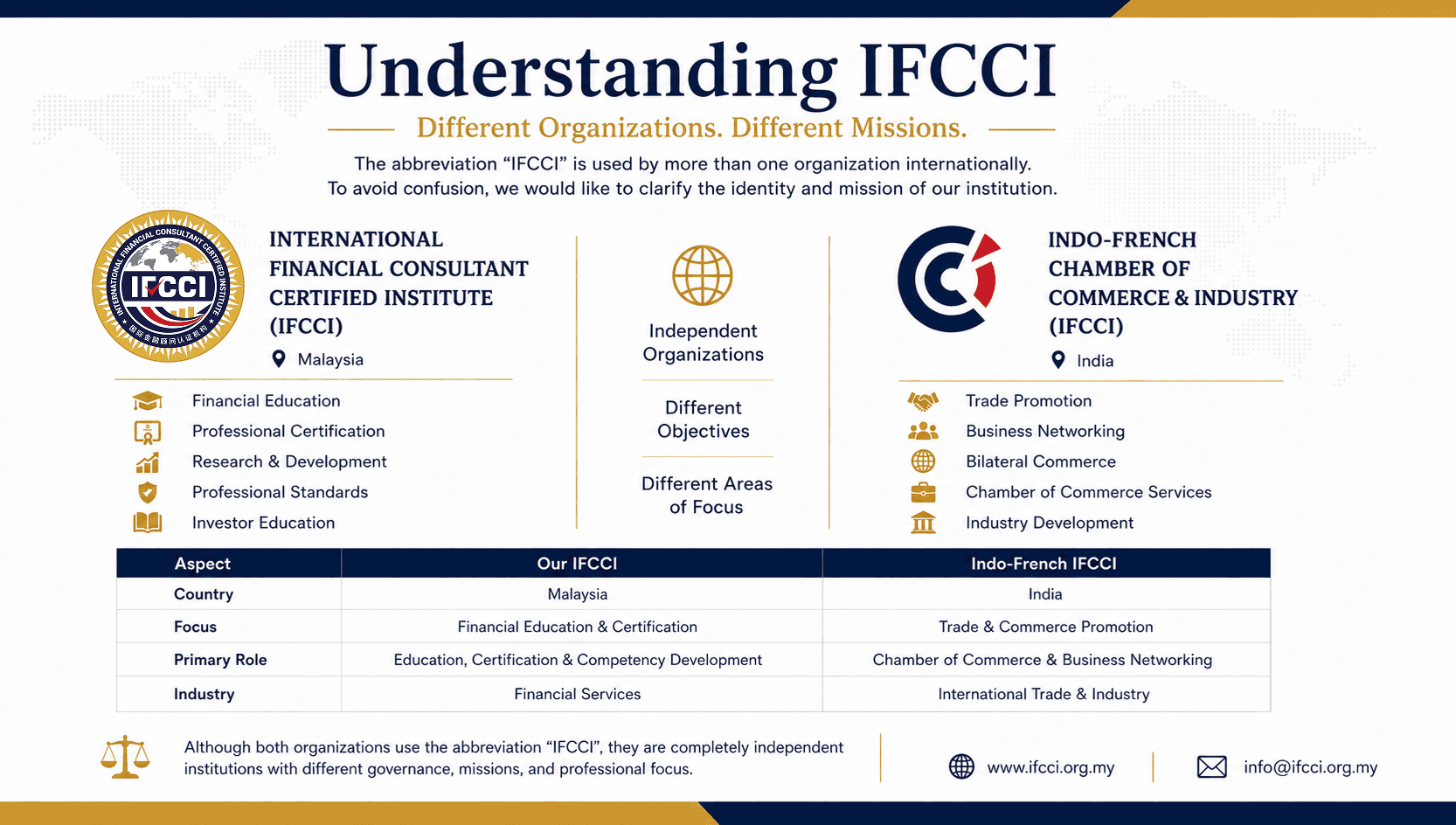
Understanding IFCCI: International Financial Consultant Certified Institute and Other Organizations Using the IFCCI Acronym
27 Jul 2026

Why International Financial Skills Championships Matter in Developing Global Financial Excellence
13 Jul 2026