Fed, FDIC, OCC Issue Clarity on How Banks Can Handle Your Crypto Assets
Introduction
In a joint statement that could reshape how financial institutions manage digital assets, the U.S. Federal Reserve (Fed), Federal Deposit Insurance Corporation (FDIC), and Office of the Comptroller of the Currency (OCC) released coordinated guidance on crypto asset custody and banking operations.
As the demand for crypto-related services among banking clients grows, U.S. regulators are stepping in to provide clear frameworks around:
- Custodial responsibilities
- Risk management protocols
- Regulatory approval processes
This IFCCI report breaks down what this means for the crypto industry, consumers, and the future of compliant digital asset custody in the United States and beyond.
The Key Takeaways from the Fed-FDIC-OCC Guidance
1. Crypto Custody = Banking Activity
The joint statement clearly designates crypto custody—especially involving private keys—as a regulated banking function. That means:
- Banks must notify their regulators before engaging in crypto custody.
- They must demonstrate adequate systems for security, segregation of assets, and internal controls.
🔍 “The holding of cryptographic keys or enabling the transfer of digital assets may constitute a banking activity requiring pre-approval.” — Federal Reserve Memo, July 2025
2. Risk Management Frameworks Are Mandatory
Banks must now establish a formal risk management framework before entering the crypto space. This includes:
- Liquidity analysis for volatile crypto markets
- Cybersecurity controls
- AML/CFT compliance aligned with FinCEN & FATF standards
- Stress-testing models for crypto-linked deposit outflows
3. Capital & Accounting Treatment Still Under Review
While the guidance clarifies operational compliance, it acknowledges that capital adequacy and accounting standards for crypto assets remain unsettled, pending updates from:
- Basel Committee on Banking Supervision (BCBS)
- Financial Accounting Standards Board (FASB)
For now, banks are expected to apply conservative treatment and consult their regulators.
How This Affects Financial Institutions
📌 If you’re a U.S. bank:
- You must submit notice to your primary federal regulator before offering crypto custody or settlement services.
- The regulator may require formal approval, especially if you’re engaging with stablecoins or smart contracts.
📌 If you’re a fintech or digital custodian:
- Partnering with chartered banks may become more difficult unless you’re operating under dual compliance frameworks.
- You will need to map your custody process to FDIC/Fed/OCC guidelines for B2B collaborations.
What This Means for Crypto Users
For everyday users and crypto holders, this is good news with caution:
✅ Increased safety: Custody providers will need to meet banking-grade security
✅ Regulatory clarity: Consumers know who is licensed and who isn’t
⚠️ Higher barriers: Fewer banks may offer services due to stricter entry points
💡 Tip from IFCCI-certified consultants: Choose custodians that disclose their regulatory status and follow guidance from FDIC, OCC, or equivalent oversight.
Implications for International Markets
While this is a U.S.-centric policy, the implications ripple globally:
- Singapore’s MAS and UK’s FCA are expected to mirror similar frameworks in Q4 2025.
- Emerging markets (e.g., Malaysia, Kazakhstan) may integrate these standards into crypto banking sandboxes.
IFCCI Certification Relevance
With regulatory complexity rising, IFCCI recommends the following certifications:
1. Crypto Advisory & Custody Certification
Learn the technical, legal, and compliance standards for advising on regulated crypto custody models.
2. Risk Management in Blockchain Finance
Understand risk models, regulator audits, and stress-testing for digital asset custodianship.
Expert Commentary
“This marks the beginning of crypto becoming a first-class financial product. But the doors won’t open without institutional-grade controls.”
— Nathan Lau, IFCCI Digital Finance Research Fellow
“For professionals, this is a signal: If you’re advising banks or startups, you better be trained in both crypto tech and regulatory frameworks.”
— Aisha Rahman, IFCCI Master Coach, Singapore
Conclusion: The Era of Compliant Crypto Banking Begins
The Fed, FDIC, and OCC’s unified stance on crypto custody signals a shift from ambiguity to accountability.
This is not a ban—but a challenge to banks to meet the high bar of digital asset risk management. It sets the stage for:
- Safer crypto banking
- Reduced fraud risk
- Global harmonization of custody rules
At IFCCI, we believe proper certification and understanding of the evolving frameworks will define the success of future crypto professionals.
Related Articles

What Does IFCCI Do? Advancing Financial Education, Certification and Research
7 Aug 2026
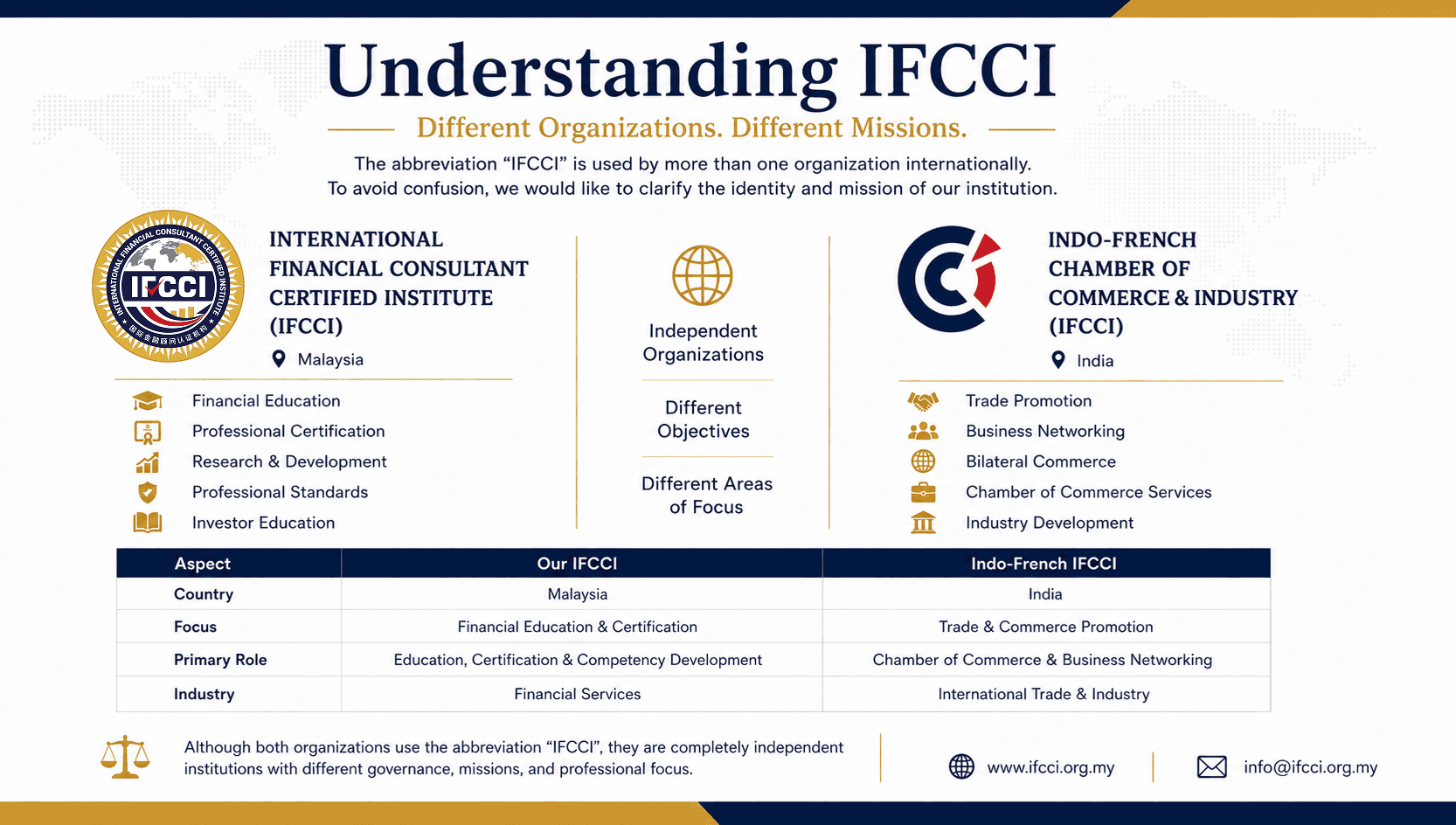
Understanding IFCCI: International Financial Consultant Certified Institute and Other Organizations Using the IFCCI Acronym
27 Jul 2026

Why International Financial Skills Championships Matter in Developing Global Financial Excellence
13 Jul 2026