
Eurozone Output Growth Eases as Export Demand Softens
Eurozone factory output growth slows in November as new orders fall
Data verified and updated as of November 2025
Eurozone manufacturing output expanded at a slower pace in November, with a renewed contraction in new orders signalling that the bloc’s industrial recovery remains fragile despite easing supply-chain disruptions and moderating input costs.
Latest survey data from regional purchasing managers indicated that factory production continued to grow modestly across the currency bloc. However, the momentum weakened compared with October, as soft external demand and cautious domestic spending weighed on order pipelines.
Analysts noted that manufacturers across Germany, France, Italy and Spain reported subdued new business flows, reflecting persistent hesitancy among clients amid elevated interest rates and an uncertain global economic backdrop. Export demand also softened, particularly in machinery, intermediate goods and electronics, as global orders from Asia and North America slowed.
Production growth was primarily supported by backlog clearance and incremental improvements in delivery times, rather than strong underlying demand. Several firms also reported scaling back output expectations for early 2026, citing weaker visibility on future orders.
Input cost pressures continued to ease in November, helping stabilise profit margins. However, firms remained cautious about increasing inventories, opting instead for leaner stock management strategies to mitigate volatility in forward demand.
Labour market conditions within the sector were mixed. While some producers maintained staffing levels to prepare for potential demand recovery, others reported selective workforce reductions to align with reduced workloads.
Economists suggested that unless new orders stabilise in the coming months, the eurozone’s manufacturing sector may struggle to sustain positive growth into the first quarter of 2026. The overall industrial outlook remains dependent on global trade conditions, energy prices, and the expected monetary policy path of the European Central Bank.
Related Articles

What Does IFCCI Do? Advancing Financial Education, Certification and Research
7 Aug 2026
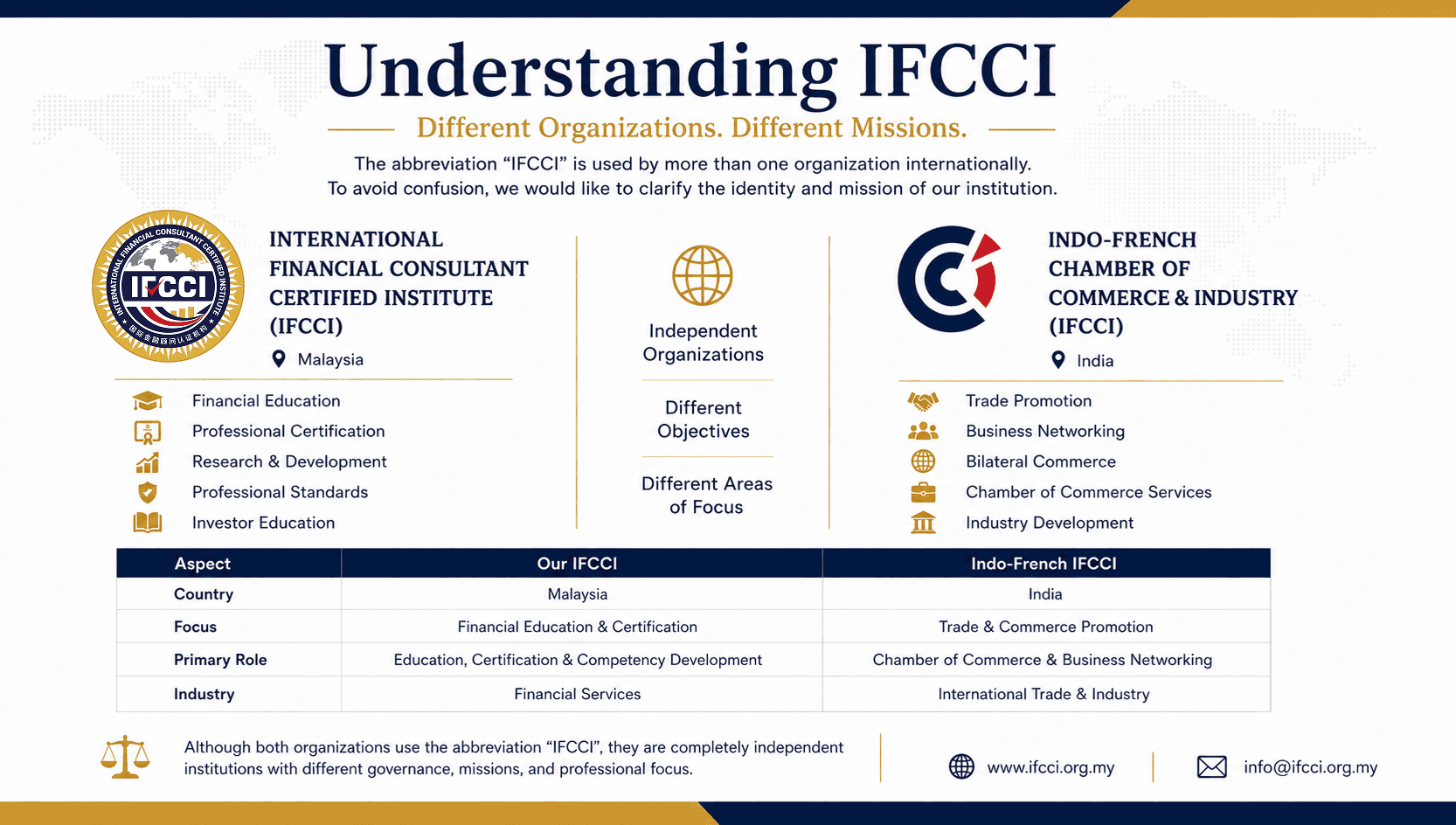
Understanding IFCCI: International Financial Consultant Certified Institute and Other Organizations Using the IFCCI Acronym
27 Jul 2026

Why International Financial Skills Championships Matter in Developing Global Financial Excellence
13 Jul 2026