
Eurozone outlook 2026: Resilience amidst headwinds
Executive Summary
As the euro area moves into 2026, the economic narrative is shifting from crisis management to controlled resilience. While growth remains subdued and structural headwinds persist, the region has demonstrated a growing capacity to absorb shocks without tipping into recession.
Inflation has moderated significantly from its post-pandemic peaks, financial conditions have stabilised, and labour markets remain comparatively robust. However, the outlook is complicated by tight fiscal constraints, uneven domestic demand, geopolitical uncertainty, and global trade fragmentation.
The eurozone in 2026 is not poised for rapid expansion—but neither is it facing imminent contraction.
Growth Outlook: Slow but Stable Expansion
Economic growth across the euro area is expected to remain modest but positive in 2026. The region continues to grapple with weak productivity growth and constrained investment, yet avoids recession due to several stabilising factors:
- Strong employment levels supporting household income
- Gradual recovery in real wages as inflation eases
- Resilient services-sector activity
- Continued public-sector investment linked to green and digital transitions
Southern European economies are expected to outperform the bloc average, supported by tourism, EU-linked investment flows, and improving fiscal execution. In contrast, export-heavy economies face greater exposure to global demand softness.
Inflation Dynamics: Progress Without Complacency
Inflation is expected to remain closer to target, though risks remain asymmetric.
Key trends shaping inflation in 2026 include:
- Cooling goods inflation due to normalised supply chains
- Persistent services inflation driven by wage growth
- Energy-price volatility linked to geopolitical risks
- Gradual pass-through of higher labour costs
While headline inflation pressures have eased, core inflation remains sticky, requiring policymakers to maintain vigilance. The inflation battle is no longer acute, but it is not yet fully won.
ECB Policy: Cautious Flexibility
The European Central Bank enters 2026 with greater policy optionality than in prior years. Having moved away from emergency tightening, the ECB is expected to adopt a data-dependent, incremental approach.
Policy priorities include:
- Ensuring inflation expectations remain anchored
- Avoiding premature easing that could reignite price pressures
- Supporting financial stability amid tightening fiscal conditions
Rather than aggressive rate moves, the ECB is likely to rely on communication and balance-sheet management to fine-tune financial conditions.
Labour Markets: A Pillar of Stability
Labour markets continue to provide a critical buffer against economic weakness.
Key characteristics include:
- Historically low unemployment rates
- Rising participation across several member states
- Continued demand in services, healthcare, and technology sectors
However, labour shortages and demographic pressures remain long-term constraints, limiting potential growth and complicating productivity gains.
Fiscal Constraints and Policy Divergence
One of the defining challenges for 2026 is fiscal fragmentation.
With the reinstatement of EU fiscal rules, governments face difficult trade-offs between:
- Supporting growth
- Maintaining debt sustainability
- Funding structural transitions
Countries with high debt burdens face tighter policy space, while fiscally stronger economies retain greater flexibility. This divergence risks amplifying uneven growth across the bloc.
External Headwinds: Trade and Geopolitics
The eurozone remains highly exposed to global developments.
Key external risks include:
- Weakening global trade volumes
- Ongoing geopolitical conflicts
- Strategic decoupling in technology and supply chains
- Exchange-rate volatility
Export-oriented sectors, particularly manufacturing, remain vulnerable to shifts in external demand, reinforcing the need for domestic demand support.
Structural Transitions: Long-Term Support, Short-Term Frictions
Green transition and digitalisation remain central to Europe’s long-term competitiveness. In the short term, however, these transitions introduce adjustment costs:
- Higher capital expenditure requirements
- Regulatory complexity
- Skills mismatches
Over time, these investments are expected to enhance productivity, but near-term benefits remain uneven.
Financial Conditions and Market Implications
Financial markets in 2026 are likely to reflect range-bound dynamics:
- Sovereign spreads remain contained but sensitive
- Equity performance diverges by sector and geography
- Credit conditions remain selective
Investor focus continues to favour balance-sheet strength, pricing power, and exposure to structural growth themes.
IFCCI Assessment: Stability Is the New Strength
The IFCCI Research Division assesses that the eurozone’s defining characteristic in 2026 will be durability rather than dynamism.
Key conclusions:
- The region has developed stronger shock-absorption mechanisms
- Policy coordination, while imperfect, is more disciplined
- Structural vulnerabilities remain but are better understood
While growth will likely underperform more dynamic economies, the eurozone’s ability to avoid extremes—both overheating and collapse—represents a form of strategic resilience.
Conclusion
The eurozone enters 2026 facing undeniable headwinds, yet with a steadier footing than in recent years. Inflation is contained, labour markets are resilient, and policy frameworks are more predictable.
The challenge ahead is not survival, but execution—translating stability into sustainable, long-term growth without sacrificing fiscal and monetary credibility.
In a fragmented global economy, resilience itself has become a competitive asset.
Related Articles

What Does IFCCI Do? Advancing Financial Education, Certification and Research
7 Aug 2026
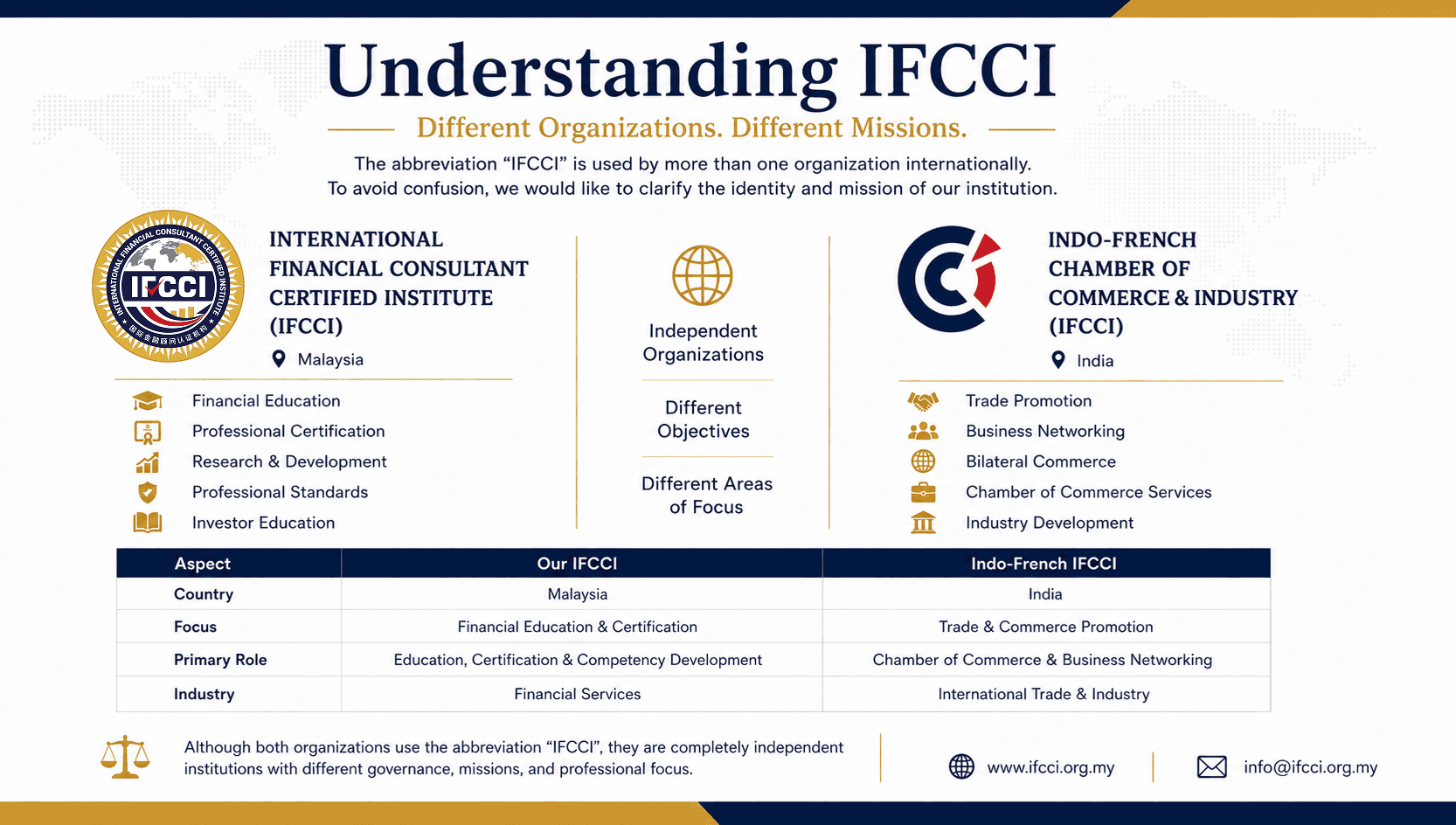
Understanding IFCCI: International Financial Consultant Certified Institute and Other Organizations Using the IFCCI Acronym
27 Jul 2026

Why International Financial Skills Championships Matter in Developing Global Financial Excellence
13 Jul 2026