
Euro Area Sees Modest Q3 Growth with Employment Up 0.1%
Global Review — Modest Growth, Persisting Fragility
New preliminary data from Eurostat indicate that the euro-area (EA) economy expanded by 0.2 % in Q3 2025 compared with the previous quarter, while employment increased by 0.1 % over the same period.
On a year-on-year basis, GDP rose by approximately 1.4 % in the euro area.
These modest numbers suggest the region is still navigating the final phase of its post-pandemic adjustment, with structural weaknesses persisting despite some signs of stability.
Growth Drivers and Labour Market
The modest growth of 0.2% reflects minimal acceleration in domestic demand, subdued investment, and modest export momentum. Many member states continue to face weak business sentiment and constrained productivity gains.
Employment’s marginal increase of 0.1% indicates labour markets are stable but far from buoyant. Wage growth remains under pressure, and hiring is cautious — reinforcing the notion that while recession has been averted, strong recovery remains elusive.
Implications for Policy and Markets
1. Monetary Policy Stance
The European Central Bank (ECB) is likely to interpret the data as validating its cautious approach: inflation remains a risk, but growth is far from robust. The employment uptick may give the ECB less urgency to ease monetary policy aggressively.
2. Fiscal Policy and Investment
Governments may find limited scope for expansionary fiscal stimulus absent stronger growth. The 0.2 % GDP rise places emphasis on structural reforms — e.g., investment in digital infrastructure, labour market flexibility, and productivity enhancements.
3. Financial Markets
Investors should remain attentive to euro-area equity exposure, particularly among companies reliant on strong consumer or investment demand. The EUR exchange rate may remain range-bound, as modest growth dampens expectations of monetary tightening.
IFCCI Strategic Insight for Financial Professionals
For certified financial advisors and investment strategists, the latest euro-area figures reinforce the value of:
- Incorporating macro-scenario analysis into advisory frameworks — understanding that low but positive growth continues.
- Focusing on sectoral allocation — favouring export-oriented firms and service sectors with underlying strength rather than purely domestic cyclicals.
- Monitoring labour and productivity metrics — given employment growth remains tepid, productivity gains will be essential for longer-term return prospects.
Conclusion
The euro area’s Q3 2025 results — GDP growth of 0.2 % and employment up 0.1 % — signal modest resilience but do not mark a turnaround. The recovery remains shallow and uneven. For policymakers, the challenge remains to convert stability into sustainable growth through structural and investment-led reforms. For markets and advisors, the key is to recognise the environment of “slow growth but steady employment”, and to calibrate portfolio and advisory strategies accordingly.
Related Articles

What Does IFCCI Do? Advancing Financial Education, Certification and Research
7 Aug 2026
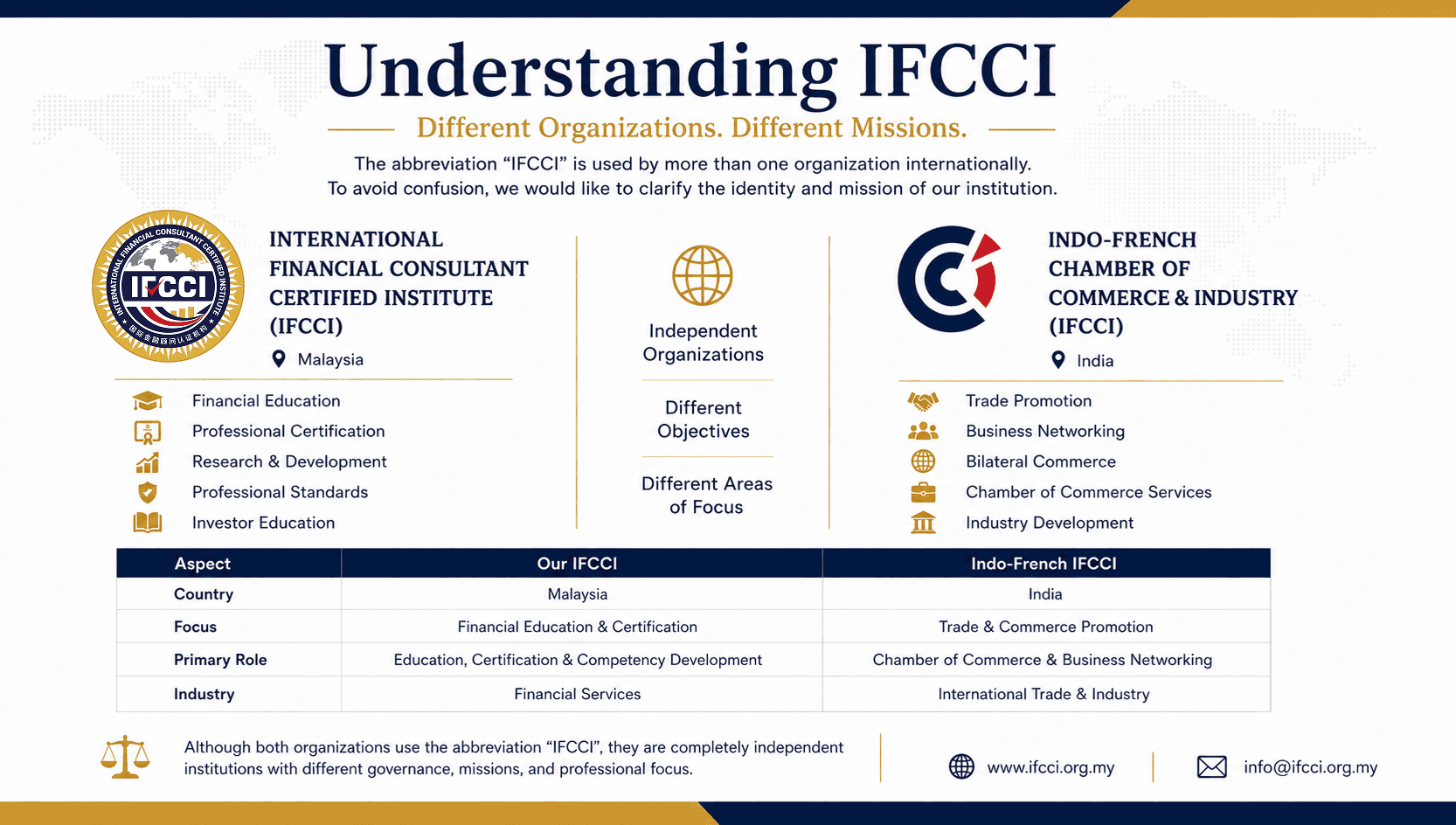
Understanding IFCCI: International Financial Consultant Certified Institute and Other Organizations Using the IFCCI Acronym
27 Jul 2026

Why International Financial Skills Championships Matter in Developing Global Financial Excellence
13 Jul 2026