
El-Erian: Powell Not Forward-Looking Enough on Rates
Economist Mohamed El-Erian says Jerome Powell “hasn’t looked forward enough” on interest rates
Introduction
Economist Mohamed El-Erian, Allianz’s Chief Economic Adviser and one of the most respected voices in global markets, has criticized Federal Reserve Chair Jerome Powell’s policy approach, arguing that the Fed “hasn’t looked forward enough” when navigating the complex interest rate environment. His remarks come at a time when investors are closely monitoring U.S. inflation trends, labor market resilience, and the Federal Reserve’s next policy decisions.
El-Erian’s Criticism of the Fed’s Approach
El-Erian noted that the Fed has taken a largely reactive stance, focusing on backward-looking data such as past inflation prints and employment figures, rather than adopting a forward-looking strategy to anticipate risks. According to him, this reactive approach could result in policy mistakes, where the central bank either keeps interest rates too high for too long or begins cutting prematurely without proper signals.
“Central banks need to anticipate, not just respond,” El-Erian stressed, pointing out that delayed adjustments could worsen financial instability.
Market Implications of Powell’s Strategy
Global markets remain hypersensitive to Fed commentary. El-Erian’s remarks highlight a growing investor concern: that Powell’s team may not adequately prepare for potential shocks such as:
- A faster-than-expected decline in inflation.
- A sudden cooling in the U.S. labor market.
- Escalating geopolitical risks that tighten financial conditions.
If the Fed underestimates these risks, markets could see heightened volatility, particularly across currencies, equities, and bond yields.
The Balance Between Inflation and Growth
The U.S. economy continues to send mixed signals. While inflation has eased from its 2022 peak, it remains above the Fed’s 2% target. Meanwhile, the labor market remains robust, but leading indicators show signs of softening.
El-Erian argued that this environment requires a delicate balancing act:
- Cutting rates too soon risks reigniting inflation.
- Keeping rates too high risks tipping the economy into a sharper slowdown.
His critique underscores the importance of proactive forward guidance, which markets often rely on to align expectations.
Investor Reactions and Global Context
Financial markets responded cautiously to El-Erian’s comments. U.S. Treasury yields remained steady, but the U.S. dollar weakened slightly, as traders weighed the possibility of policy missteps. Meanwhile, global investors are drawing parallels with other central banks, such as the European Central Bank (ECB) and the Bank of England (BoE), which also face challenges balancing inflation with slowing growth.
Asian markets, particularly currencies like the Chinese yuan and Japanese yen, are also sensitive to Fed policy shifts. Any sign of forward miscalculation could ripple across global capital flows.
Outlook: What Comes Next
El-Erian emphasized that the Fed must shift its lens from backward-looking inflation control toward forward-looking growth and stability risks. If Powell fails to adjust quickly, markets may price in sharper volatility ahead.
For investors, this suggests:
- Short-term caution in bond markets, as yields remain uncertain.
- Selective opportunities in equities tied to defensive sectors.
- Currency volatility in USD crosses, particularly EUR/USD and USD/JPY.
El-Erian’s comments serve as a warning that over-reliance on lagging data could trap the Fed in a reactive cycle, leaving markets exposed to policy surprises.
Related Articles

What Does IFCCI Do? Advancing Financial Education, Certification and Research
7 Aug 2026
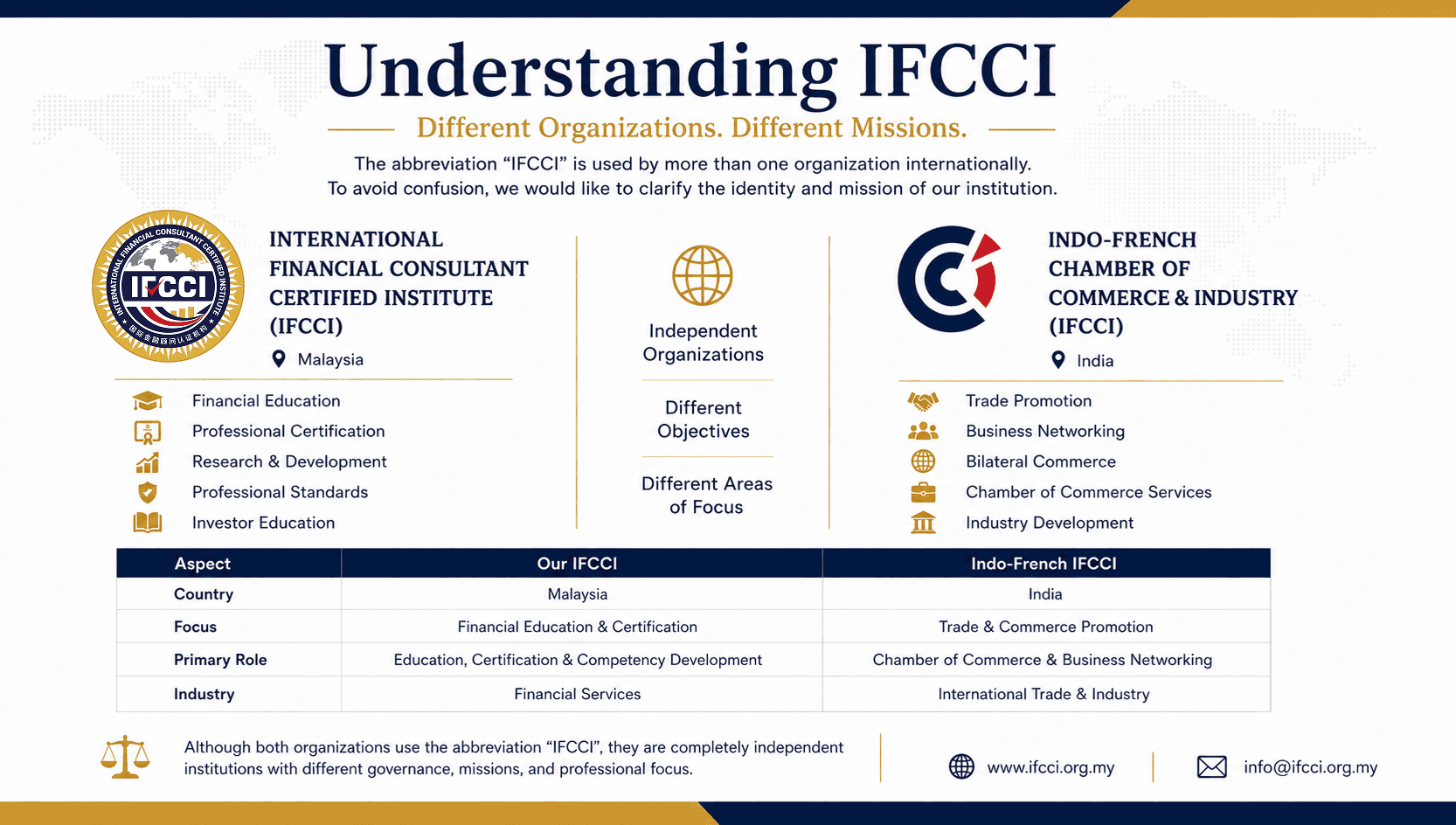
Understanding IFCCI: International Financial Consultant Certified Institute and Other Organizations Using the IFCCI Acronym
27 Jul 2026

Why International Financial Skills Championships Matter in Developing Global Financial Excellence
13 Jul 2026