
ECB’s Kazaks: Rate Cuts Already Very Significant
ECB’s Kazaks: Reduction in ECB Rates Is Already Very Significant
September 2025 – IFCCI European Desk – Mārtiņš Kazāks, a member of the European Central Bank (ECB) Governing Council, stated that the reduction in ECB interest rates has already been “very significant,” underscoring that the current policy stance remains accommodative enough to support growth while addressing inflation risks.
Monetary Policy Easing in Focus
Speaking in Riga, Kazāks emphasized that the ECB’s cumulative rate cuts over the past year represent one of the most decisive monetary easing cycles in the institution’s history. He noted that further adjustments will depend on incoming inflation data, labor market conditions, and broader eurozone growth signals.
“We have already made very significant progress in reducing policy rates. The transmission of these cuts into the real economy is ongoing, and we must carefully monitor their effects before taking additional steps,” Kazāks remarked.
Inflation and Growth Balance
- Inflation Trajectory: Eurozone inflation has continued to ease, though core prices remain somewhat sticky.
- Growth Outlook: The eurozone economy shows modest recovery, with business confidence improving but household consumption still constrained.
- Policy Objective: Kazāks highlighted that monetary policy must balance avoiding overtightening while not prematurely declaring victory over inflation.
Market Reaction
The euro traded within a tight range following Kazāks’ remarks, while European bond yields edged slightly lower as investors interpreted his statement as a signal that the ECB could adopt a more cautious pace in future rate decisions.
Equity markets in Frankfurt and Paris saw mild gains, particularly in interest rate-sensitive sectors such as real estate and utilities, as the commentary reinforced expectations of a supportive policy environment.
Implications for Businesses and Investors
- Corporates: Lower borrowing costs provide relief for businesses, especially in capital-intensive industries.
- Consumers: Easing mortgage and lending rates may encourage consumption, though the lag effect remains in play.
- Global Investors: ECB’s stance contrasts with the US Federal Reserve’s cautious approach, creating divergence opportunities across FX and bond markets.
Looking Ahead
Kazāks reiterated that while the ECB remains committed to ensuring inflation returns sustainably to its 2% target, policymakers must not underestimate the time it takes for monetary policy to fully filter through the economy.
The next ECB Governing Council meeting is expected to provide further clarity on whether rate cuts will pause or continue at a slower pace into early 2026.
Related Articles

What Does IFCCI Do? Advancing Financial Education, Certification and Research
7 Aug 2026
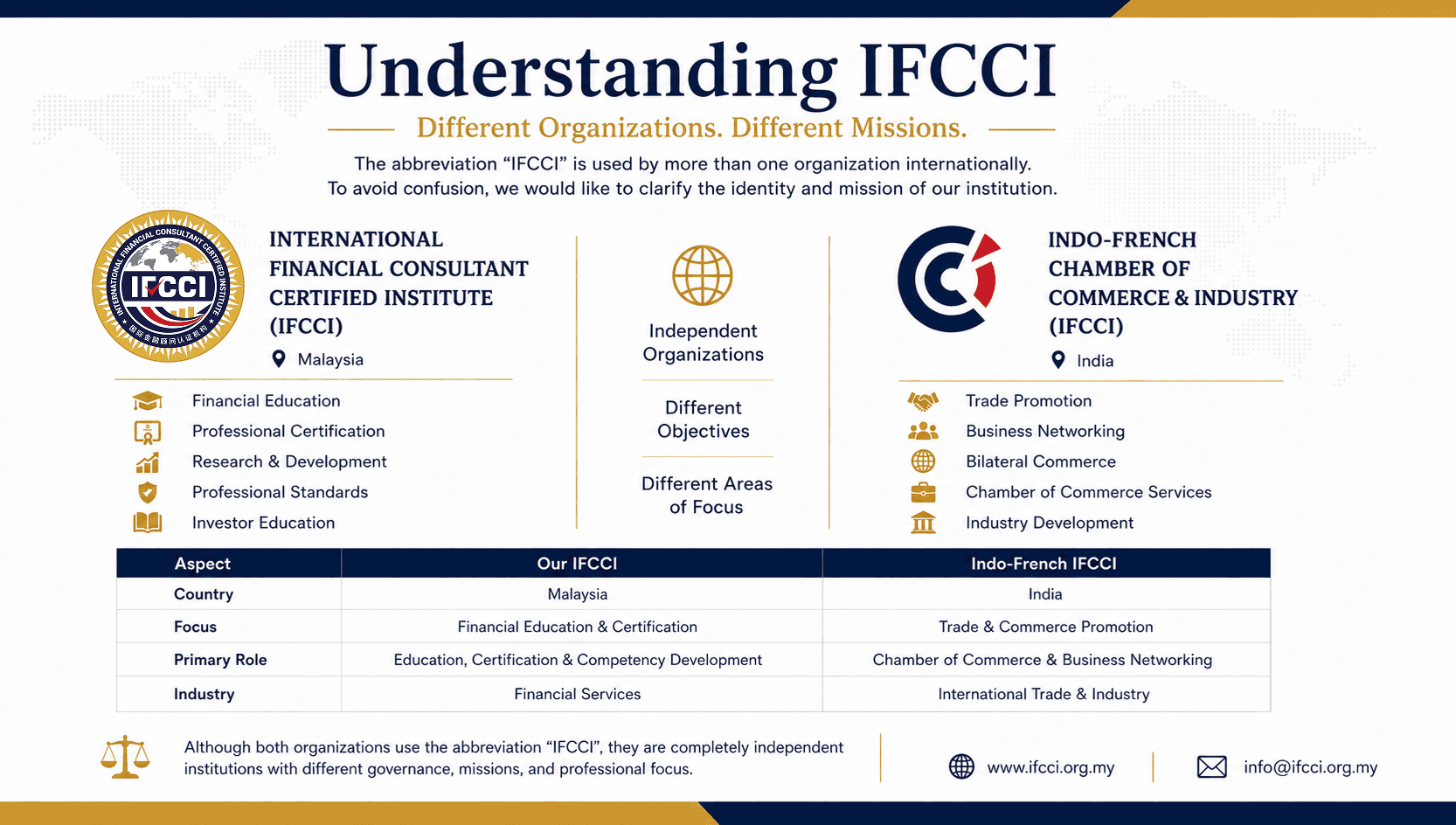
Understanding IFCCI: International Financial Consultant Certified Institute and Other Organizations Using the IFCCI Acronym
27 Jul 2026

Why International Financial Skills Championships Matter in Developing Global Financial Excellence
13 Jul 2026