
Dow Jones Falls Below 44,400 as Trump's New Tariffs Stir Anxiety
The Dow Jones Industrial Average (DJIA) slipped back into negative territory on Friday, falling below the key 44,400 level, as investor sentiment weakened in response to renewed tariff threats from President Donald Trump. This drop ends a brief two-day recovery and underscores the market’s fragile footing amid escalating trade tensions.
Trump ramped up trade pressure this week, targeting Canadian goods with fresh import fees, while also threatening sweeping new tariffs on major U.S. trading partners including South Korea, Japan, and Canada. A potential 50% tariff on copper imports is also on the table. Unless new trade deals are struck, these tariffs are scheduled to take effect on August 1, aligning with the delayed implementation of the previously announced “reciprocal” tariffs from April.
This constantly shifting tariff policy landscape is unsettling markets. With trade threats appearing and disappearing unpredictably, investors are finding it difficult to gauge long-term risks—adding volatility to equities and dragging on confidence.
Despite testing new highs earlier in the week, equities reversed course by Friday. The timing also coincides with investor caution ahead of the upcoming Q2 earnings season and the release of fresh U.S. CPI inflation data next Tuesday. A stronger-than-expected inflation print could limit the Federal Reserve’s flexibility to cut rates, adding another layer of uncertainty to markets.
Dow Jones Outlook Remains Bullish, for Now
Technically, the Dow remains in bullish territory, still trading well above the 200-day EMA near 42,330. However, the index is struggling to regain ground above the psychologically important 45,000 level, with immediate support forming around the 44,400 region.
Unless the outlook on trade policy stabilizes, or inflation data relieves pressure on the Fed, the Dow may continue facing short-term resistance, despite the longer-term bullish trend.
Related Articles

What Does IFCCI Do? Advancing Financial Education, Certification and Research
7 Aug 2026
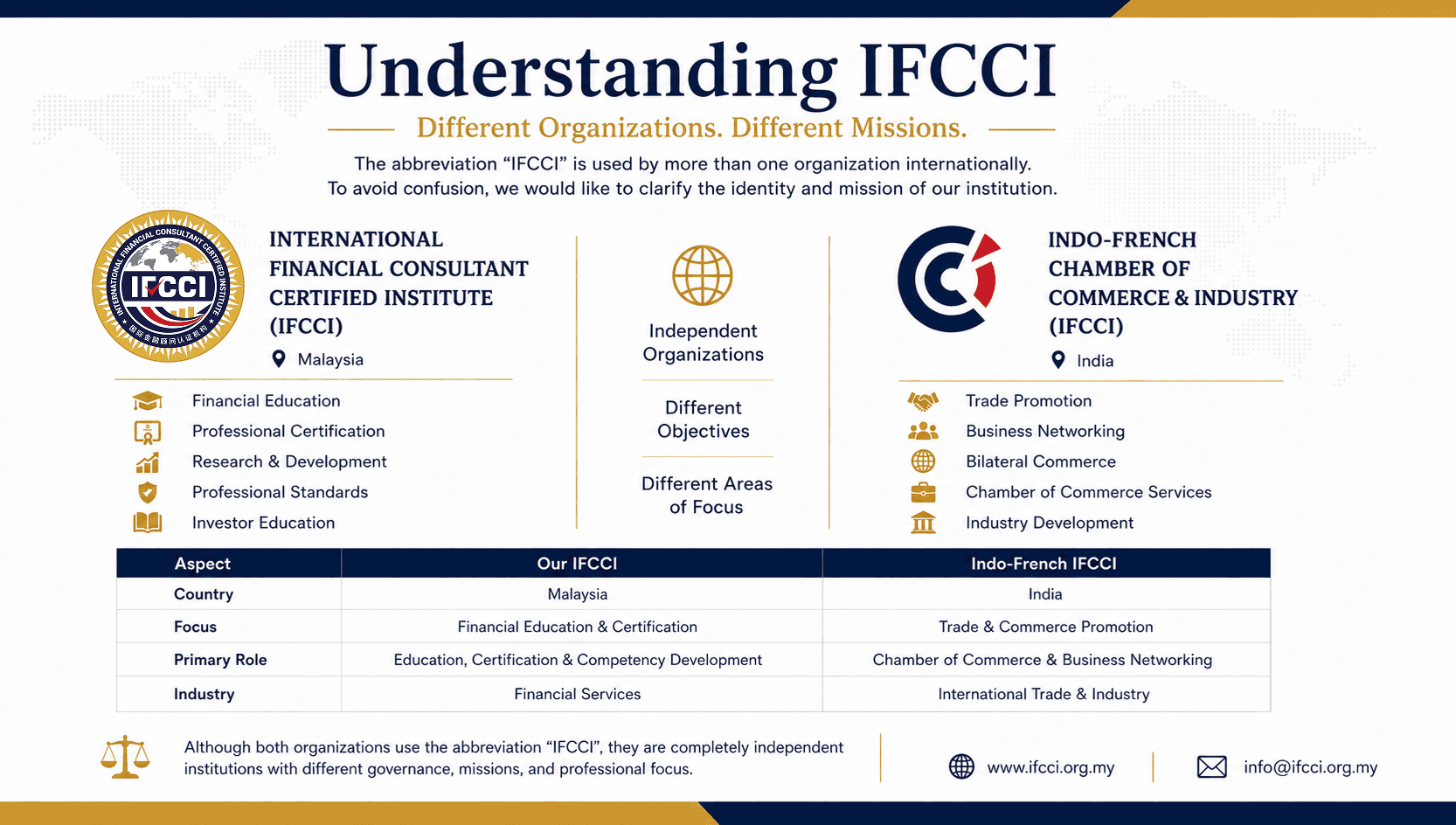
Understanding IFCCI: International Financial Consultant Certified Institute and Other Organizations Using the IFCCI Acronym
27 Jul 2026

Why International Financial Skills Championships Matter in Developing Global Financial Excellence
13 Jul 2026