
Dovish UK Jobs Report Strengthens Case for More BoE Rate Cuts | IFCCI Analysis
📰 Dovish UK Jobs Report Bolsters Case for Further Rate Cuts
LONDON — October 15, 2025 | IFCCI Financial Insights
A softer-than-expected UK labour market report has strengthened market expectations that the Bank of England (BoE) could deliver additional interest rate cuts before year-end, as policymakers attempt to revive slowing economic momentum without reigniting inflation pressures.
Wage Growth and Hiring Data Point to a Cooling Labour Market
According to the Office for National Statistics (ONS), average earnings excluding bonuses rose 3.2% year-on-year in August — the weakest pace since early 2022 and well below the BoE’s comfort threshold.
Unemployment edged up to 4.6%, its highest level in three years, while job vacancies continued a ten-month decline.
“The moderation in wage growth is precisely what the Bank has been waiting for,” said Helen Farrow, senior economist at IFCCI Research Division.
“Combined with rising joblessness, it gives policymakers the flexibility to ease policy further without losing inflation credibility.”
This cooling trend, economists say, provides the dovish cover needed for the Monetary Policy Committee (MPC) to resume cutting rates after last month’s 25 basis-point reduction, which brought the benchmark to 4.75%.
Inflation Pressures Ease, Strengthening the Policy Pivot Case
Headline inflation fell to 2.3% in September, near the BoE’s target, largely driven by softer energy prices and a moderation in food costs.
Core inflation — stripping out volatile components — eased to 2.8%, signaling that underlying price pressures are finally abating.
Markets now price in two additional rate cuts by February 2026, according to futures data compiled by Bloomberg.
“The labour data confirms that the BoE’s tightening cycle has achieved its disinflationary goal,” noted James Holloway, a London-based financial strategist.
“Rate cuts are no longer a question of if, but when — and the jobs data accelerates that timeline.”
Market Reaction: Pound Weakens, Gilt Yields Slide
Sterling fell 0.4% against the U.S. dollar, trading near $1.21, while UK gilt yields dropped across the curve. The 2-year yield fell below 3.8%, its lowest since May 2023, as traders bet on further easing.
The FTSE 100 climbed 0.9%, buoyed by rate-sensitive sectors such as real estate and utilities.
“Investors are increasingly confident that the BoE will pivot decisively toward supporting growth,” said David Chong, IFCCI-certified market strategist.
“Equity markets are cheering the return of policy accommodation.”
The Dovish Shift in Global Context
The BoE’s dovish stance mirrors broader global trends. The European Central Bank and Bank of Canada have also signaled readiness to lower rates amid weakening manufacturing data and softening consumer demand.
However, the U.S. Federal Reserve remains cautious, maintaining that policy easing will depend on sustained inflation moderation.
This divergence may pressure the pound further, but analysts note it could support UK export competitiveness, especially in the services sector — a key pillar of the British economy.
Structural Weaknesses Remain Despite Policy Relief
While rate cuts can cushion short-term pain, the underlying structural issues in the UK labour market persist:
- Low productivity growth, hovering below 1% annually.
- Skills mismatch, particularly in digital finance and AI-driven roles.
- Post-Brexit labour shortages in healthcare and construction.
These challenges underline the need for targeted reskilling and professional certification programs, such as those offered by IFCCI, which focus on equipping financial professionals with internationally recognized competencies.
IFCCI View: Preparing Financial Consultants for the Policy Cycle Ahead
In a research note, IFCCI Macro Advisory Unit stated that the current cycle represents “a textbook case study in dovish recalibration,” where central banks aim to stabilize growth through controlled easing.
Financial consultants and advisors are urged to:
- Reassess fixed-income allocations amid declining yields.
- Monitor cross-currency correlations, as GBP volatility rises.
- Update macro-risk models based on evolving rate forecasts.
For those pursuing the IFCCI Diploma in Financial Trading or Certified Macro Advisor program, this period offers real-time learning on how monetary policy shifts affect asset classes and client portfolios.
Internal IFCCI SEO Link Strategy
| Target Page | Anchor Text | Purpose |
|---|---|---|
| /financial-trading-diploma | IFCCI Diploma in Financial Trading | Education crosslink |
| /macro-advisor-certification | Certified Macro Advisor Program | Lead generation |
| /news/ecb-rate-decision | ECB Policy Outlook | Related market coverage |
| /research/global-monetary-policy | IFCCI Global Research Hub | Topical authority |
Conclusion: A Window for Policy Easing, Not Complacency
The latest UK jobs report signals the clearest dovish turn in Britain’s post-pandemic recovery phase.
Yet while monetary relief is imminent, structural reform remains essential. Without renewed investment in productivity, education, and financial competency — including accredited training pathways — the UK risks turning cyclical softness into a longer stagnation.
For policymakers, the message is clear: rate cuts may soothe the patient, but only skills and innovation can heal the economy.
Related Articles

What Does IFCCI Do? Advancing Financial Education, Certification and Research
7 Aug 2026
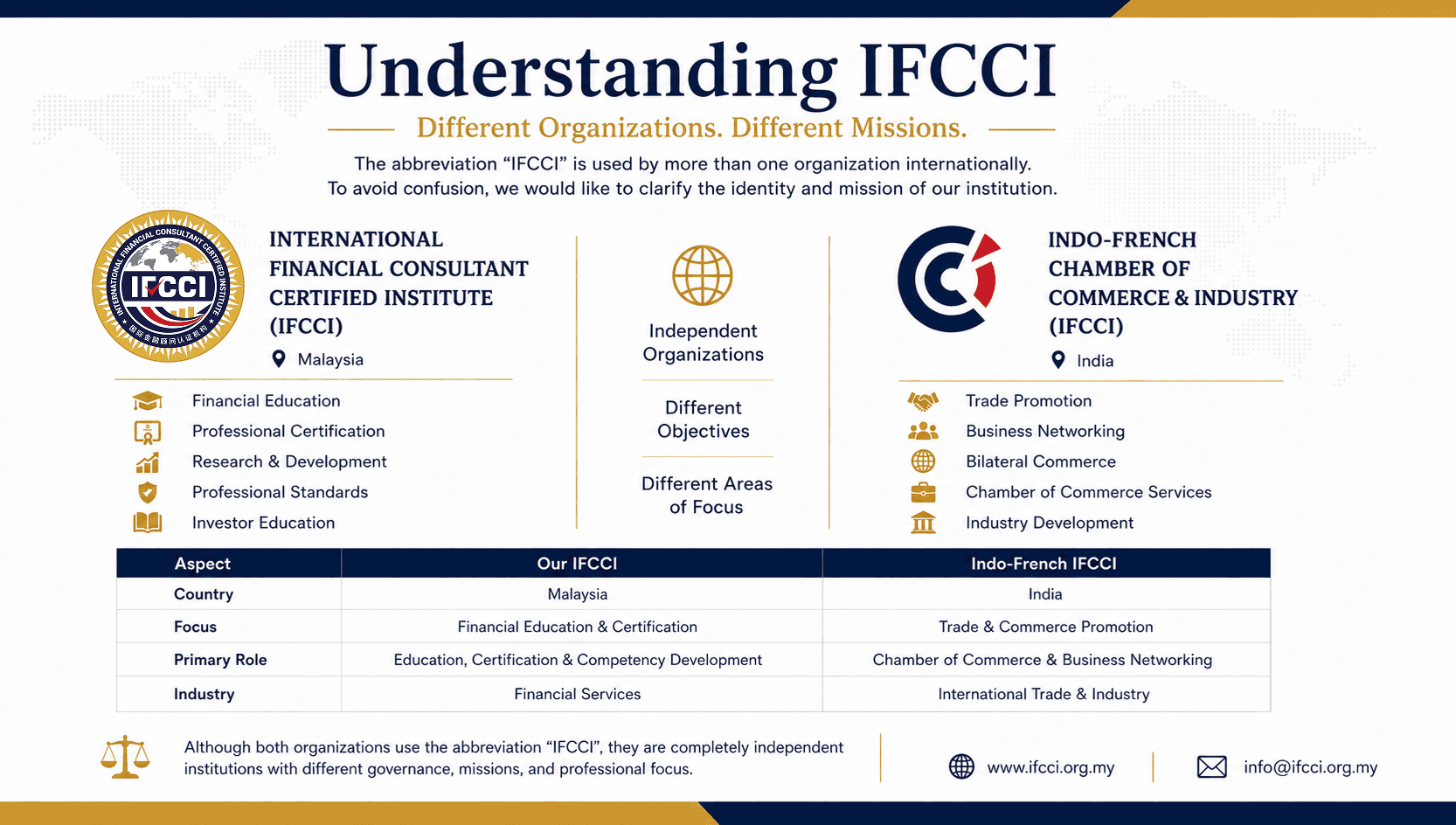
Understanding IFCCI: International Financial Consultant Certified Institute and Other Organizations Using the IFCCI Acronym
27 Jul 2026

Why International Financial Skills Championships Matter in Developing Global Financial Excellence
13 Jul 2026