
CZ: Binance Leads Across Major Stablecoins Beyond USD1
CZ Says Binance Leads Across Major Stablecoins, Not Just USD1
Changpeng Zhao (CZ) has stated that Binance maintains leadership across major stablecoins, emphasising that its dominance is not confined to any single dollar-pegged token such as USD1.
The remarks highlight Binance’s positioning as a multi-stablecoin liquidity hub rather than a platform dependent on one primary settlement asset.
Stablecoins as Market Infrastructure
Stablecoins serve as the core settlement layer for digital asset markets, facilitating:
- Spot trading liquidity
- Derivatives margin collateral
- Cross-border transfers
- DeFi protocol interactions
Leadership in stablecoin trading volumes and liquidity depth confers structural advantages for exchanges, including tighter spreads and stronger order-book resilience.
Diversification vs Concentration Risk
CZ’s statement underscores a strategic distinction:
- Concentrated model: Exchange dominance tied heavily to a single stablecoin
- Diversified model: Liquidity distributed across multiple leading stablecoins
A diversified structure reduces exposure to:
- Regulatory targeting of specific issuers
- Reserve transparency controversies
- Market-driven de-pegging events
This positioning can enhance exchange-level resilience during volatility.
Competitive Stablecoin Landscape
The global stablecoin market remains dominated by several major issuers, with competition centred on:
- Transparency and reserve reporting
- Regulatory alignment
- Integration across centralised and decentralised platforms
- Institutional adoption
Exchanges that maintain deep liquidity across multiple stablecoins are better positioned to adapt to shifts in regulatory or market preference.
Liquidity as Strategic Leverage
Exchange leadership in stablecoin trading typically reflects:
- High on-platform settlement volume
- Extensive trading pair availability
- Cross-margin and derivatives integration
- Strong user base participation
Liquidity concentration can reinforce network effects, attracting both retail and institutional traders.
Regulatory and Structural Implications
As global regulators increasingly scrutinise stablecoin issuers, exchanges face evolving compliance expectations. A multi-stablecoin strategy may:
- Mitigate regulatory concentration risk
- Provide optionality amid jurisdictional divergence
- Preserve market share during issuer-specific stress events
This dynamic makes liquidity diversification a strategic priority.
IFCCI Assessment: Strategic Positioning, Structural Advantage
The IFCCI Research Division assesses that Binance’s emphasis on leadership across major stablecoins reflects a deliberate structural strategy.
Key observations:
- Multi-stablecoin liquidity strengthens systemic positioning
- Diversification reduces issuer-specific vulnerability
- Stablecoins remain the backbone of exchange competitiveness
In the current regulatory and macro environment, exchange resilience increasingly depends on liquidity breadth rather than reliance on a single dominant token.
Conclusion
CZ’s assertion that Binance leads across major stablecoins, not merely USD1, highlights the exchange’s effort to position itself as a diversified liquidity centre within the digital asset ecosystem. As stablecoins continue to function as core market infrastructure, competitive advantage will depend on adaptability, regulatory alignment, and sustained liquidity depth.
Related Articles

What Does IFCCI Do? Advancing Financial Education, Certification and Research
7 Aug 2026
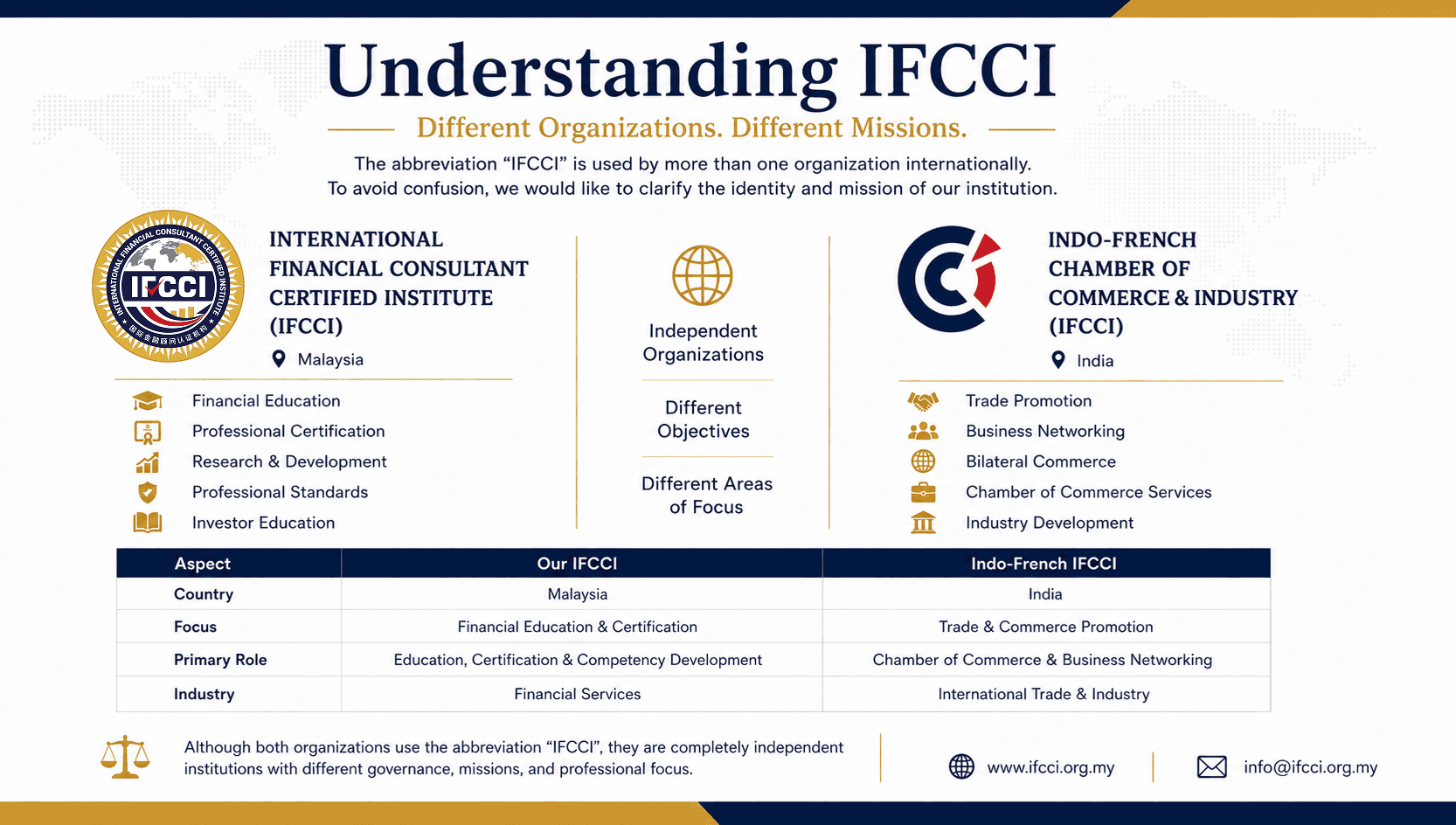
Understanding IFCCI: International Financial Consultant Certified Institute and Other Organizations Using the IFCCI Acronym
27 Jul 2026

Why International Financial Skills Championships Matter in Developing Global Financial Excellence
13 Jul 2026