
Crypto Social Media Turns Fearful as Retail Selling
Fear Dominates Crypto Social Channels
Crypto-related social media has become increasingly dominated by fear, uncertainty and doubt (FUD) as retail investors accelerate selling activity, according to sentiment data published by on-chain analytics firm Santiment.
The shift in online tone coincides with heightened market volatility and renewed downside pressure across major digital assets, reflecting growing anxiety among smaller, short-term participants.
Retail Behaviour Drives Sentiment Shift
Santiment’s data indicates that retail-driven discussion volumes have skewed sharply negative, with spikes in pessimistic keywords and declining confidence narratives.
Key characteristics of the current sentiment environment include:
- Elevated fear-based language across social platforms
- Increased mentions of capitulation and loss realisation
- Reduced discussion of long-term fundamentals
- Short-term price focus overtaking structural narratives
Historically, such sentiment shifts tend to align with periods of stress among less capitalised market participants.
Disconnect Between Price Action and Long-Term Metrics
Despite the negative social sentiment, Santiment notes that broader on-chain indicators show less evidence of systemic deterioration.
Observations include:
- Long-term holder activity remaining relatively stable
- No widespread distribution from historically patient cohorts
- Reduced leverage compared with prior selloff phases
This divergence highlights a recurring pattern in crypto markets, where social sentiment weakens faster than underlying network behaviour.
Why Social Media FUD Matters
Social sentiment plays an outsized role in crypto markets due to:
- High retail participation
- Reflexive feedback loops between price and emotion
- Rapid narrative amplification
While social data does not predict precise market turning points, extreme pessimism has historically coincided with late-stage selling pressure, particularly when driven by retail cohorts.
Retail Capitulation as a Market Phase
Retail selloffs often follow a familiar structure:
- Price volatility increases
- Confidence erodes rapidly on social platforms
- Retail investors reduce exposure
- Market participation consolidates among longer-term holders
This process does not guarantee an immediate rebound, but it frequently marks a transition in market structure rather than the beginning of prolonged collapse.
Santiment’s Historical Context
Santiment’s prior research suggests that:
- Periods of intense FUD often precede stabilisation phases
- Social pessimism tends to peak after sharp price declines
- Markets become more resilient once emotional selling subsides
However, timing remains uncertain, and sentiment should be interpreted alongside liquidity, macro, and derivatives indicators.
IFCCI Assessment: Sentiment Stress, Not Structural Breakdown
The IFCCI Research Division assesses that the current dominance of FUD across crypto social media reflects retail stress rather than systemic failure.
Key conclusions:
- Emotional selling appears concentrated among short-term participants
- Structural metrics do not yet indicate market capitulation
- Sentiment extremes increase volatility but also reduce speculative excess
From a market-structure perspective, such phases often represent risk transfer from weak to stronger hands.
Conclusion
As fear and doubt take hold across crypto social media, Santiment’s data highlights the growing influence of retail-driven selling on short-term price action. While sentiment deterioration increases volatility and uncertainty, it does not necessarily signal a breakdown in underlying market structure.
For investors, the current environment underscores the importance of separating emotional narratives from data-driven signals as crypto markets navigate another period of adjustment.
Related Articles

What Does IFCCI Do? Advancing Financial Education, Certification and Research
7 Aug 2026
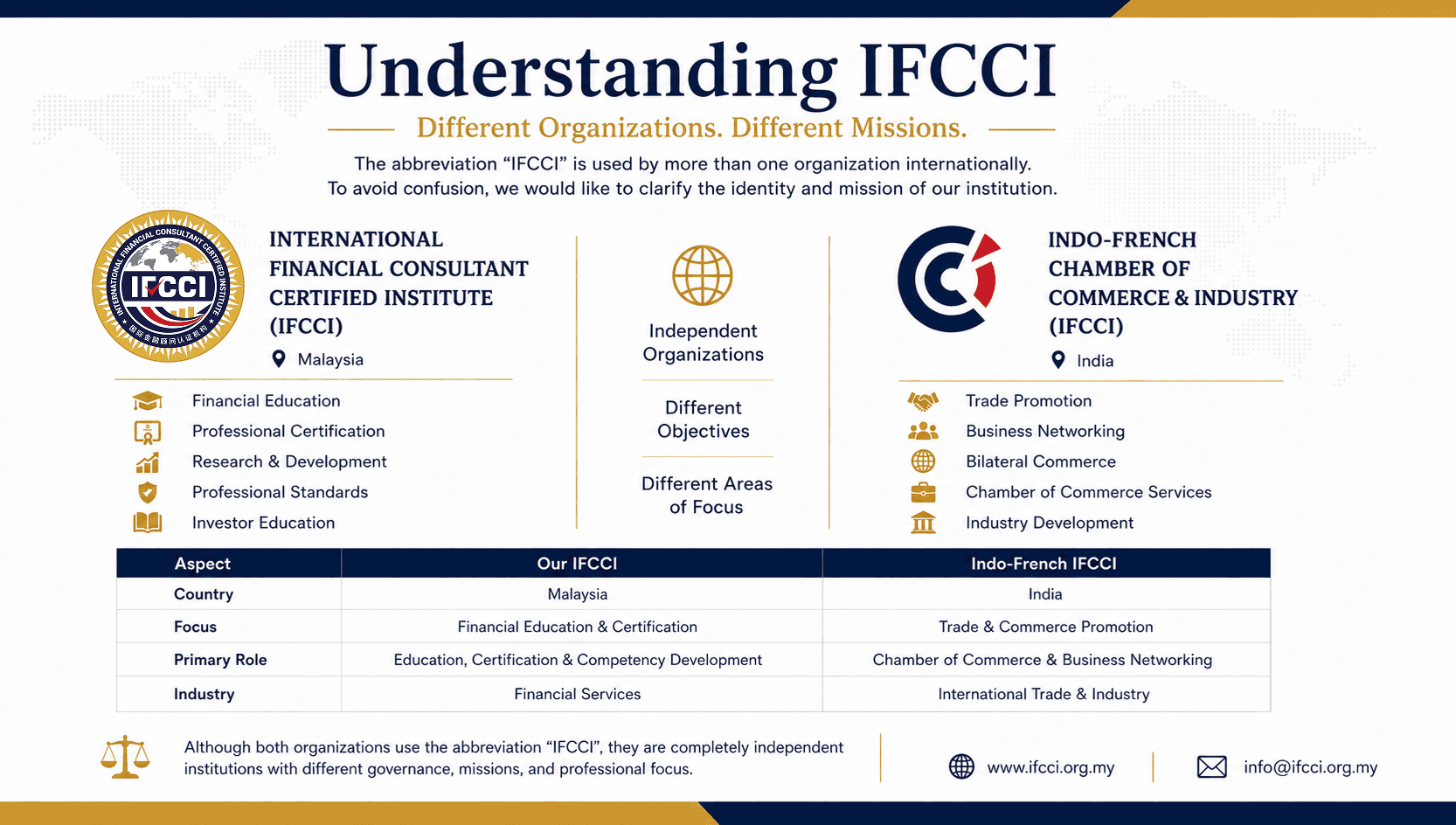
Understanding IFCCI: International Financial Consultant Certified Institute and Other Organizations Using the IFCCI Acronym
27 Jul 2026

Why International Financial Skills Championships Matter in Developing Global Financial Excellence
13 Jul 2026