
Crypto Clash Escalates: Elizabeth Warren Cites Systemic Risk, CZ Says Industry Is Misunderstood
🧨 Introduction: A Growing Divide Between Regulators and Crypto Titans
The tension between governments and the cryptocurrency industry is reaching new highs. In a heated Senate hearing this week, U.S. Senator Elizabeth Warren doubled down on her campaign against digital assets, labeling them a “systemic risk to the financial system.”
In a sharp rebuttal, Changpeng Zhao (CZ) — former CEO of Binance and one of crypto’s most prominent voices — fired back, calling the industry “deeply misunderstood” and warning against regulatory overreach that could stifle innovation.
As the crypto clash escalates, the stakes have never been higher. This article unpacks the full debate, analyzes both perspectives, and explores what it means for investors, regulators, and the global financial system.
📚 What This Article Covers:
- Elizabeth Warren’s claims of crypto systemic risk
- CZ’s counterargument and defense of the crypto industry
- The facts behind money laundering and crypto crimes
- How global regulators are reacting
- What this clash means for future crypto regulation
- A balanced analysis of both sides
- Long-term implications for BTC, ETH, and the DeFi sector
🧵 The Spark: What Elizabeth Warren Actually Said
At a July 2025 U.S. Senate Banking Committee hearing, Senator Warren warned that cryptocurrencies:
“Pose systemic risk to the financial sector, facilitate illicit finance, and enable tax evasion at a global scale.”
She cited:
- Terrorist financing using privacy coins
- Fentanyl and drug purchases via stablecoins
- “Pig butchering” scams using DeFi platforms
- Alleged infiltration of U.S. banking by crypto lobbyists
Warren also introduced the Digital Asset Anti-Money Laundering Act, calling for:
- Mandatory KYC for DeFi
- Prohibition of privacy-enhancing tech
- Banning self-hosted wallets
“Crypto is no longer a playground—it’s a gateway for crime, fraud, and systemic threats,”
— Sen. Elizabeth Warren
🧊 The Response from CZ: “Crypto Is Misunderstood, Not Malicious”
CZ, now acting as an advisor to blockchain think tanks following his 2024 settlement with U.S. regulators, pushed back with a detailed blog post and public statements:
“The industry is not trying to avoid regulation—it’s trying to survive inconsistent, hostile, and often uninformed policies.”
🛡️ CZ’s Main Arguments:
- Blockchain is transparent: Every transaction is traceable.
- Crypto crime is less than 1% of total global financial crime.
- Decentralization is not a crime—it’s a technology paradigm.
- Self-custody is essential for digital sovereignty.
He also criticized the lack of technological literacy among lawmakers:
“You wouldn’t ban the internet just because criminals use email.”
📊 Fact Check: Is Crypto a “Systemic Risk”?
Let’s dissect Warren’s claims with actual data:
1. 🔍 Illicit Crypto Usage
According to Chainalysis 2025 Report:
| Category | % of Crypto Volume |
|---|---|
| Legitimate Usage | 96.3% |
| Scams | 1.7% |
| Ransomware + Darknet | 0.9% |
| Terror Financing | <0.2% |
Compare that with traditional finance:
- Global money laundering via banks = $1.8 trillion/year (UNODC)
- HSBC, JPMorgan, and others have paid billions in AML fines
2. 🏦 Systemic Risk to Finance?
- Total crypto market cap = $2.9T
- Global derivatives market = $630T
- U.S. banks’ crypto exposure < 1.4% (Federal Reserve)
👉 Conclusion: Crypto may have risks, but it is not yet large enough to destabilize global finance.
🌍 Global Regulator Reactions
🇸🇬 Singapore (MAS)
- Differentiates between speculative crypto vs utility tokens
- Licenses exchanges under PS Act
- Working with IFCCI and IBF Singapore for certified advisor training
🇬🇧 FCA UK
- Requires disclosure, risk labels for crypto promotions
- Testing DeFi lending sandboxes
🇲🇾 Malaysia (SC Malaysia, BNM)
- Mandated licensing for crypto advisors
- FPAM now includes Crypto Compliance Module
🧠 Balancing the Debate: What’s True, What’s Exaggerated?
| Claim | Reality Check |
|---|---|
| Crypto is used for crime | True—but far less than fiat |
| Crypto lacks regulation | In some regions, yes; others are ahead |
| DeFi is ungovernable | It’s new, but not unregulatable |
| Privacy coins = money laundering | Some use them for legitimate privacy |
| All crypto is speculative | Not all—Ethereum, Chainlink, stablecoins are used in real commerce |
📉 Market Reaction
Despite the tension, the market has responded with resilience:
| Asset | Price Reaction (7D) |
|---|---|
| Bitcoin | -2.3% |
| Ethereum | -1.1% |
| BNB | +0.4% |
| DeFi Index | -4.5% |
Investors appear to interpret the clash as noise, not a fundamental threat—yet.
📣 What Industry Leaders Are Saying
“The problem isn’t crypto—it’s the lack of clear, harmonized global rules.”
— David Ong, Certified Blockchain Consultant, IFCCI
“We need regulation that doesn’t just aim to punish, but also protect and promote responsible innovation.”
— Dr. Amy Lim, SIDC Malaysia
“Crypto will evolve, whether inside the system or outside it.”
— Pavel Savchenko, CryptoLegal EU
🔮 What Happens Next?
| Scenario | Probability | Implication |
|---|---|---|
| U.S. passes anti-privacy law | Medium | Exodus of innovation to Asia |
| Global crypto certification emerges (e.g., via IFCCI) | High | More trust, less fraud |
| CBDCs replace private stablecoins | Low-medium | Depends on tech readiness |
| DeFi regulated as financial service | Medium | Could legitimize protocols |
🧭 IFCCI’s View: Educate, Certify, Protect
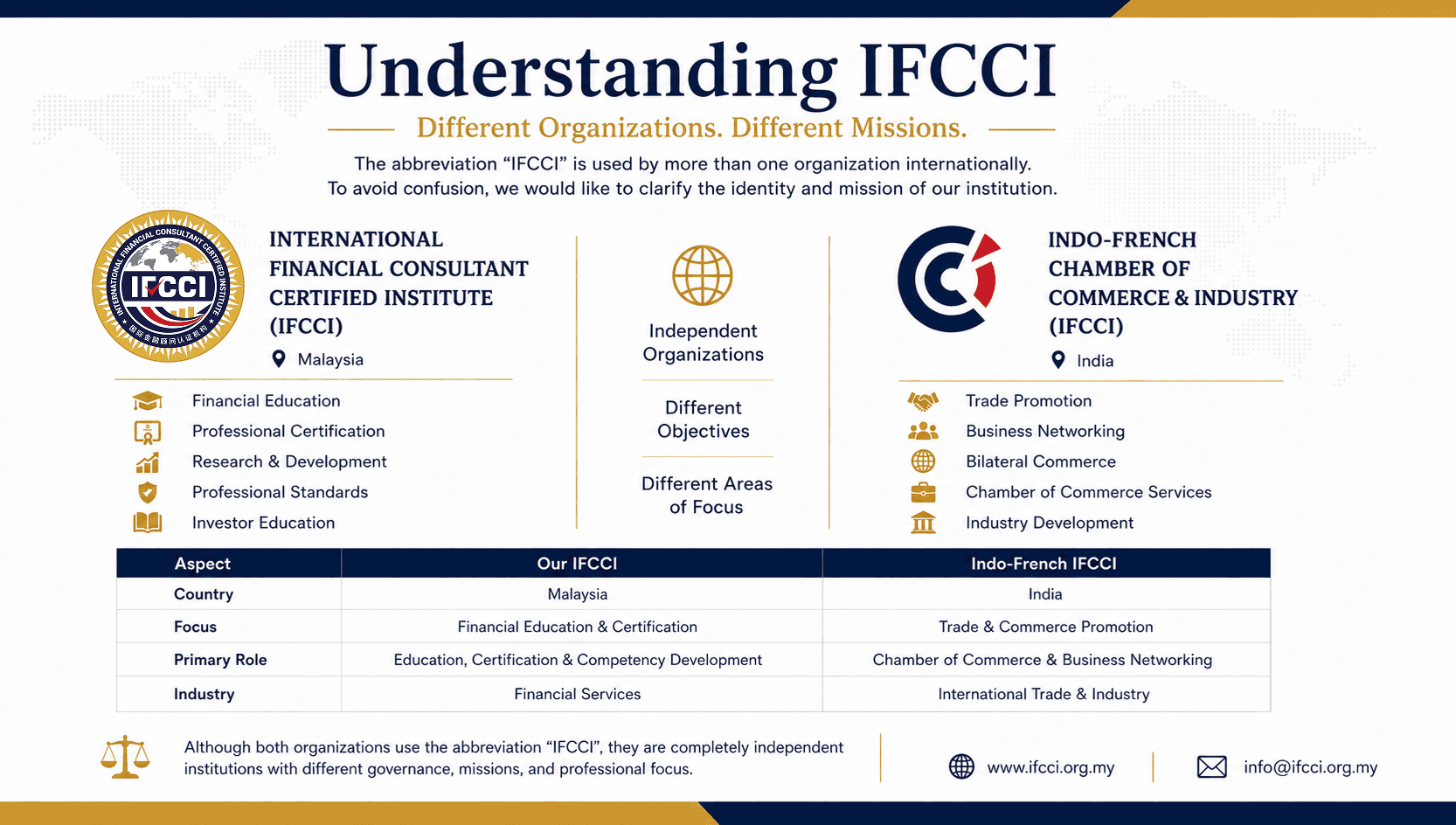
IFCCI (International Financial Consultant Certified Institute) advocates for:
- Balanced regulation
- International standards
- Mandatory crypto advisor licensing
Our Crypto Advisory Certification Program covers:
- Anti-money laundering frameworks
- DeFi governance models
- Global regulatory compliance
Related Articles

What Does IFCCI Do? Advancing Financial Education, Certification and Research
7 Aug 2026
Understanding IFCCI: International Financial Consultant Certified Institute and Other Organizations Using the IFCCI Acronym
27 Jul 2026
Why International Financial Skills Championships Matter in Developing Global Financial Excellence
13 Jul 2026