
CPO Seen Trading Around RM4,000 a Tonne in 2026
CPO to Trade Around RM4,000 a Tonne in 2026, According to Kenanga
Crude palm oil (CPO) prices are expected to trade around RM4,000 per tonne in 2026, as supply-side constraints, structural cost pressures and steady global demand provide underlying price support, according to Kenanga Investment Bank Research.
Balanced outlook amid supply discipline
Kenanga said the medium-term outlook for palm oil remains constructive despite near-term volatility, underpinned by disciplined production growth among major producers and structural labour constraints in Malaysia’s plantation sector.
While Indonesia remains the world’s largest palm oil producer, the research house noted that policy interventions, including export levies and domestic market obligations, are likely to continue influencing global supply flows and price formation.
Cost pressures underpin price floor
Rising input costs, including fertilisers, labour and compliance-related expenses linked to sustainability standards, are expected to keep production costs elevated across the region. These factors are seen providing a natural price floor for CPO, limiting downside risks even during periods of softer demand.
Kenanga added that stricter environmental, social and governance (ESG) requirements, particularly for exports to the European Union, could further constrain marginal supply, supporting prices over the longer term.
Demand supported by food and biofuel usage
On the demand side, CPO consumption is expected to remain resilient, supported by stable demand from the food processing sector and continued usage in biodiesel programmes, particularly in Indonesia and other key consuming markets.
Although competition from alternative vegetable oils may cap sharp price rallies, Kenanga believes palm oil’s cost competitiveness and versatility will sustain its role in global edible oil markets.
Weather risks remain a swing factor
Weather-related risks, including potential El Niño or La Niña developments, remain a key swing factor for price performance. Any prolonged adverse weather conditions affecting yields could tighten supply and push prices above baseline forecasts.
However, in the absence of severe disruptions, Kenanga expects prices to consolidate around the RM4,000 per tonne level, reflecting a more normalised post-pandemic market environment.
Sector implications
Plantation companies with strong cost control, yield management and downstream integration are expected to be better positioned to navigate price fluctuations. Analysts noted that earnings visibility for the sector should improve as prices stabilise within a more predictable range.
Related Articles

What Does IFCCI Do? Advancing Financial Education, Certification and Research
7 Aug 2026
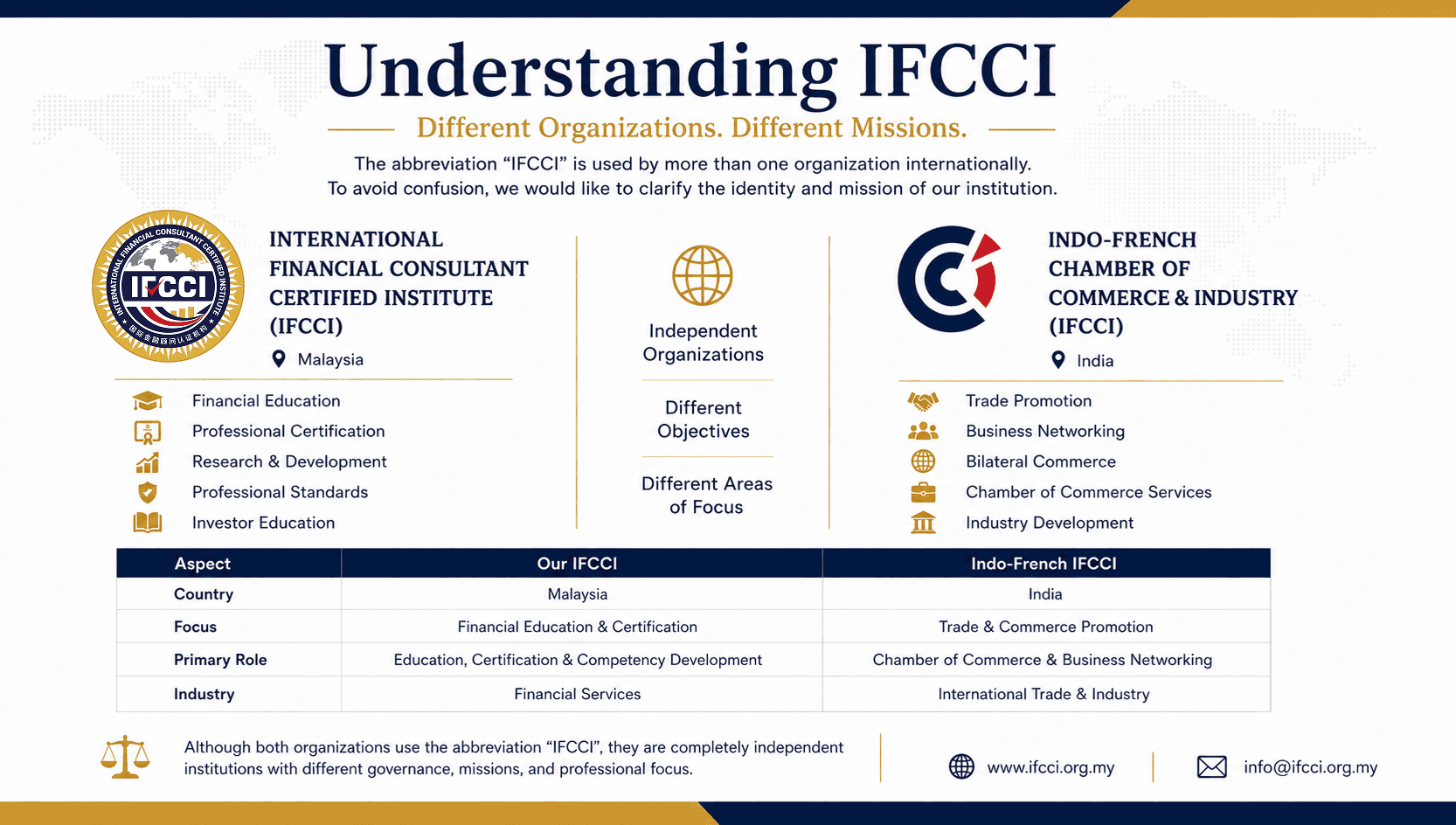
Understanding IFCCI: International Financial Consultant Certified Institute and Other Organizations Using the IFCCI Acronym
27 Jul 2026

Why International Financial Skills Championships Matter in Developing Global Financial Excellence
13 Jul 2026