
Coinbase Market Share Falls as Crypto Volumes Surge in 2025
Coinbase Is Losing Its Grip: Market Share Drops Despite Massive Volume Surge
By IFCCI Research & Financial Education Desk
August 2025
Macro Overview: Crypto Volumes Surge, But Coinbase Lags Behind
The global cryptocurrency market experienced a dramatic revival in 2025, with daily trading volumes surging above $150 billion, driven by renewed institutional inflows, ETF approvals, and increasing adoption in Asia-Pacific markets. While the rally has boosted transaction counts across major exchanges, Coinbase’s market share has paradoxically declined — raising serious questions about its competitiveness, cost structure, and strategic positioning.
According to CoinMarketCap and Kaiko Research, Coinbase’s spot market share slipped from 8.2% in early 2024 to just 4.5% by mid-2025, despite recording its highest quarterly volumes since the bull market peak of 2021. By contrast, Binance, OKX, and Bybit have expanded their dominance, capturing the lion’s share of both retail and institutional flows.
This apparent paradox — rising volumes but falling share — underscores a deeper structural shift in the global crypto exchange industry.
Data Snapshot: Coinbase vs Competitors
- Binance: Maintains ~50% global spot market share, with deep liquidity and aggressive fee discounts.
- OKX & Bybit: Rapid growth in derivatives and perpetual futures, offering leverage and innovative trading products.
- Coinbase: Primarily US-focused, maintains regulatory compliance but suffers from higher fees and slower product rollout.
- Kraken & Gemini: Stable but niche, catering to institutional custody and specific asset classes.
📊 Market Share Evolution (2024 → 2025):
- Binance: 44% → 51%
- OKX: 12% → 16%
- Bybit: 9% → 12%
- Coinbase: 8.2% → 4.5%
- Others: Fragmented < 3% each
Why Is Coinbase Losing Market Share?
1. Fee Structure & Cost Burden
Coinbase charges retail users transaction fees up to 0.6%, compared to Binance and OKX’s tiered models as low as 0.02% for high-volume traders. For institutional players managing billions in flows, even marginal fee differences translate into millions in cost savings, prompting migration away from Coinbase.
2. Regulatory Constraints
As a US-listed public company, Coinbase faces tighter scrutiny from the SEC and CFTC. Its cautious approach — delisting tokens under investigation, restricting staking services, and limiting derivatives — has reduced its competitiveness versus offshore rivals.
- In 2024, the SEC filed enforcement actions against Coinbase for its staking products.
- By contrast, Binance and Bybit continue to offer a broader token basket and perpetual futures products, attracting global users despite regulatory risks.
3. Product Innovation Gap
Coinbase has lagged behind in areas such as:
- Perpetual futures (dominant in Asia, >75% of trading volume).
- AI-driven trading bots and social copy-trading (popularized by Bybit & Bitget).
- Tokenized RWAs (Real World Assets) and on-chain derivatives.
This lack of innovation has weakened its appeal beyond the US retail investor base.
4. Geographic Overdependence on US Market
Nearly 80% of Coinbase revenues still come from the US, whereas Binance, OKX, and Bybit have expanded aggressively in Asia, MENA, and Europe, capturing emerging retail demand and institutional arbitrage flows.
Investor Behavior: Institutions vs Retail
- Institutional Flow:
BlackRock’s Bitcoin ETF and other Wall Street vehicles have favored Coinbase for custody, but increasingly use Binance and OKX for execution due to deeper liquidity pools. - Retail Flow:
US retail investors remain loyal to Coinbase for its trust factor, simple interface, and compliance reputation, but overseas traders overwhelmingly prefer low-cost platforms with advanced derivatives. - Sentiment Indicators:
IFCCI surveys show 62% of professional traders now rate Coinbase as “secondary” for execution needs, citing “too expensive, not global enough” as key reasons.
Technical & Strategic Implications
From an equity investor standpoint, Coinbase stock (NASDAQ: COIN) reflects this duality:
- Revenue growth remains positive due to higher volumes.
- Profit margins are under pressure as fees come into question.
- Competitive positioning is deteriorating, raising concerns about its long-term moat.
For the broader crypto industry, Coinbase’s struggles highlight:
- The power of global liquidity aggregation (favoring Binance, OKX, Bybit).
- The cost of regulatory overhang in the US.
- The growing East vs West divide in crypto infrastructure.
What’s Next for Coinbase?
- Global Expansion Needed
Coinbase must reduce reliance on the US and aggressively expand in Asia-Pacific, Middle East, and Europe. Partnerships with regulators, banks, and fintechs will be crucial. - Product Diversification
Rolling out derivatives, perpetuals, and RWA tokenization is essential to compete with Binance and OKX. - Fee Reform
A competitive fee overhaul is critical. Without it, Coinbase risks becoming a custody-only institution, rather than a trading powerhouse. - Regulatory Strategy
Coinbase may continue its lobbying efforts in Washington to push for clearer rules. A favorable outcome could strengthen its position as the “regulated gateway” to crypto for US institutions.
Implications for Investors & Advisors
For crypto investors and financial consultants under IFCCI programs, the Coinbase case study carries key lessons:
- Liquidity & Fees Matter: Choosing exchanges with deep liquidity and lower costs enhances portfolio efficiency.
- Diversify Exchange Exposure: Relying solely on Coinbase is risky in a global market where Binance and OKX dominate execution.
- Regulatory Risks Can Shape Market Share: Advisors must monitor SEC, FCA UK, MAS regulatory updates closely.
- Strategic Hedging: Investors should balance custody in regulated platforms (Coinbase, Kraken) with execution in high-liquidity offshore venues.
Authority & Cross-Reference Links
- SEC – Coinbase Enforcement Actions
- CFA Institute – Market Structure Analysis
- FCA UK – Cryptoasset Regulations
- Binance Research – Exchange Market Metrics
- CoinMarketCap – Exchange Rankings
Conclusion
Coinbase’s paradoxical position — growing volumes but shrinking market share — reflects both its strengths and vulnerabilities. While its regulatory compliance and US trust factor ensure survival, its cost disadvantage, limited product suite, and geographic concentration place it at risk of long-term marginalization.
For traders, consultants, and institutional investors, the lesson is clear: the crypto market rewards liquidity, efficiency, and innovation — not legacy status alone. Unless Coinbase adapts swiftly, it risks becoming less of a trading leader and more of a custody provider in the evolving global digital asset ecosystem.
Related Articles

What Does IFCCI Do? Advancing Financial Education, Certification and Research
7 Aug 2026
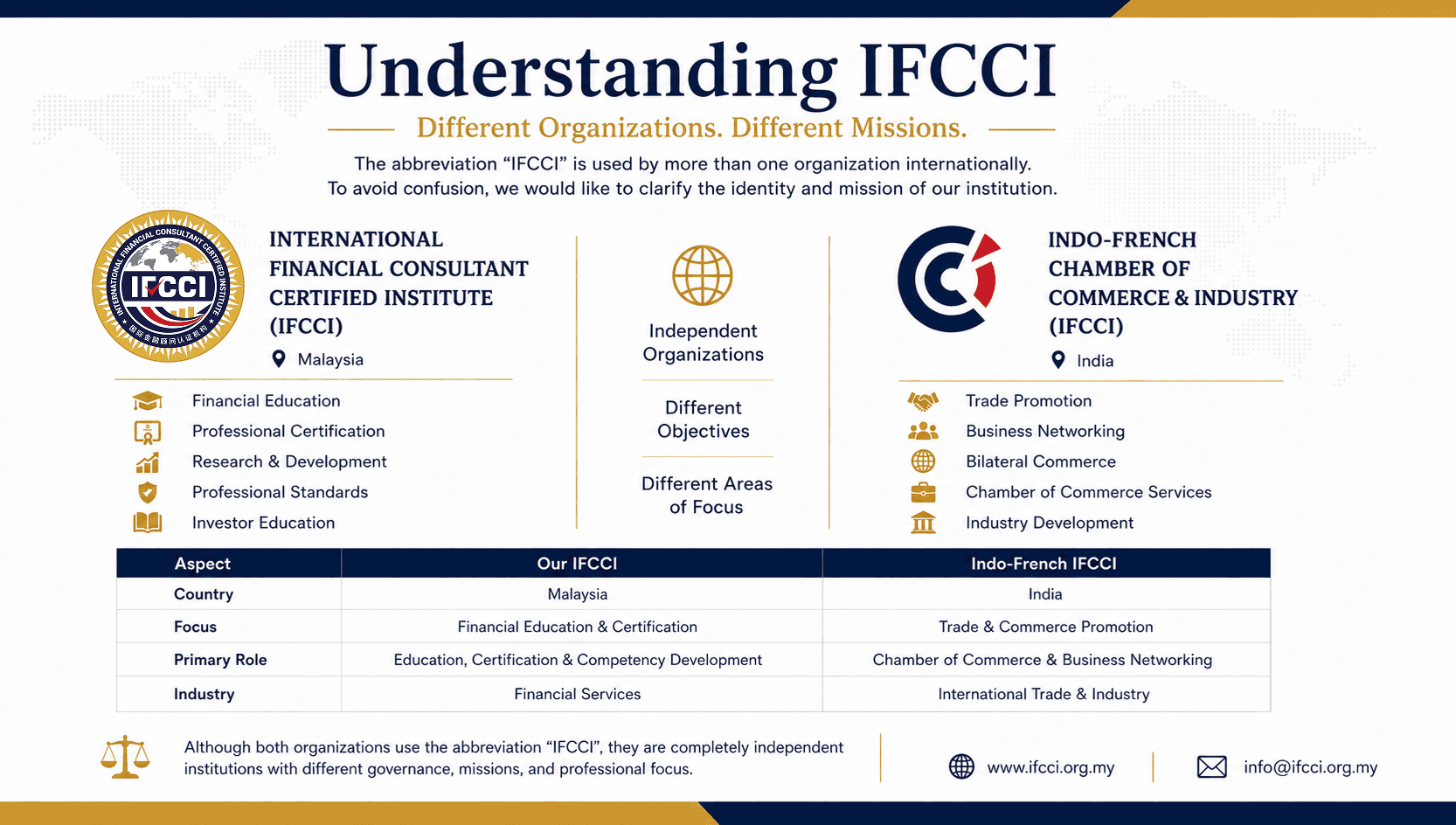
Understanding IFCCI: International Financial Consultant Certified Institute and Other Organizations Using the IFCCI Acronym
27 Jul 2026

Why International Financial Skills Championships Matter in Developing Global Financial Excellence
13 Jul 2026