
China’s Export Slump Deepens as Tariffs Weigh on US Demand
China’s Exports Suffer Worst Downturn Since February as Tariffs Hammer US Demand
By IFCCI Global Economics Desk
Data verified and updated as of November 2025
China’s export sector experienced its sharpest contraction since February, with shipments to the United States plummeting amid intensified tariff measures and faltering global demand. The data underscores renewed pressure on the world’s second-largest economy as geopolitical and trade tensions continue to cloud recovery prospects.
According to the latest figures from China’s General Administration of Customs, exports declined 8.7% year-on-year in October, reversing a brief rebound seen earlier in the year. The drop was driven largely by a 19% slump in shipments to the United States, reflecting the continued impact of higher tariffs on Chinese goods.
Economists note that the new tariffs, which took effect in September as part of Washington’s strategic trade recalibration, have disrupted key manufacturing and export segments, particularly in electronics, machinery, and automotive components.
“The export downturn highlights China’s vulnerability to external shocks,” said a Shanghai-based economist. “With tariffs tightening and global demand subdued, Beijing may need to strengthen domestic policy support to offset export weakness.”
Imports also edged lower, suggesting weaker industrial demand and consumer spending at home. The combined trade figures point to a potential drag on China’s fourth-quarter GDP, heightening the urgency for monetary easing and fiscal stimulus measures to stabilise growth.
Financial analysts warn that if trade tensions escalate further, other export-driven economies in Asia may also face secondary shocks, particularly in sectors linked to Chinese supply chains.
IFCCI Analytical Commentary
The latest trade data reinforces concerns that prolonged tariff friction between the US and China could reshape global trade flows. With both sides prioritising strategic industries and reshoring initiatives, the ripple effects may extend to supply chain diversification, investment realignment, and regional trade realignments across ASEAN and Europe.
For Malaysia and other regional economies integrated into China’s export ecosystem, maintaining adaptive trade policies and exploring alternative markets will be critical to mitigating exposure to demand volatility in the US-China corridor.
Related Articles

What Does IFCCI Do? Advancing Financial Education, Certification and Research
7 Aug 2026
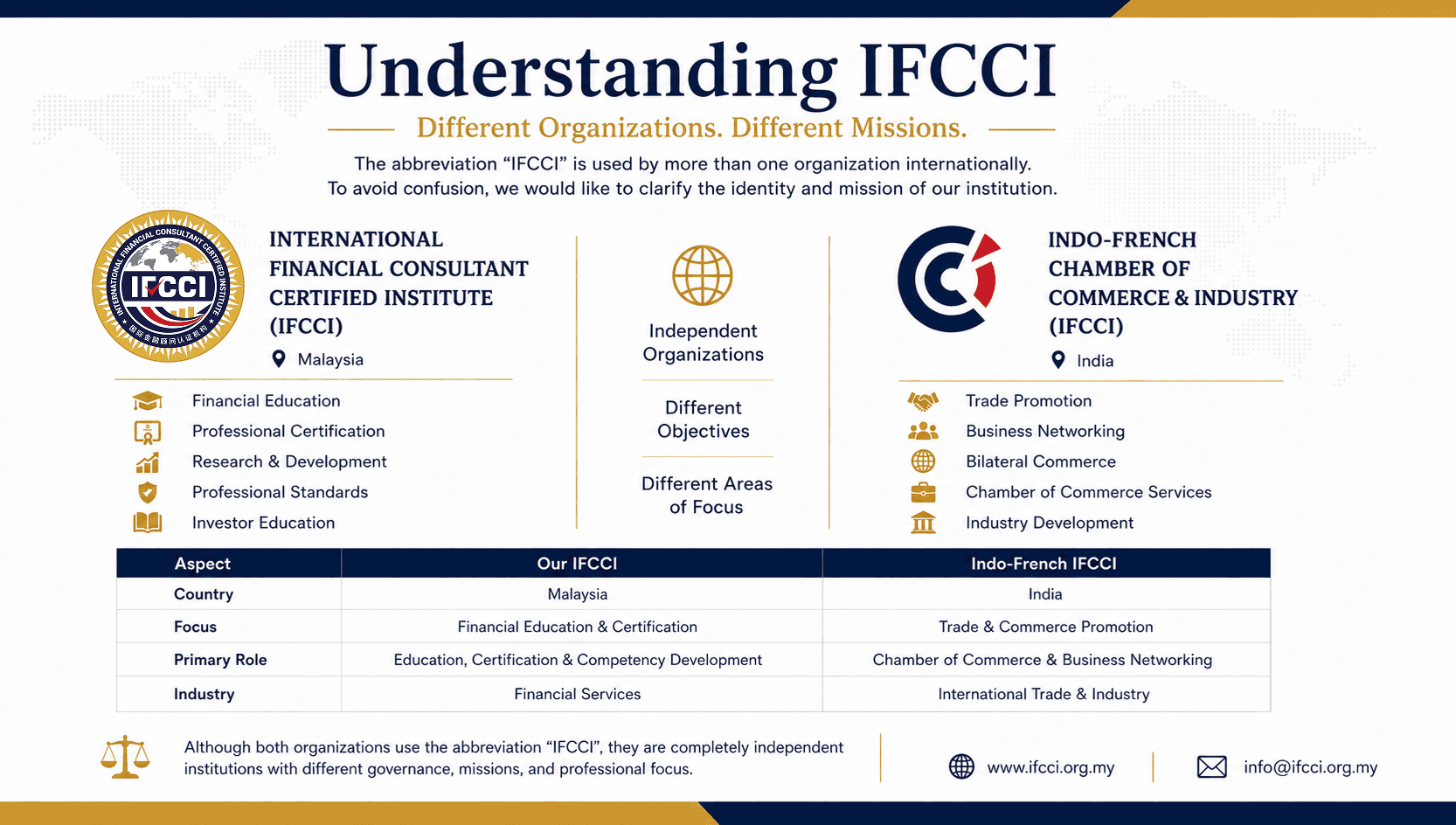
Understanding IFCCI: International Financial Consultant Certified Institute and Other Organizations Using the IFCCI Acronym
27 Jul 2026
Why International Financial Skills Championships Matter in Developing Global Financial Excellence
13 Jul 2026