
China Property Downturn: Calls Grow for Coordinated Policy Response
Greater Policy Support Needed to Stabilise China’s Property Market
China’s property sector, once the primary engine of the nation’s economic growth, continues to face prolonged headwinds despite incremental policy easing. Analysts warn that without stronger and more coordinated measures, the real estate downturn could drag on, posing risks not only to China’s domestic economy but also to global markets.
Property Market Under Pressure
Sales of new homes across major Chinese cities remain subdued, with developers struggling to restore buyer confidence. Housing prices in tier-two and tier-three cities have either stagnated or declined, while larger developers continue to grapple with liquidity strains.
Recent measures, including mortgage rate reductions, lower down-payment requirements, and targeted credit support, have provided short-term relief but are not sufficient to reverse the overall slowdown.
Calls for Stronger Policy Intervention
Economists argue that Beijing may need to adopt a broader, more aggressive policy toolkit, including direct fiscal support for struggling developers, expanded credit lines for first-time buyers, and targeted subsidies to address excess housing inventory.
“The market’s confidence remains fragile. Stabilisation will require coordinated efforts between monetary, fiscal, and regulatory authorities,” said a senior economist at a leading investment bank. “Without decisive policy action, the recovery may remain uneven and vulnerable.”
Broader Economic Implications
China’s property market accounts for nearly one-quarter of the country’s GDP when factoring in construction and related industries. A protracted slowdown could affect employment, consumer spending, and local government revenues.
Global investors are also watching closely, as weaker demand in China’s housing sector could dampen commodity markets — particularly steel, cement, and copper — and ripple into regional economies reliant on Chinese investment.
Balancing Reform and Growth
Policymakers face a delicate balancing act: stabilising the property market to protect households and businesses while avoiding a return to speculative excesses that previously fuelled the housing bubble. Market observers expect more comprehensive measures in the coming months, potentially including housing purchase incentives and reforms in land financing for local governments.
Related Articles

What Does IFCCI Do? Advancing Financial Education, Certification and Research
7 Aug 2026
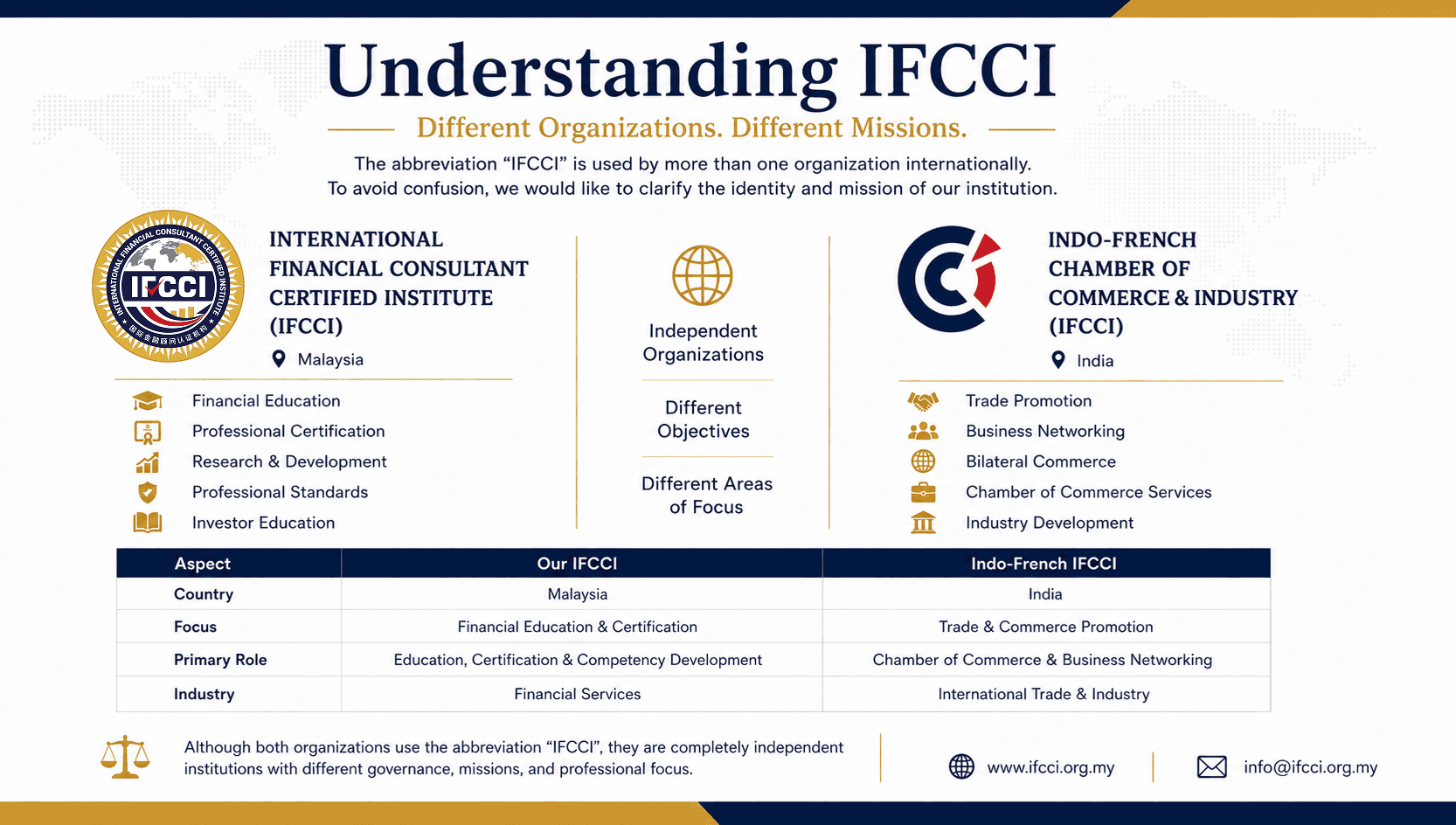
Understanding IFCCI: International Financial Consultant Certified Institute and Other Organizations Using the IFCCI Acronym
27 Jul 2026

Why International Financial Skills Championships Matter in Developing Global Financial Excellence
13 Jul 2026