BOJ to pledge more rate hikes at next week’s policy meeting
BOJ to Pledge More Rate Hikes at Next Week’s Policy Meeting, Sources Say
The Bank of Japan (BOJ) is preparing to signal its readiness to implement additional interest rate hikes at its upcoming policy meeting next week, according to sources familiar with internal discussions. The move would further solidify the central bank’s transition away from decades of ultra-loose monetary policy and reinforce its commitment to normalising rates amid persistent wage growth and resilient domestic demand.
If confirmed, the BOJ’s communication next week would mark one of the most assertive forward-guidance shifts since Japan exited negative interest rates earlier this year.
Policy Normalisation Gains Momentum
Officials privy to the deliberations indicated that the BOJ is increasingly confident that inflation—driven by wage gains, steady services demand, and broadening cost pass-through—is on a sustainable path above its 2% target. This confidence has strengthened the case for further incremental tightening in 2026.
Key policy considerations reportedly include:
- Strong spring wage negotiations, which have provided both headline and underlying wage momentum.
- Resilience in household consumption, despite higher borrowing costs.
- A narrowing output gap, reflecting improved industrial activity and capacity utilisation.
- Stable inflation expectations, which have drifted upward toward pre-pandemic levels.
While BOJ policymakers continue to emphasise that rate adjustments will remain gradual, the internal consensus appears to be shifting toward the need for more explicit guidance on upcoming tightening steps.
Exchange-Rate Pressures Add to Policy Urgency
The Japanese yen has remained under pressure despite Japan’s exit from negative rates, with markets continuing to price wide interest-rate differentials between Japan and other major economies, particularly the United States.
The BOJ is increasingly concerned that yen weakness is amplifying imported inflation and complicating household balance sheets. Signalling further rate hikes may serve as a policy tool to stabilise currency expectations without requiring immediate aggressive action.
Sources suggest that the BOJ sees communication as a crucial part of its strategy—allowing markets to prepare for a higher terminal rate while avoiding abrupt tightening that could undermine domestic recovery.
Focus on Structural Shifts in Inflation Dynamics
The BOJ’s evolving stance reflects a broader shift in Japan’s inflation landscape. Unlike earlier periods where inflation was driven by temporary supply shocks, the current environment features:
- Broad-based wage growth, especially in services
- Improving labour productivity in certain high-value sectors
- Increasing corporate pricing power, after decades of stagnation
- Greater alignment between wages and prices, indicating healthier economic functioning
For the BOJ, the combination of structural wage gains and supply-chain realignment has strengthened confidence that inflation can be maintained without extraordinary monetary support.
Market Expectations for Next Week
Market economists widely expect the BOJ to:
- Maintain the current policy rate unchanged at the meeting.
- Strengthen forward guidance, explicitly acknowledging the possibility of rate hikes in early 2026.
- Provide clearer explanations on how wage data and inflation metrics will guide the pace of normalisation.
- Signal a continued reduction in bond-purchase operations to support market functioning and yield discovery.
The BOJ is not expected to commit to a fixed rate-hike schedule. Instead, it may rely on qualitative guidance while emphasising data dependence.
IFCCI Assessment: Communication Strategy Will Lead the Next Phase
The IFCCI Research Division assesses that the BOJ’s transition into the next phase of its normalisation cycle will be defined more by strategic communication than by immediate policy tightening.
Japan’s domestic economy remains stable, but the BOJ must balance:
- The need to avoid excessive yen depreciation
- The importance of sustaining wage-driven inflation
- The risk of tightening too quickly and undermining post-pandemic recovery
- Growing capital-market sensitivity to global rate differentials
IFCCI expects the BOJ to continue tightening in measured steps throughout 2026, with a focus on maintaining policy credibility while nurturing Japan’s structural recovery.
Related Articles

What Does IFCCI Do? Advancing Financial Education, Certification and Research
7 Aug 2026
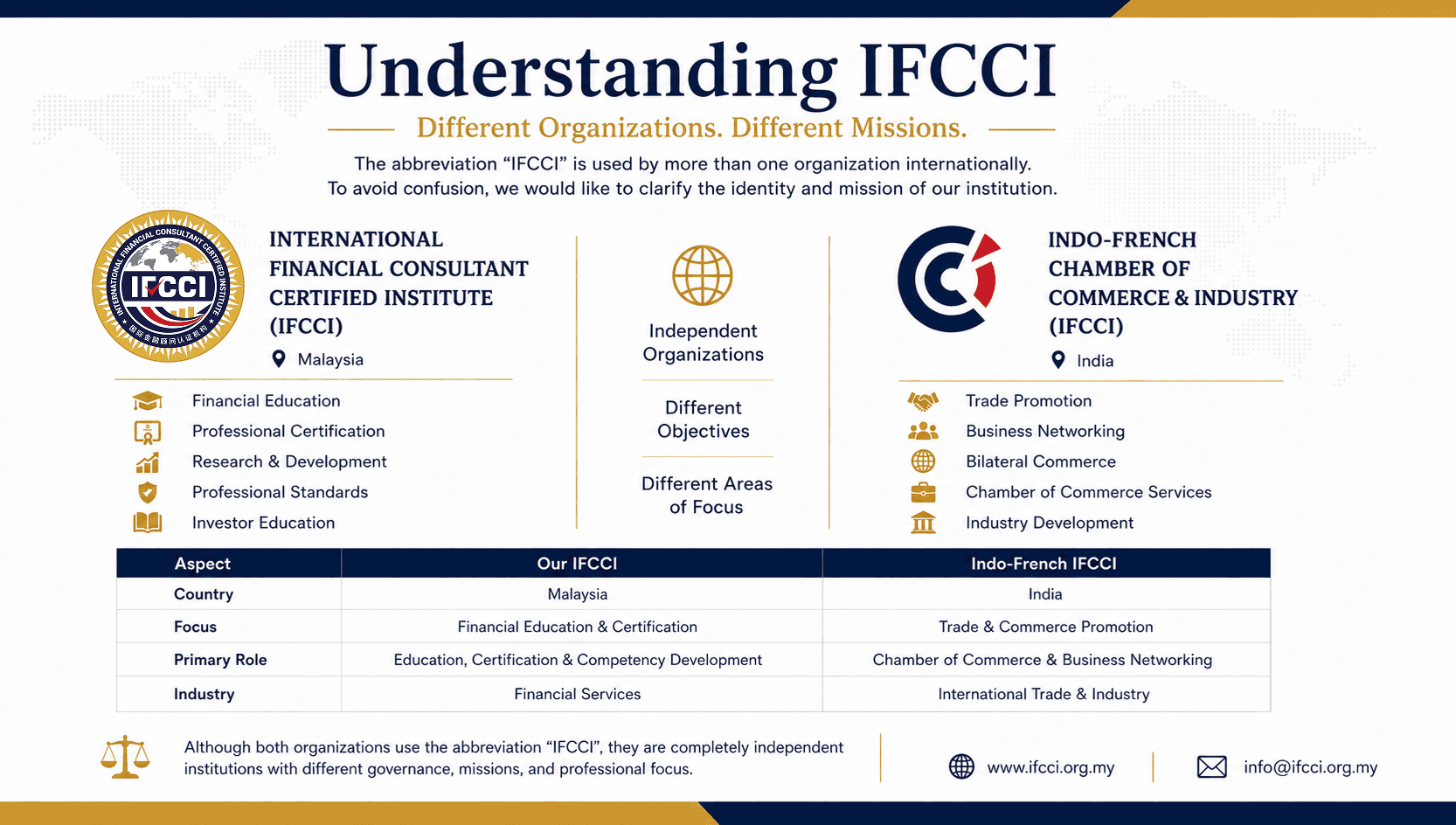
Understanding IFCCI: International Financial Consultant Certified Institute and Other Organizations Using the IFCCI Acronym
27 Jul 2026

Why International Financial Skills Championships Matter in Developing Global Financial Excellence
13 Jul 2026