
BOJ Seen Raising Rates to 1.5% Under Ueda’s Leadership
BOJ Likely to Hike Rates to 1.5% Under Ueda, Former Board Member Predicts
Introduction
Japan’s monetary policy is once again under the spotlight as a former Bank of Japan (BOJ) board member has forecasted that interest rates could rise to 1.5% under Governor Kazuo Ueda’s leadership. This projection comes at a time when global central banks are recalibrating their stance amid inflationary pressures, shifting capital flows, and heightened geopolitical uncertainty. For international investors and financial consultants, understanding BOJ’s potential policy trajectory is essential, as it will have ripple effects across currency markets, bond yields, and broader financial stability.
BOJ’s Policy Context: From Ultra-Easy to Gradual Tightening
For decades, the BOJ has maintained ultra-loose monetary policy, characterized by negative interest rates, yield curve control (YCC), and aggressive asset purchases. However, persistent inflation above the BOJ’s 2% target and wage growth momentum have fueled speculation of policy normalization.
Governor Kazuo Ueda, a seasoned economist and academic, has cautiously guided the BOJ towards gradual tightening, ending negative interest rates in 2024 and signaling flexibility in bond yield management. The former board member’s prediction of a 1.5% policy rate signals confidence that the BOJ could sustain higher rates without derailing economic recovery.
Why 1.5% Matters: Breaking Down the Forecast
The projection of a 1.5% rate is significant for several reasons:
- Historical Context
- Japan has not seen policy rates near 1.5% in over two decades.
- The move would represent a fundamental shift away from deflationary-era policies.
- Inflation Anchoring
- Sustained price pressures, driven by higher energy costs and a weaker yen, require a stronger monetary anchor.
- A 1.5% rate could help stabilize inflation expectations.
- Currency Implications
- Higher rates are likely to strengthen the yen (JPY), easing imported inflation but impacting export competitiveness.
- For forex traders, JPY carry trade dynamics may shift substantially.
- Financial Stability
- While gradual hikes may relieve asset bubbles, abrupt tightening risks triggering market volatility.
Market Reactions: Yen, Bonds, and Equities
- Foreign Exchange (FX): The yen has already shown signs of resilience on speculation of further tightening. A confirmed path to 1.5% could push USD/JPY lower, attracting safe-haven flows.
- Japanese Government Bonds (JGBs): A rise in rates will test investor demand, particularly for long-dated JGBs. Yield volatility could emerge if domestic institutions reduce their holdings.
- Equities: Higher rates may weigh on growth-sensitive equities but support financial sector earnings.
Global Implications of BOJ Policy Shift
A BOJ hike to 1.5% will not only reshape Japan’s domestic financial landscape but also reverberate globally:
- Capital Flows: Investors may reallocate from U.S. Treasuries or European bonds into yen-denominated assets.
- Monetary Policy Divergence: If the U.S. Federal Reserve pivots to rate cuts while the BOJ tightens, global currency alignments could shift dramatically.
- Emerging Markets: Stronger yen inflows could alter regional liquidity dynamics, especially in Asia-Pacific.
Strategic Insights for Financial Consultants
For IFCCI-certified financial consultants, monitoring BOJ policy adjustments provides valuable insights for:
- Currency Hedging Strategies
- Cross-border Portfolio Diversification
- Bond Duration Management
- Client Advisory on Interest Rate Risk
Conclusion
The forecast of BOJ raising rates to 1.5% under Ueda’s leadership reflects a pivotal moment in Japan’s monetary history. While the move could restore policy credibility and anchor inflation expectations, the transition poses risks for bond markets, corporate borrowing, and regional financial stability. Consultants and investors must prepare for a new era of Japanese monetary policy, where rate hikes are no longer unthinkable but increasingly probable.
Related Articles

What Does IFCCI Do? Advancing Financial Education, Certification and Research
7 Aug 2026
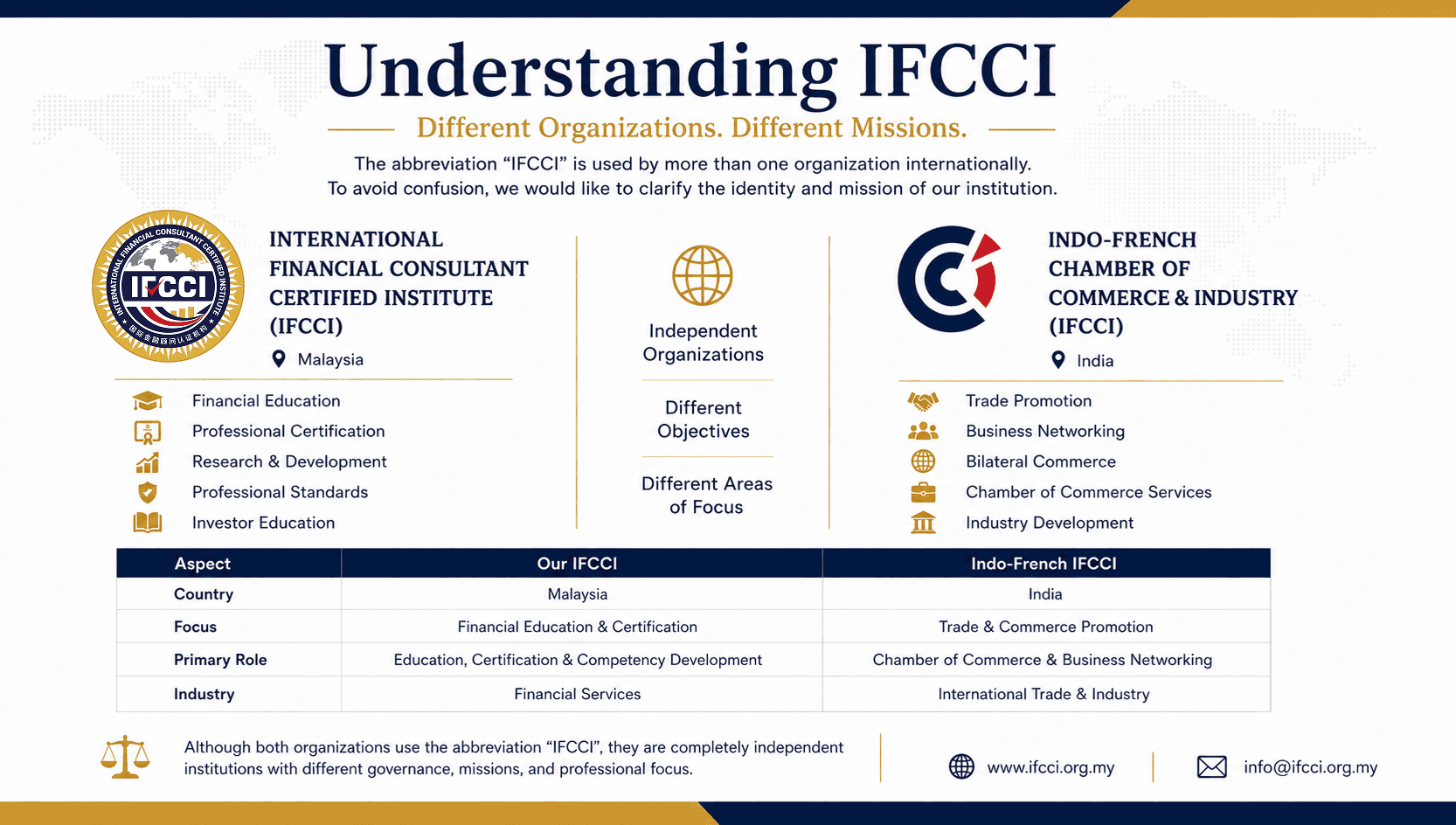
Understanding IFCCI: International Financial Consultant Certified Institute and Other Organizations Using the IFCCI Acronym
27 Jul 2026

Why International Financial Skills Championships Matter in Developing Global Financial Excellence
13 Jul 2026