
BOJ May Hike Rates from March, Up to Increases in 2026
Earlier and More Frequent Tightening in View
The Bank of Japan (BOJ) could begin raising interest rates as early as March and implement as many as three hikes during 2026, according to remarks from a senior Mizuho executive.
The comments signal growing market expectations that Japan’s monetary policy normalisation may accelerate following the country’s exit from negative interest rates.
Shift From Gradualism to Structured Tightening
For decades, Japan maintained ultra-loose monetary policy to combat deflationary pressures. However, structural shifts in inflation dynamics — particularly sustained wage growth — have altered the policy landscape.
Key factors supporting a potential tightening cycle include:
- Strong spring wage negotiations
- Services-sector inflation remaining resilient
- Inflation expectations stabilising above historical norms
- A narrowing output gap
If the BOJ proceeds with multiple hikes in 2026, it would represent the most consistent tightening cycle in Japan in many years.
March as a Possible Inflection Point
A March rate hike would be symbolically significant, as it would:
- Reinforce confidence in sustainable 2% inflation
- Signal reduced reliance on extraordinary monetary accommodation
- Demonstrate policy responsiveness to domestic economic momentum
However, the BOJ is expected to maintain a cautious communication strategy, emphasising data dependency rather than committing to a rigid schedule.
Implications for the Yen
Expectations of further rate increases could support the Japanese yen, particularly if:
- US rate cuts materialise
- Interest-rate differentials narrow
- Market participants reposition carry trades
A stronger yen would help ease imported inflation pressures but could weigh on export competitiveness.
Market Sensitivity
Financial markets are likely to monitor:
- Forward guidance language in upcoming BOJ statements
- Wage settlement data in the spring
- Core inflation persistence
- Bond purchase programme adjustments
Japanese government bond yields may continue to adjust higher if rate expectations become more firmly priced in.
Risks to the Outlook
Despite strengthening conditions, risks remain:
- A global growth slowdown could dampen export demand
- Yen appreciation may tighten financial conditions
- Household consumption could soften under higher borrowing costs
These uncertainties may temper the pace of tightening.
IFCCI Assessment: Conditional but Increasingly Probable
The IFCCI Research Division assesses that the probability of multiple BOJ rate hikes in 2026 has increased meaningfully.
Key observations:
- Wage-driven inflation appears more structurally embedded
- The BOJ is transitioning from extraordinary support toward conventional policy tools
- Policy normalisation will likely remain gradual but more predictable
A March hike would mark a continuation of Japan’s monetary realignment rather than a sudden shift.
Conclusion
Remarks suggesting that the BOJ could begin raising rates as early as March and potentially deliver up to three hikes in 2026 reflect evolving expectations for Japan’s monetary path. While the central bank is likely to proceed cautiously, sustained wage growth and stable inflation dynamics provide a foundation for continued normalisation.
Japan’s interest-rate trajectory will remain a central variable for currency markets, bond yields, and global capital flows throughout 2026.
Related Articles

What Does IFCCI Do? Advancing Financial Education, Certification and Research
7 Aug 2026
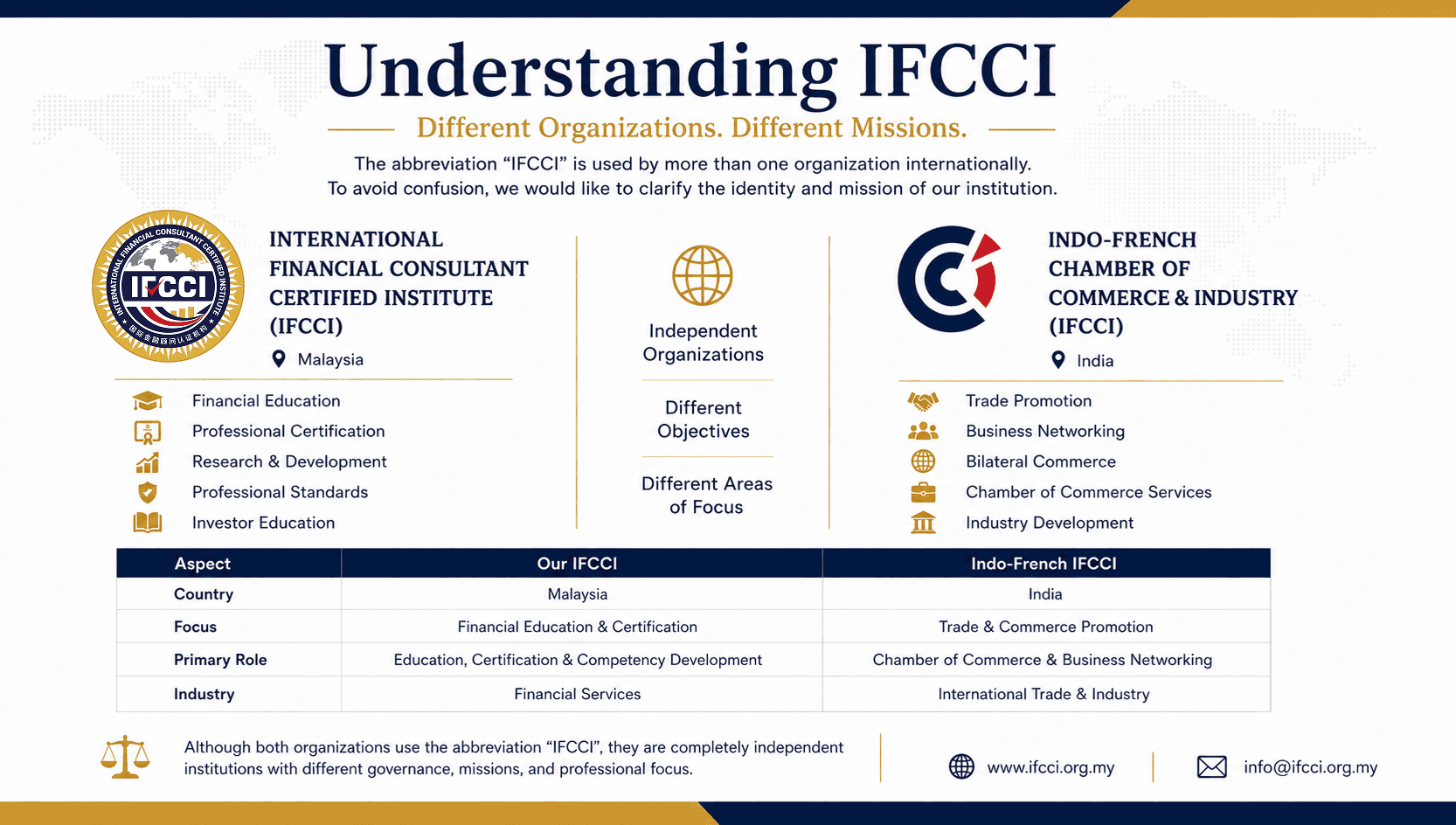
Understanding IFCCI: International Financial Consultant Certified Institute and Other Organizations Using the IFCCI Acronym
27 Jul 2026

Why International Financial Skills Championships Matter in Developing Global Financial Excellence
13 Jul 2026