
BOE's Mann Flags Persistent Core Inflation
Policymaker Signals Caution on Inflation Progress
Catherine Mann, a policymaker at the Bank of England, has indicated that UK core inflation has not improved as decisively as previously hoped. Her remarks suggest that underlying price pressures remain sticky, even as headline inflation moderates.
Core inflation — which excludes volatile food and energy components — is widely regarded as a more reliable gauge of persistent price dynamics.
Core Measures Remain Elevated
While headline inflation in the UK has shown gradual moderation, core components continue to reflect:
- Services-sector price persistence
- Wage-driven cost pressures
- Elevated input costs in labour-intensive industries
These factors complicate the central bank’s efforts to confirm that inflation is sustainably returning to its 2% target.
Implications for Interest Rate Policy
Mann’s comments signal that the policy debate within the Bank of England remains active. Key considerations include:
- Whether current restrictive rates are sufficiently dampening demand
- The risk of easing policy prematurely
- The trade-off between inflation control and growth stability
If core inflation remains firm, the Monetary Policy Committee may favour maintaining higher rates for longer rather than pivoting quickly toward easing.
Wage Dynamics at the Center
A central driver of UK core inflation has been wage growth. Although labour market tightness has eased relative to peak levels, pay growth remains above levels consistent with 2% inflation.
The sustainability of wage settlements in 2026 will likely determine the pace at which core inflation declines.
Market Reaction
Financial markets typically interpret such remarks as:
- Reducing expectations of near-term rate cuts
- Supporting short-term gilt yields
- Providing temporary support for sterling
However, forward guidance remains data-dependent, and policy shifts will hinge on upcoming inflation and labour market releases.
Broader Economic Context
The UK economy continues to navigate:
- Subdued growth momentum
- Persistent cost-of-living pressures
- Gradual rebalancing in the labour market
The challenge for policymakers is to maintain credibility on inflation while avoiding excessive tightening that could suppress recovery.
IFCCI Assessment: Disinflation Underway, but Incomplete
The IFCCI Research Division assesses that while UK inflation has moderated from prior peaks, core dynamics remain insufficiently aligned with target levels.
Key conclusions:
- Core inflation persistence justifies cautious policy
- Wage growth remains the primary upside risk
- Premature easing could undermine progress
Policy normalisation will likely proceed gradually, contingent on sustained evidence of underlying price stability.
Conclusion
Catherine Mann’s remarks highlight the ongoing challenge facing the Bank of England: headline inflation may be easing, but core measures remain more resilient than policymakers would prefer.
As 2026 progresses, core inflation and wage trends will remain decisive factors in shaping the UK’s interest-rate trajectory.
Related Articles

What Does IFCCI Do? Advancing Financial Education, Certification and Research
7 Aug 2026
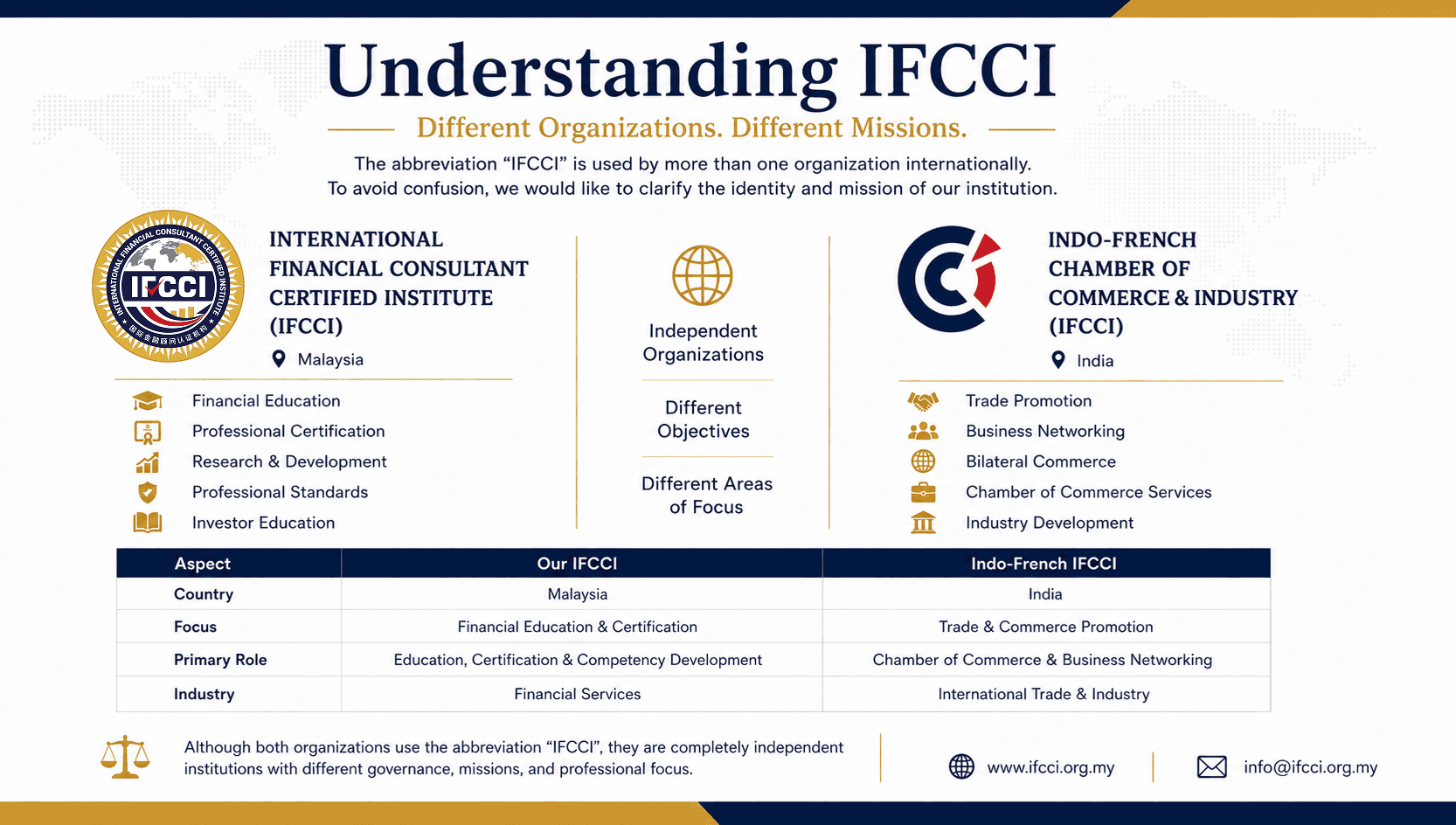
Understanding IFCCI: International Financial Consultant Certified Institute and Other Organizations Using the IFCCI Acronym
27 Jul 2026
Why International Financial Skills Championships Matter in Developing Global Financial Excellence
13 Jul 2026