
Black Friday Puts Spotlight on U.S. Consumer Spending
Wall St Week Ahead: Black Friday Puts Focus on Consumer Spending
By IFCCI News Desk
Wall Street will enter the shortened Thanksgiving trading week with renewed attention on the strength of U.S. consumer spending, as Black Friday and Cyber Monday loom large in shaping economic expectations for the final stretch of the year.
Analysts say the holiday shopping season will serve as a crucial barometer of household resilience amid persistent inflation, high borrowing costs, and moderating wage growth. Although retail sales have softened in recent months, investors are watching whether year-end promotions can revive momentum.
Retailers Brace for a Tighter Spending Environment
Market strategists expect consumers to remain value-driven, prioritising essentials over discretionary goods. Deep discounts across electronics, apparel, and home goods sectors are expected as retailers work to clear excess inventories.
Large chains such as Walmart, Target, and Amazon have already launched early promotions, signalling cautious expectations for peak shopping days.
Market Outlook Hinges on Holiday Demand
Equity markets may see heightened volatility as investors analyse real-time sales data and foot-traffic indicators. A stronger-than-expected Black Friday performance could lift retail and consumer discretionary stocks, while weaker figures may reinforce concerns about slowing economic momentum.
The technology sector may also come under scrutiny, as demand for consumer electronics—traditionally a Black Friday driver—faces pressure from tighter household budgets.
Economic Data Still in Focus
Aside from holiday spending, traders will also monitor U.S. economic releases, including the Federal Reserve’s preferred inflation gauge, the Personal Consumption Expenditures (PCE) index. Any upside surprise could further dampen expectations for early rate cuts in 2026.
Despite uncertainties, analysts maintain that the U.S. consumer remains a stabilising force, albeit with less spending power than in previous years.
Related Articles

What Does IFCCI Do? Advancing Financial Education, Certification and Research
7 Aug 2026
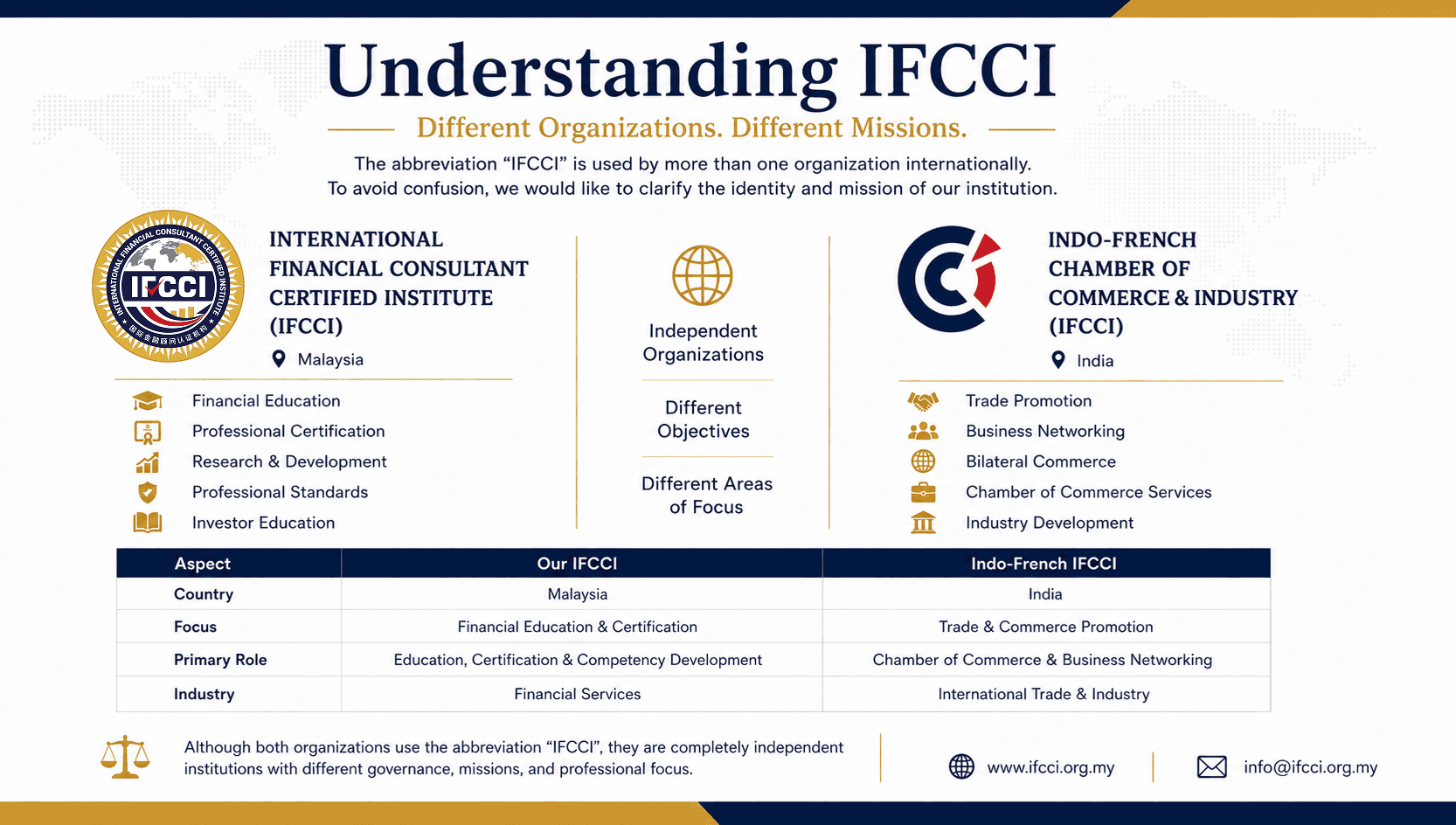
Understanding IFCCI: International Financial Consultant Certified Institute and Other Organizations Using the IFCCI Acronym
27 Jul 2026

Why International Financial Skills Championships Matter in Developing Global Financial Excellence
13 Jul 2026