
Bithumb Under Scrutiny Over $1.3B Bitcoin Reporting Error
Major Reporting Discrepancy Triggers Scrutiny
South Korea–based cryptocurrency exchange Bithumb is facing regulatory scrutiny after a reported $1.3 billion discrepancy involving Bitcoin holdings. The error has prompted concerns regarding internal controls, financial oversight, and asset reporting accuracy.
Authorities are reportedly reviewing whether the discrepancy stemmed from accounting misclassification, system reconciliation failures, or broader governance weaknesses.
Financial Oversight Under the Microscope
Large-scale accounting inconsistencies in digital asset platforms often raise questions around:
- Asset-liability reconciliation processes
- Segregation of client funds
- Internal audit frameworks
- Proof-of-reserves transparency
Even if the discrepancy does not imply asset loss, inaccurate reporting can materially undermine market confidence.
Governance and Compliance Implications
The incident highlights the increasing regulatory expectations placed on centralised exchanges, particularly in jurisdictions such as South Korea, where digital asset oversight has intensified in recent years.
Exchanges are expected to maintain:
- Robust real-time ledger reconciliation
- Independent audit verification
- Clear disclosure standards
- Effective risk management frameworks
Failure in any of these areas may trigger supervisory intervention.
Market Confidence and Counterparty Risk
Accounting irregularities can influence market sentiment in several ways:
- Heightened withdrawal activity
- Increased scrutiny from institutional partners
- Temporary liquidity strain
- Reputational impact
The speed and transparency of corrective measures will likely determine the extent of broader market disruption.
Systemic Risk Assessment
While $1.3 billion is a significant nominal figure, systemic risk depends on:
- Whether customer funds remain fully backed
- The operational continuity of the exchange
- Interconnected exposure to other platforms
- Clarity of forensic findings
If the issue is confined to reporting rather than solvency, broader contagion risk may remain limited.
Regulatory Context in South Korea
South Korea has strengthened digital asset compliance standards following prior market disruptions. Regulators have increasingly emphasised:
- Reserve transparency
- Corporate governance accountability
- Enhanced supervisory oversight
- Investor protection mechanisms
The investigation into Bithumb may reinforce the push toward stricter compliance regimes.
IFCCI Assessment: Governance Risk, Not Yet Structural Instability
The IFCCI Research Division assesses that the reported discrepancy primarily represents a governance and internal control concern rather than confirmed insolvency.
Key observations:
- Transparent disclosure will be critical to restoring confidence
- Independent audit verification may mitigate reputational damage
- Regulatory tightening in the region could accelerate
Investor reaction will depend on whether corrective actions are swift and comprehensive.
Conclusion
The $1.3 billion Bitcoin reporting error at Bithumb has triggered regulatory scrutiny and renewed debate around exchange-level financial oversight. While no confirmed asset impairment has been disclosed, the episode underscores the importance of robust governance standards in the digital asset sector.
As regulators intensify compliance requirements, exchanges will face increasing pressure to demonstrate operational transparency and financial accountability.
Related Articles

What Does IFCCI Do? Advancing Financial Education, Certification and Research
7 Aug 2026
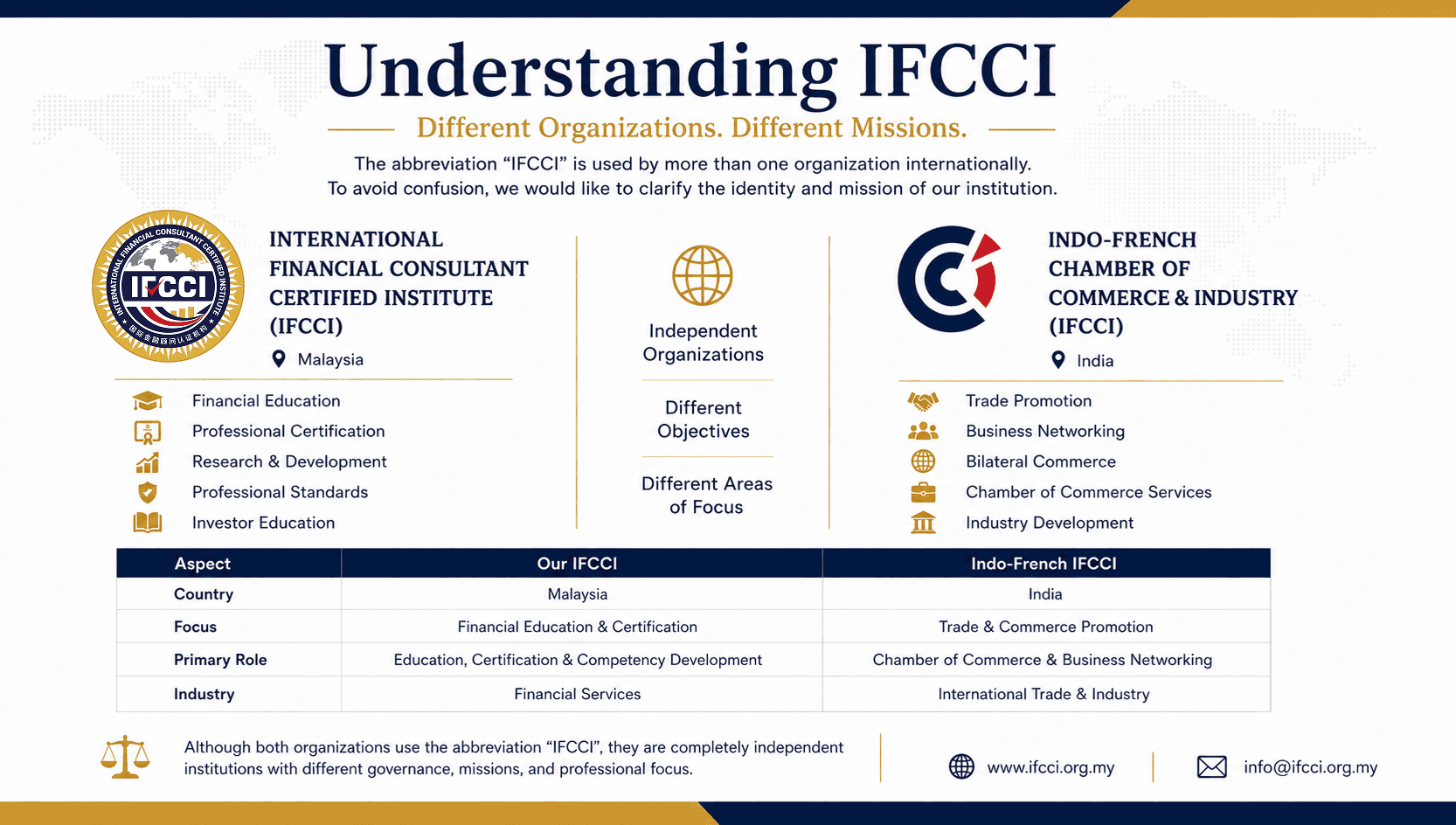
Understanding IFCCI: International Financial Consultant Certified Institute and Other Organizations Using the IFCCI Acronym
27 Jul 2026

Why International Financial Skills Championships Matter in Developing Global Financial Excellence
13 Jul 2026