
Bitcoin Drop Boosts Stablecoin Payrolls in Asia
Bitcoin’s Decline Highlights the Rise of Crypto Payroll Solutions Across Asia
As Bitcoin’s Coinbase Premium weakens, new opportunities are emerging across Asia’s digital payment landscape. The drop in U.S. demand for Bitcoin is signaling a shift — one where stablecoins are stepping up as the preferred tool for crypto payroll solutions. This evolution is reshaping how businesses and employees interact with digital assets in the workplace.
Bitcoin’s Coinbase Premium: A Signal of Caution
The Coinbase Premium Index, a key indicator of U.S. spot buying activity, has shown noticeable weakness recently. A lower premium suggests reduced U.S. demand for Bitcoin, reflecting investor caution amid market volatility.
Analyst Maartunn notes that “selling pressure from older coins could act as a short-term hurdle,” hinting that Bitcoin may face turbulence in the near term.
Despite this, Bitcoin remains above $110,000, supported by steady demand. Still, the cooling Coinbase Premium could mark a temporary slowdown in institutional appetite — and a potential window for alternative crypto assets to shine.
Gen Z’s Push for Crypto Payroll
The younger workforce, particularly Gen Z, is driving the adoption of crypto payrolls. They value flexibility, efficiency, and transparency — and getting paid in digital assets aligns perfectly with their tech-first mindset.
More companies across Asia are responding by offering crypto-based salary options, often in stablecoins rather than volatile tokens like Bitcoin. This approach not only appeals to digital-native workers but also positions businesses as forward-thinking employers in an evolving labor market.
Stablecoins: A Safe Haven for Remote and Global Workers
Unlike Bitcoin, stablecoins are pegged to traditional assets such as the U.S. dollar, providing stability amid inflation and market swings. For remote employees — especially in regions with high inflation such as Argentina or Turkey — stablecoin payments offer a reliable store of value.
Receiving salaries in USDT or USDC helps preserve purchasing power and offers financial predictability, something traditional payroll systems often fail to guarantee in unstable economies. This has made stablecoins an essential part of the modern global workforce toolkit.
Crypto Payroll Goes Mainstream in Asia
The trend toward crypto payroll systems is accelerating as Asia’s regulatory landscape becomes more supportive. Governments and financial hubs in Hong Kong, Japan, and South Korea are paving the way with clear rules, Bitcoin ETFs, and broader crypto integration.
Businesses adopting stablecoin payroll solutions enjoy faster payments, lower fees, and smoother cross-border transactions — benefits that enhance operational efficiency and attract top global talent. What was once a niche experiment is now transforming into a viable payroll infrastructure across industries.
Outlook: The Future of Work Is Crypto-Powered
While Bitcoin’s Coinbase Premium decline may reflect cooling sentiment in the U.S., it doesn’t slow Asia’s momentum toward digital payroll innovation. The case for crypto payroll — cost efficiency, inflation protection, and employee satisfaction — remains as strong as ever.
As more companies modernize their compensation systems, stablecoins are set to anchor the future of global payroll, offering secure, borderless, and equitable payment solutions in the digital economy.
Related Articles

What Does IFCCI Do? Advancing Financial Education, Certification and Research
7 Aug 2026
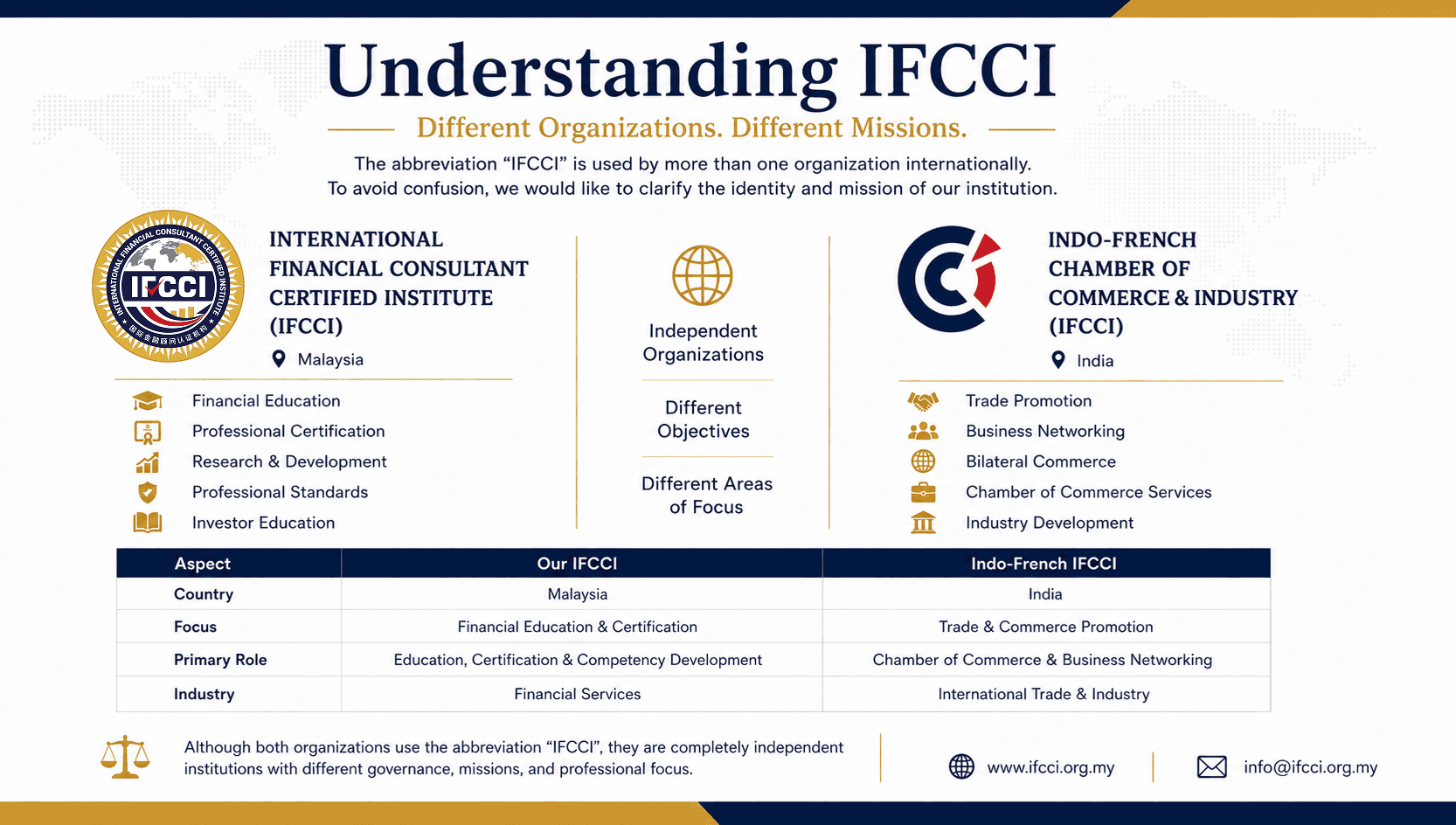
Understanding IFCCI: International Financial Consultant Certified Institute and Other Organizations Using the IFCCI Acronym
27 Jul 2026

Why International Financial Skills Championships Matter in Developing Global Financial Excellence
13 Jul 2026