
Binance Faces Criticism Freezing Only 17% of Assets Linked
Binance Under Fire Following Partial Asset Freeze
Binance has come under increasing scrutiny after reports revealed that the exchange froze only 17% of assets requested in connection with the recent security breach at South Korea–based exchange Upbit. The limited response has triggered criticism from industry observers, who argue that stronger and faster inter-exchange cooperation is essential in mitigating the fallout from large-scale crypto hacks.
The incident has reignited debate around exchange accountability, cross-platform coordination, and crisis response standards within the global digital asset ecosystem.
Details of the Asset Freeze
According to sources familiar with the matter, Upbit requested multiple exchanges to freeze wallets suspected of receiving illicit funds following the hack. While several platforms reportedly acted swiftly, Binance confirmed that it froze only a fraction of the requested assets—approximately 17% of the total amount flagged.
Binance stated that its actions were constrained by internal compliance protocols, transaction traceability thresholds, and legal verification requirements. However, critics argue that such limitations expose weaknesses in the industry’s collective response to cybercrime.
Industry Concerns Over Inter-Exchange Cooperation
The partial freeze has raised several critical concerns:
- Speed of response: Delays in freezing suspicious assets can allow hackers to launder or obfuscate stolen funds.
- Standardisation gaps: There is no unified global framework governing how exchanges should respond to hack-related asset freeze requests.
- Compliance vs agility: While exchanges must adhere to regulatory requirements, excessive procedural rigidity may undermine effective incident containment.
Market participants warn that inconsistent responses across major platforms risk eroding trust among users and regulators alike.
Regulatory and Market Implications
The incident may attract heightened attention from regulators, particularly in jurisdictions where exchanges are expected to demonstrate robust anti-money laundering (AML) and counter-terrorism financing (CTF) controls.
Key implications include:
- Regulatory scrutiny – Authorities may push for clearer obligations on exchanges regarding cross-border cooperation during security incidents.
- Reputation risk – Limited action during high-profile hacks can damage an exchange’s standing with institutional partners and retail users.
- Operational reforms – The case may accelerate calls for shared incident-response protocols and real-time information-sharing mechanisms among exchanges.
Binance’s Position
Binance has maintained that it acted in line with its compliance framework, emphasising that asset freezes must meet evidentiary and legal standards to avoid wrongful action. The exchange also noted that it continues to cooperate with law enforcement and affected platforms where possible.
Nonetheless, critics argue that market leadership carries heightened responsibility, especially during systemic security events affecting user funds and market confidence.
IFCCI Assessment
The IFCCI Research Division views this episode as a structural stress test for the crypto exchange ecosystem rather than an isolated operational dispute.
Key observations:
- Fragmented crisis response remains a systemic vulnerability in digital asset markets.
- Lack of harmonised standards for inter-exchange cooperation undermines collective security.
- Future regulatory frameworks are likely to mandate clearer timelines and thresholds for asset freezes following confirmed hacks.
IFCCI emphasises that as crypto markets mature, exchanges will increasingly be assessed not only on trading efficiency and liquidity, but also on governance, accountability, and crisis management capability.
Outlook
The Upbit hack and the subsequent criticism of Binance may serve as a catalyst for:
- Stronger industry-wide coordination mechanisms
- More explicit regulatory expectations on incident response
- Greater transparency in how exchanges handle asset freeze requests
As digital asset markets continue to institutionalise, the ability of major exchanges to act swiftly and collaboratively during security crises will be central to maintaining market integrity and public trust.
Related Articles

What Does IFCCI Do? Advancing Financial Education, Certification and Research
7 Aug 2026
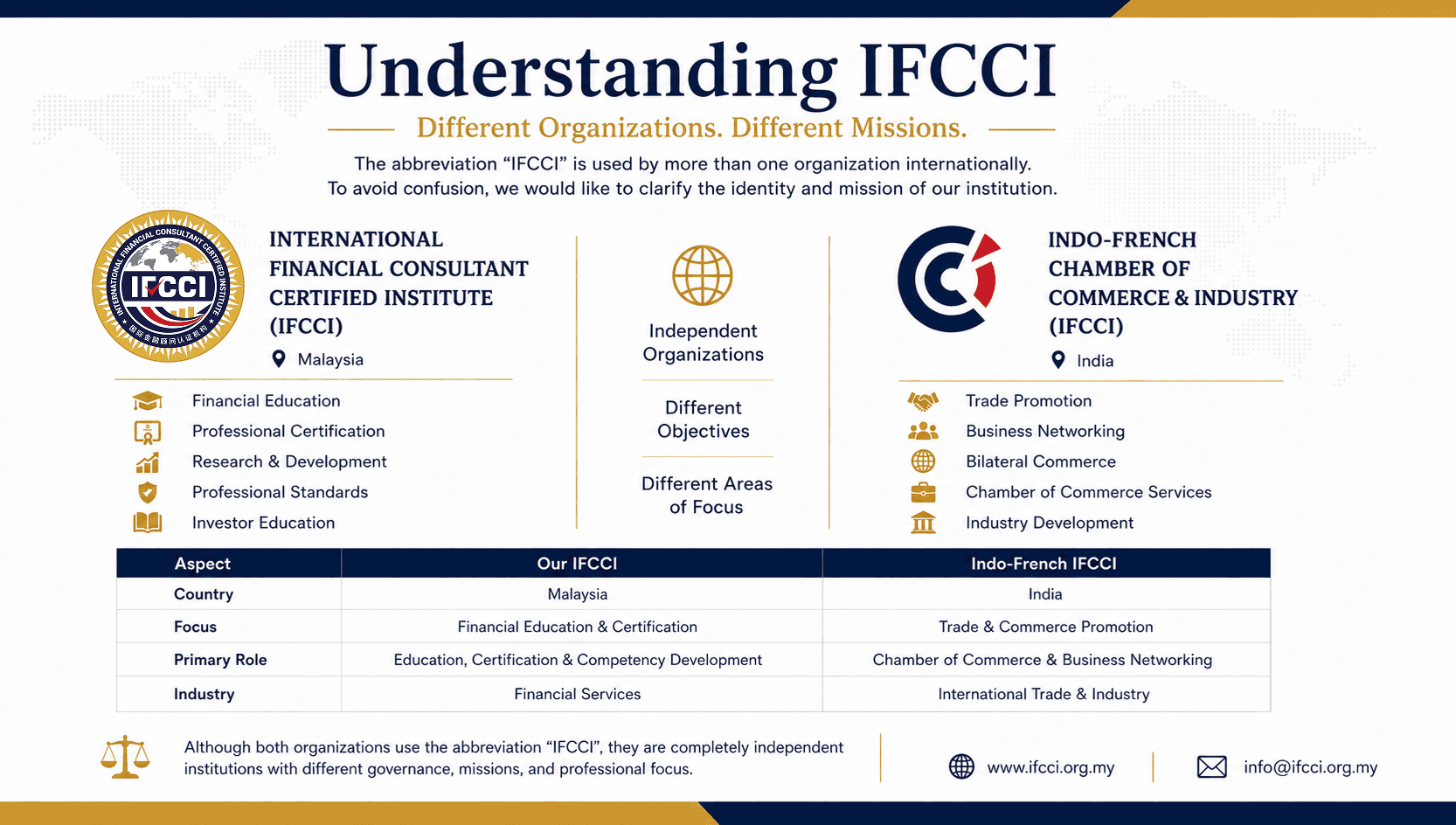
Understanding IFCCI: International Financial Consultant Certified Institute and Other Organizations Using the IFCCI Acronym
27 Jul 2026

Why International Financial Skills Championships Matter in Developing Global Financial Excellence
13 Jul 2026