
Bargain Hunting Lifts FBM KLCI as Regional Markets Decline
Bargain Hunting Lifts FBM KLCI Higher While Regional Markets Slip
By IFCCI News Desk
Malaysia’s benchmark FBM KLCI closed higher on Monday, supported by selective bargain hunting in index-linked stocks, even as most regional markets retreated on cautious global sentiment.
The key index registered modest gains driven primarily by buying interest in banking, utilities, and telecommunications counters, offsetting external pressures triggered by weakening risk appetite in Asia. Analysts noted that Malaysia’s equity market outperformed its regional peers as investors took advantage of recent price pullbacks among blue-chip names.
Regional Markets Weaken on Global Cues
Across Asia, major indices slipped as investors assessed renewed concerns over global economic momentum, persistent inflationary risks, and a softer outlook for US technology valuations. Markets in Hong Kong, South Korea, and Japan all ended lower, reflecting caution ahead of upcoming US economic data releases.
However, analysts observed that Malaysian equities demonstrated relative resilience, supported by stable domestic demand and sustained institutional participation.
Local Buying Interest Cushions Index
Market strategists said the uptick in the FBM KLCI was underpinned by rotation into defensive and fundamentally strong sectors, as investors looked for near-term stability amid global volatility. Banking stocks remained a key beneficiary, while utility and telco counters provided additional support to the index.
The broader market, however, saw mixed performance, with small-cap and ACE Market counters experiencing continued consolidation following recent gains.
Outlook: Consolidation With Upside Potential
Looking ahead, analysts expect the FBM KLCI to trade within a steady range, supported by domestic catalysts including policy clarity from the government, earnings updates from key corporates, and improving foreign inflows.
They added that Malaysia’s equity market could continue to outperform regional peers should global volatility persist, given the market’s defensive composition and relatively attractive valuations.
Related Articles

What Does IFCCI Do? Advancing Financial Education, Certification and Research
7 Aug 2026
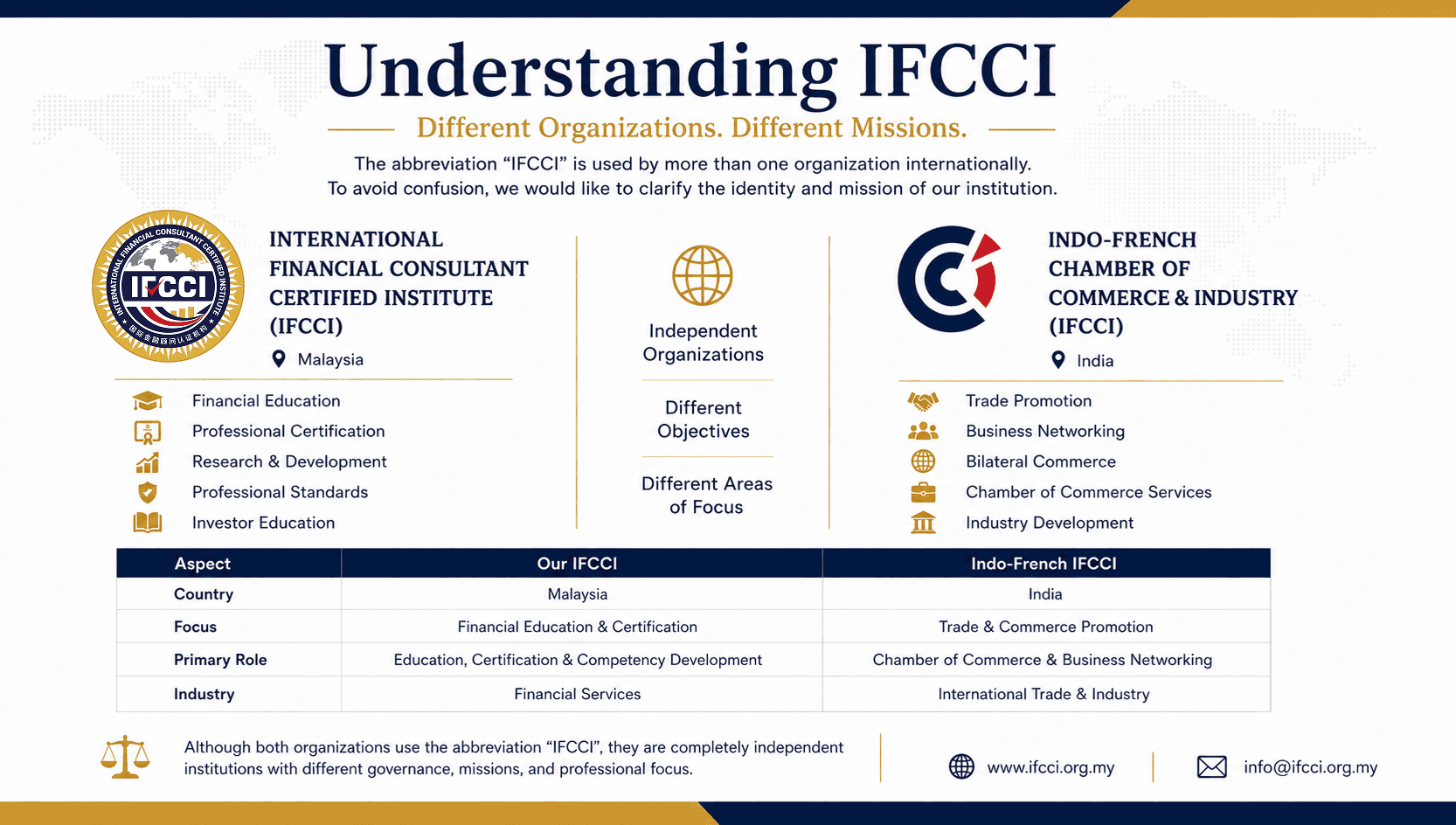
Understanding IFCCI: International Financial Consultant Certified Institute and Other Organizations Using the IFCCI Acronym
27 Jul 2026
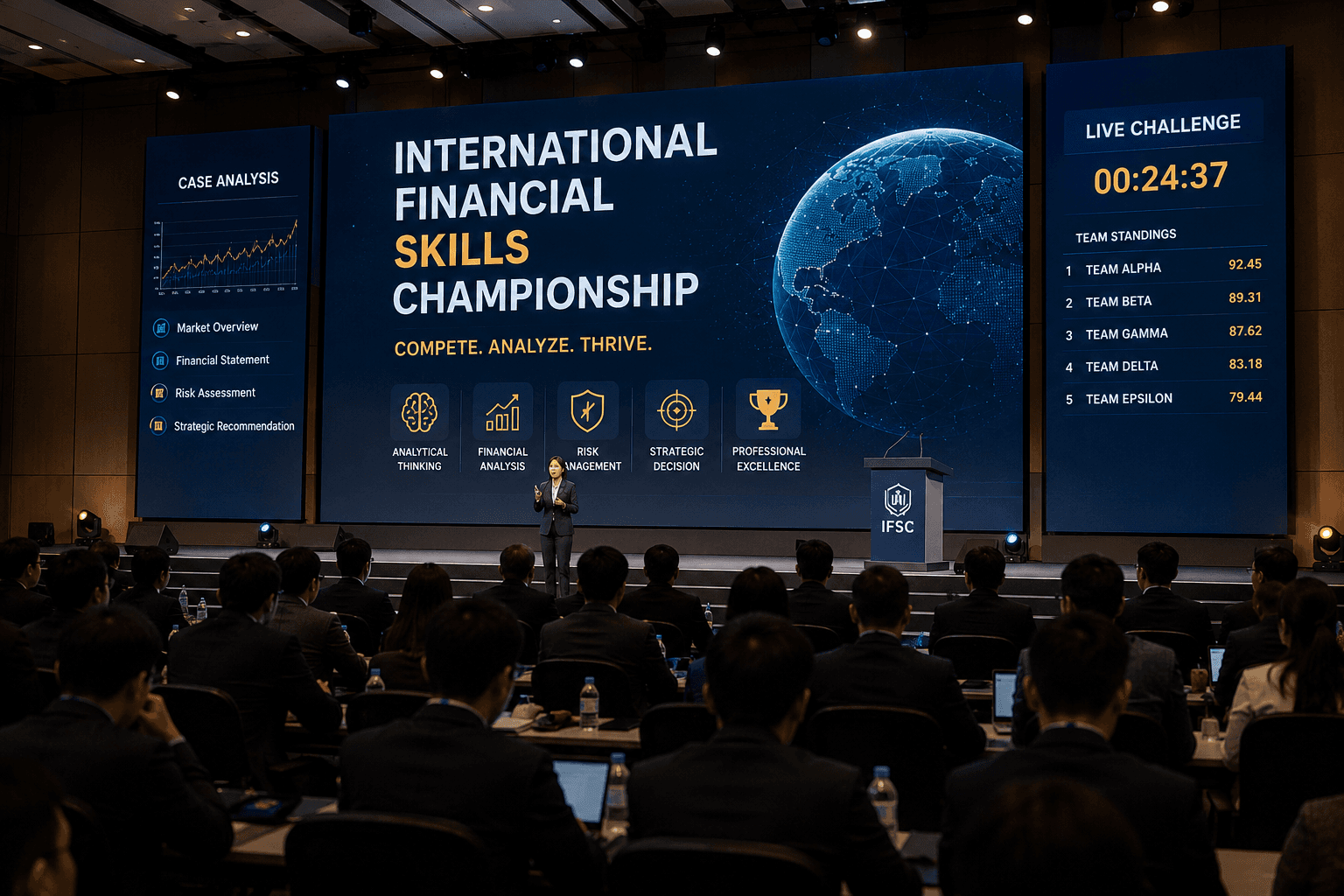
Why International Financial Skills Championships Matter in Developing Global Financial Excellence
13 Jul 2026