
A Fragile Recovery in a Post-Tightening Landscape
The United Kingdom’s economy enters the final quarter of 2025 in a state of cautious transition. While growth has avoided outright contraction, momentum remains subdued as the lingering effects of monetary tightening, fiscal restraint, and tepid consumer sentiment weigh on activity.
The Office for National Statistics (ONS) recently reported quarterly GDP growth of 0.2%, signalling an economy that continues to expand, albeit marginally. Domestic demand remains under pressure, and investment appetite has cooled amid persistent cost concerns and global uncertainty.
Economists describe this period as one of “stabilised fragility” — where a recession has been narrowly avoided, but sustained recovery remains elusive.
Inflation: The Turning Point Takes Hold
After nearly two years of persistent inflation, price pressures are finally easing. Headline CPI inflation has declined to 2.3%, nearing the Bank of England’s (BoE) target for the first time since 2021. Core inflation, though still elevated at 3.1%, reflects underlying resilience in services and wage growth.
The moderation in inflation stems largely from declining energy costs and stabilised food prices, while base effects from earlier spikes have gradually faded. However, the persistence of wage pressures complicates the BoE’s path to policy normalisation.
The central bank’s latest Monetary Policy Report highlights that “while inflation has fallen faster than expected, underlying price persistence remains stronger than desired.” This underscores the institution’s cautious tone even as markets begin pricing in potential rate cuts for 2026.
Labour Market: Cooling, Not Collapsing
The UK labour market continues to cool gradually, with the unemployment rate rising modestly to 4.6% and job vacancies declining for a sixth consecutive month. Wage growth remains firm at 4.8%, down from its peak of 7% in mid-2024, reflecting both easing labour demand and structural tightness in key sectors such as healthcare, logistics, and professional services.
Analysts at the Institute for Fiscal Studies (IFS) note that while real wages are finally positive, household disposable income remains compressed by higher borrowing costs and elevated tax burdens. The resulting cautious consumer behaviour continues to dampen retail and services output.
Fiscal Policy: Restraint Amid Political Pressure
Chancellor Rachel Reeves faces a delicate balancing act between fiscal credibility and growth support. With public debt exceeding 97% of GDP, the government has prioritised consolidation measures — including selective spending restraint and the deferral of certain infrastructure projects — to maintain investor confidence.
Markets have responded positively to signals of discipline. The UK 10-year Gilt yield has stabilised near 2.45%, down nearly 60 basis points from its August highs, reflecting both lower inflation expectations and improved fiscal credibility. However, concerns persist that excessive caution could limit investment in productivity-enhancing sectors such as technology and green energy.
The Office for Budget Responsibility (OBR) projects that fiscal headroom remains narrow, leaving little margin for pre-election stimulus without risking market volatility.
External Sector and Sterling Outlook
The external balance remains a structural challenge. Despite a modest improvement in the current account deficit to –3.1% of GDP, the UK remains reliant on foreign capital inflows. Sterling has traded within a stable range against the dollar, around 1.27–1.30, as rate differentials narrow and market risk sentiment stabilises.
Export performance has been mixed, with goods exports constrained by global demand weakness, while services — particularly financial and professional — continue to outperform. The City of London remains resilient, though ongoing regulatory divergence from the EU adds long-term uncertainty to cross-border financial flows.
Monetary Policy: The Next Move
The Bank of England has maintained the Bank Rate at 4.75%, emphasising data dependency. The Monetary Policy Committee (MPC) remains divided, with some members signalling readiness to pivot in early 2026 if disinflation persists.
Governor Andrew Bailey recently stated that “we are at or very close to the peak of the tightening cycle,” suggesting that the next phase will involve cautious calibration rather than aggressive easing. The market currently prices in two rate cuts by the end of 2026, contingent on inflation returning sustainably to the 2% target.
Structural Outlook: Productivity and Investment Gaps
Beyond cyclical indicators, the UK faces enduring structural challenges. Productivity growth remains sluggish, averaging just 0.4% annually since 2020, while business investment as a share of GDP lags most G7 peers.
The government’s emphasis on innovation-led growth — including incentives for AI, renewable energy, and fintech — has yet to yield substantial output gains. Analysts warn that without clear policy continuity, the “low-growth trap” could persist well into the decade.
Conclusion: A Recovery in Search of Momentum
The UK economy stands at a critical juncture — resilient, yet vulnerable. Inflation is moderating, financial stability is improving, and fiscal prudence has restored some market confidence. Yet growth remains shallow, productivity sluggish, and investment hesitant.
For policymakers, the challenge will be sustaining disinflation while reigniting domestic demand and investment without undermining fiscal integrity. For investors, the near-term outlook offers limited upside but improving predictability — a welcome change after years of turbulence.
In the words of one IFCCI analyst:
“The UK economy is not faltering, but neither is it flourishing — it is learning to live with restraint.”
Related Articles

What Does IFCCI Do? Advancing Financial Education, Certification and Research
7 Aug 2026
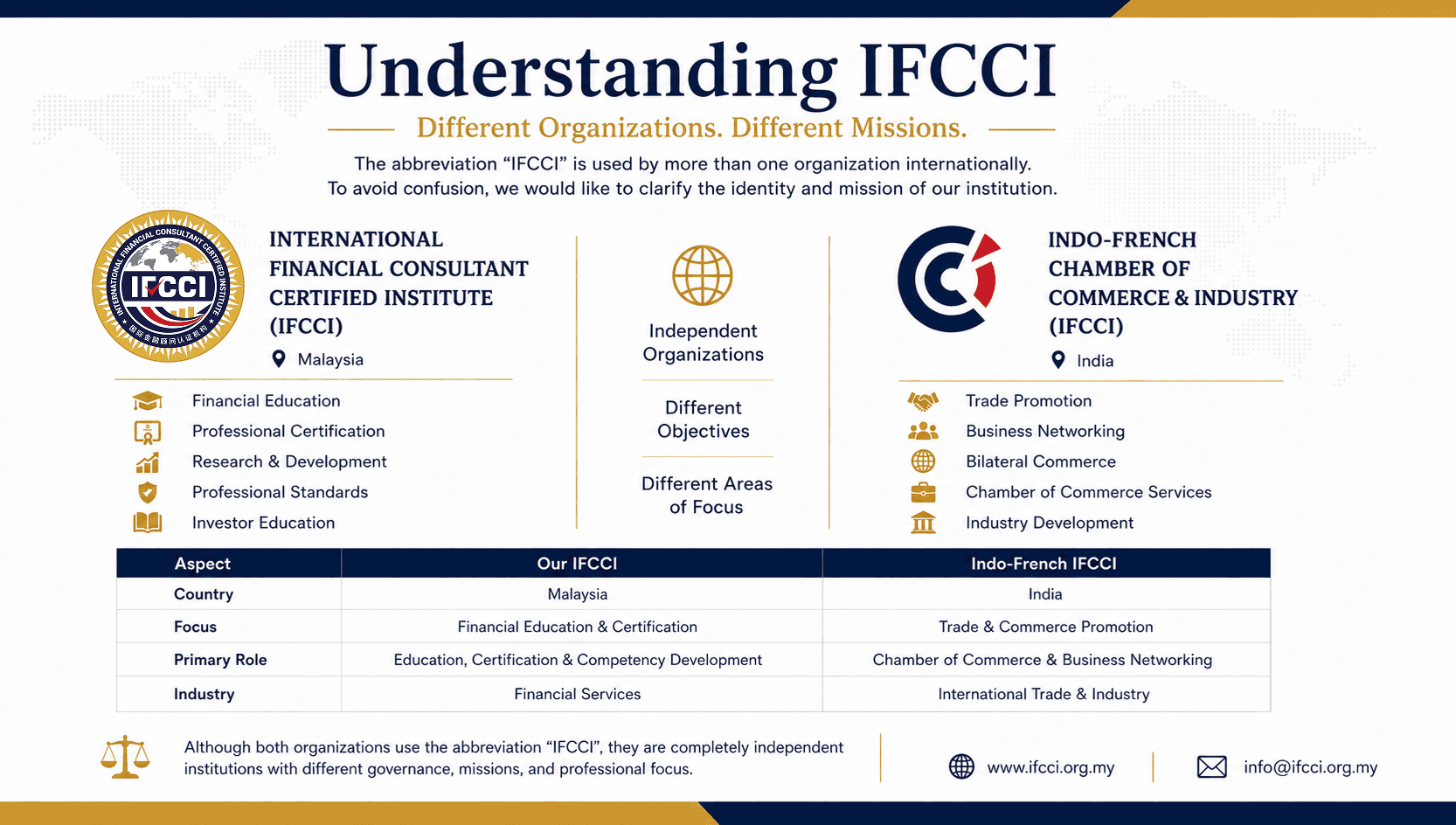
Understanding IFCCI: International Financial Consultant Certified Institute and Other Organizations Using the IFCCI Acronym
27 Jul 2026

Why International Financial Skills Championships Matter in Developing Global Financial Excellence
13 Jul 2026