
$1.1 Trillion Crypto Wipeout Marks Start of New Market Era
Analyst Says $1.1T Wipeout Signals New Era for Crypto Markets
By IFCCI News Desk
Data verified and updated as of November 2025
A prominent digital asset strategist says the recent $1.1 trillion drawdown across global crypto markets is more than a cyclical correction — it marks the beginning of a new structural phase that could redefine market behaviour, liquidity patterns, and institutional participation in digital assets.
The sweeping downturn, driven by forced liquidations, derivatives unwinding, and sharp declines in spot demand, has sent Bitcoin, Ethereum, and major altcoins into multi-month lows. Yet analysts argue the shakeout may also be clearing the path for a healthier and more sustainable market environment.
A Structural Reset, Not Just a Crash
According to the analyst, the wipeout reflects a “full-cycle deleveraging” similar to the drawdowns seen in 2018 and 2022, but with distinctive features shaped by 2025 market maturity:
- Liquidity distribution is increasingly institutional
- Retail positioning is significantly reduced
- Derivatives leverage is unwinding at a faster rate
- ETF inflows have decelerated but remain net positive
- Market-making depth is thinner but stabilising
They argue the decline is not merely a panic-driven collapse, but part of a broader structural reset required after the aggressive expansion phase that followed Bitcoin’s 2024 bull cycle.
Bitcoin and Ethereum Enter a Repricing Phase
Bitcoin’s retreat from its highs has brought it into what analysts call the “cycle repricing zone” — a region where long-term holders accumulate while speculative capital exits. Despite the downturn, fundamentals such as:
- network hash rate,
- institutional custody volumes,
- and ETF holdings
remain comparatively resilient, suggesting long-term conviction has not deteriorated.
Ethereum, however, faces more pressure due to staking liquidity, declining DeFi revenues, and rotation into competing L1 ecosystems.
Altcoins Face the Harshest Reset
The largest portion of the $1.1 trillion wipeout has come from altcoins, many of which are experiencing:
- 60–85% declines from cycle highs
- collapsing trading volumes
- rapidly thinning liquidity pools
- sharp drops in developer activity
Analysts warn that nearly 40% of mid-cap tokens may not recover, citing unsustainable tokenomics and lack of real-world utility.
Institutional Investors Are Repositioning
Despite the downturn, institutional behaviour suggests a strategic shift rather than an exit.
Key trends include:
- increased OTC desk activity
- accumulation in selected BTC and ETH products
- rotation away from high-volatility altcoins
- growing interest in tokenised assets and RWAs
The analyst notes that institutional investors “prefer market resets,” as they allow accumulation at lower valuations and reduce retail-driven price distortions.
What Defines the ‘New Era’ for Crypto?
The analyst highlights three structural features of the emerging crypto landscape:
1. Lower Leverage, Higher Quality Capital
Derivative markets are shrinking, reducing speculative spikes and crashes.
2. Greater Regulatory Integration
Major jurisdictions — including the EU, UK, Singapore, and Hong Kong — are pushing clearer frameworks for custody, tokenisation, and crypto asset licensing.
3. Institutional Liquidity Becoming Dominant
The market is cooling and consolidating around fewer, more resilient assets with regulatory clarity.
Together, these shifts represent the foundation of what the analyst describes as a “post-speculative crypto cycle.”
IFCCI Commentary
For financial advisers and market analysts, the wipeout underscores a pivotal transition:
- volatility remains high,
- leverage unwinds may continue,
- but long-term structural adoption remains intact.
The downturn may ultimately strengthen the asset class, particularly if regulation and institutional participation continue to deepen.
Related Articles

What Does IFCCI Do? Advancing Financial Education, Certification and Research
7 Aug 2026
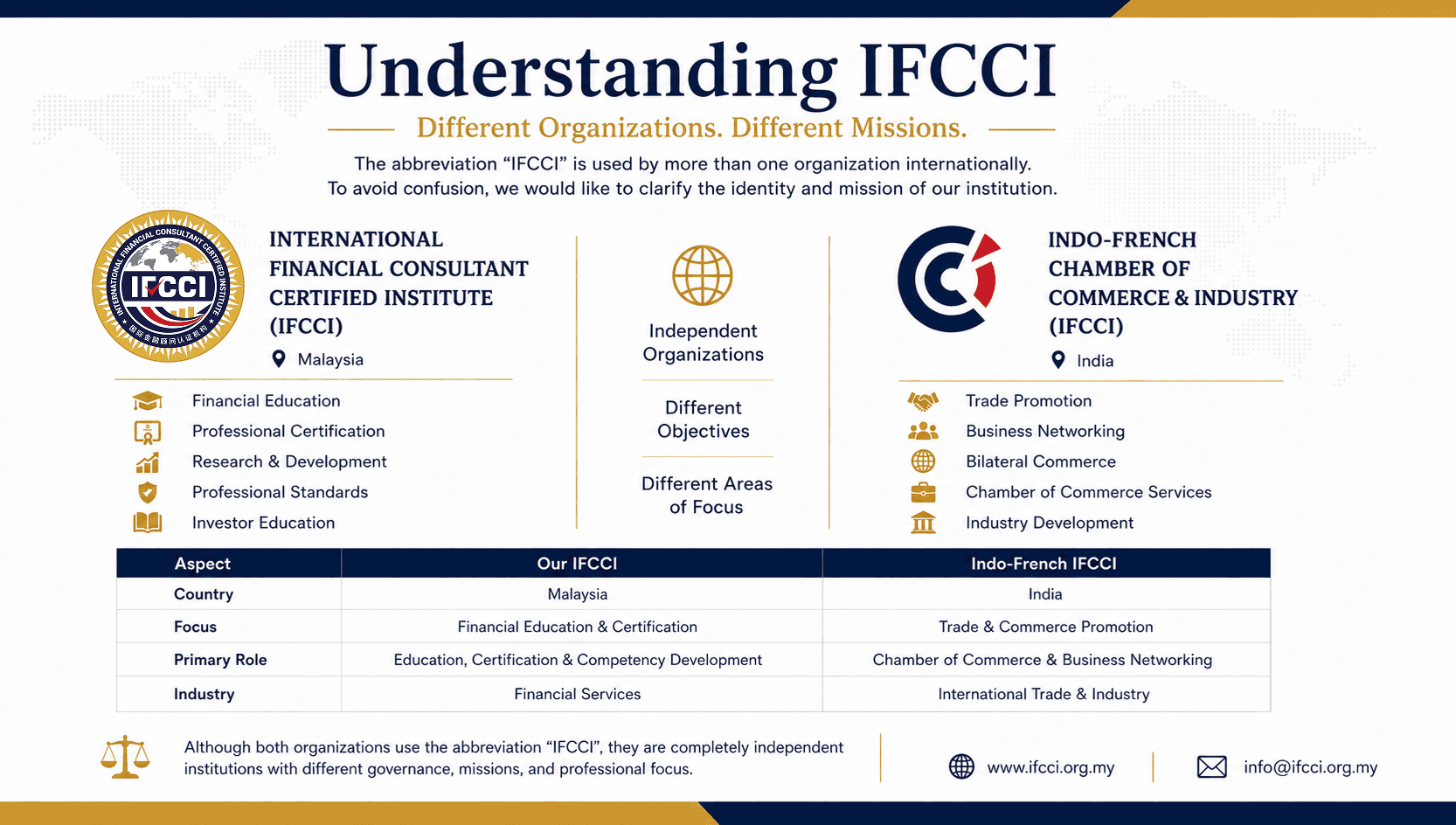
Understanding IFCCI: International Financial Consultant Certified Institute and Other Organizations Using the IFCCI Acronym
27 Jul 2026

Why International Financial Skills Championships Matter in Developing Global Financial Excellence
13 Jul 2026