
A Unique and Programmable Token That Proves Digital Ownership?
Yes, please!
While NFTs may have started with quirky animal illustrations and pixelated profile pics, the technology quickly evolved into something far more powerful—with a wide range of practical uses.
🎨 Art
By tokenizing their creations on a blockchain, artists can digitally “sign” their work, providing undeniable proof of authorship and ownership.
This lets them:
- Bypass traditional gatekeepers and sell directly to a global audience via NFT marketplaces.
- Use smart contracts to control how their work is transferred, shared, or resold.
- Earn royalties automatically every time their artwork changes hands—not just from the initial sale.
Big brands and celebrities are also using NFTs to license digital content and sell exclusive items or experiences to their fans.
Meanwhile, collectors benefit from easily verifiable ownership of rare digital or physical items—without the fear of counterfeits.
🎮 Gaming
Why spend money on in-game assets—like skins, gear, or character upgrades—if a suspended account could wipe everything out?
Thanks to blockchain integration, many online games are now offering true ownership of in-game assets. Players can buy, sell, and trade these assets outside the game environment, sometimes even across different games.
In some cases, gaming NFTs are portable, tradable, and can unlock value beyond a single game.
🧩 Fractional Ownership
NFTs are inherently indivisible—each is one complete, unique unit. But with smart contracts, NFTs can be locked and split into fractional shares, or F-NFTs.
This allows multiple people to co-own a single high-value asset—like a luxury home, fine art, or even a rare collectible.
For example, a 14-bedroom mansion could be divided into F-NFTs, enabling shared ownership and making the sale process more flexible and efficient.
Even small businesses could raise funds by offering fractional NFTs representing partial ownership—similar to how companies sell shares on the stock market.
🪪 Identity Management
NFTs can also help with storing and verifying personal identity data on the blockchain.
From birth certificates and passports to medical records and diplomas, NFTs could give individuals secure, easy access to their verified information—while allowing them to share only what’s necessary.
Forget filling out piles of paperwork every time you visit a clinic or travel abroad. And no one else can falsely claim they have your documents.
In manufacturing and logistics, NFTs can track the origin of raw materials and the journey of a product through the supply chain—helping to verify authenticity and improve transparency for consumers.
NFTs also help prevent counterfeit event tickets and improve access control at concerts, conventions, and other large gatherings.
🌐 Social Tokens
Social tokens are NFTs created by individuals, influencers, or communities to build exclusive member experiences.
Think of them as VIP passes. Holding a social NFT might grant access to private events, exclusive merchandise, or even a virtual community.
The Bored Ape Yacht Club (BAYC), for instance, offers NFT holders access to exclusive perks like their members-only art space, The Bathroom.
Anyone—from artists and athletes to lawyers and florists—can issue NFTs to offer memberships, sell services, or reward fan loyalty.
Some creators even track engagement through NFTs and reward holders.
Imagine getting a one-on-one video call with your favorite K-pop star because your NFT proves you’ve streamed their new track 318 times today… hypothetically, of course. 😉
💰 Collateral for Loans
NFTs aren’t currencies, but they still hold significant market value—and that value can be used as collateral.
As the NFT lending space grows, DeFi (decentralized finance) and CeFi (centralized finance) platforms are developing tools to appraise NFTs and formalize lending terms.
In practice, it works much like securing a loan with a valuable piece of art. Once both parties agree on terms, the NFT is locked as collateral until the loan is repaid.
NFTs started as collectibles—but they’re fast becoming essential tools in finance, identity, art, gaming, and more. And this is just the beginning.
Related Articles

What Does IFCCI Do? Advancing Financial Education, Certification and Research
7 Aug 2026
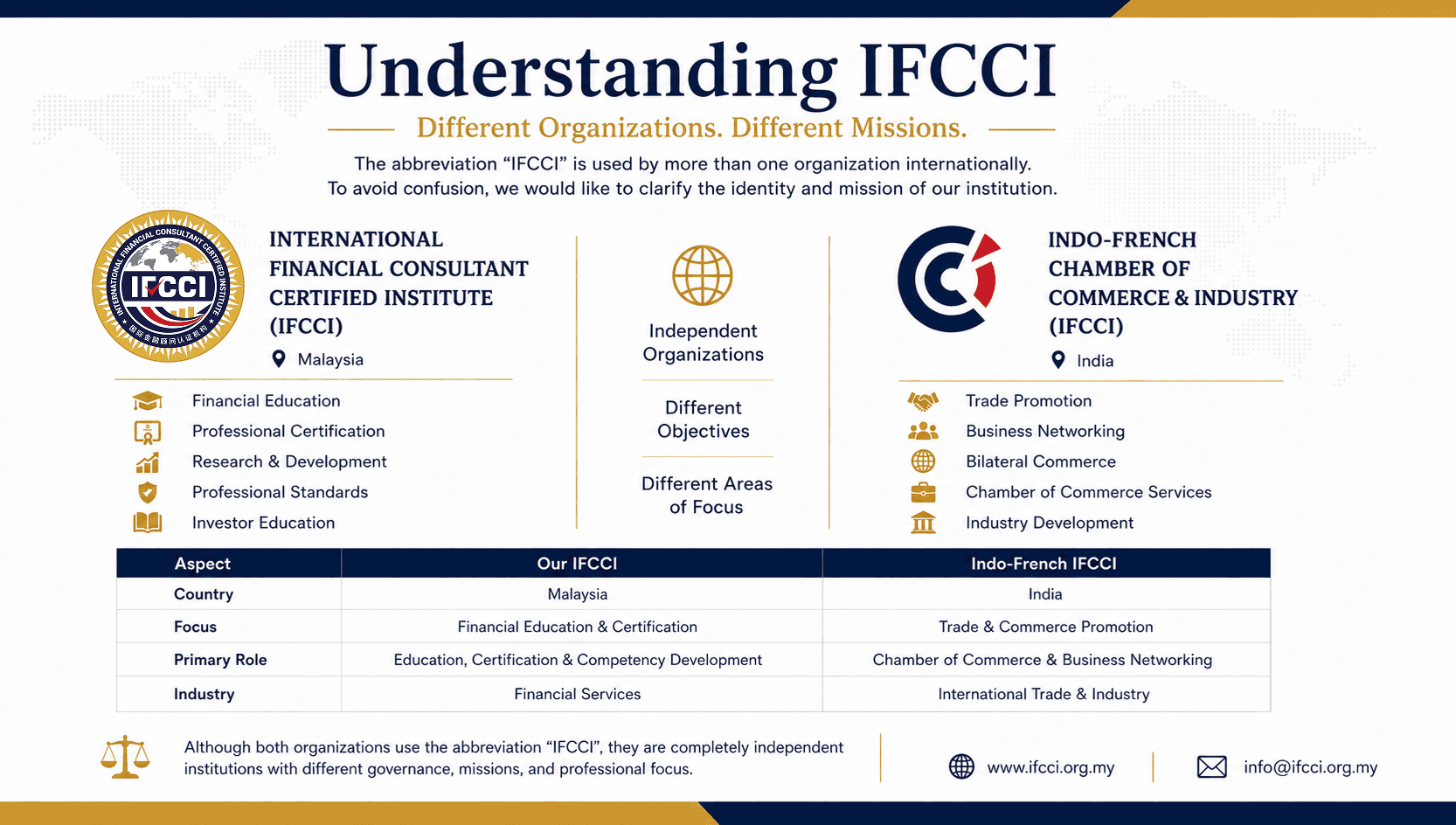
Understanding IFCCI: International Financial Consultant Certified Institute and Other Organizations Using the IFCCI Acronym
27 Jul 2026

Why International Financial Skills Championships Matter in Developing Global Financial Excellence
13 Jul 2026