
Supreme Court Rulings Loom as Trump Awaits Decision
Supreme Court Decisions Loom Over Trump-Era Trade Tariffs
High-Stakes Legal Decisions Approach
The United States Supreme Court is preparing to issue rulings that could significantly influence the future of contested trade tariffs, as former President Donald Trump awaits judicial clarity on cases tied to executive authority over trade policy.
The decisions are expected to address the legal boundaries of tariff implementation, particularly the extent to which a president may impose or sustain trade measures without explicit congressional approval.
Tariffs at the Center of the Legal Dispute
At issue are tariffs enacted during the Trump administration under national security and emergency economic provisions. Critics have argued that these measures stretched statutory authority, while supporters maintain that the executive branch acted within long-standing legal frameworks designed to protect domestic industries.
The Supreme Court’s rulings could either:
- Reinforce presidential discretion in trade policy
- Or impose clearer limits on executive authority, shifting power back toward Congress
Either outcome would have lasting implications for future administrations and the structure of U.S. trade governance.
Market Sensitivity to Judicial Outcomes
Financial markets are closely monitoring the court’s deliberations. Tariff policy has historically influenced currency markets, equity sectors tied to global supply chains, and inflation expectations.
A ruling that constrains executive tariff powers could:
- Reduce policy uncertainty for multinational firms
- Ease trade-related risk premiums
- Support more predictable investment planning
Conversely, affirmation of broad executive authority may preserve tariffs as a readily deployable policy tool, maintaining an element of strategic uncertainty in global trade relations.
Political Ramifications Ahead of Election Cycle
Beyond economic considerations, the rulings carry political weight. Trade policy has remained a central theme in Trump’s political messaging, particularly his emphasis on economic nationalism and industrial protection.
A favourable ruling could strengthen arguments for aggressive tariff use, while an adverse outcome may complicate future policy proposals or require legislative backing.
Broader Implications for US Trade Strategy
The Supreme Court’s decisions may also shape how the United States engages with trading partners going forward. Clearer legal boundaries could encourage negotiated solutions over unilateral measures, while broader executive authority may sustain a more confrontational trade posture.
International counterparts are watching closely, as the rulings may influence expectations around U.S. trade stability and policy continuity.
IFCCI Assessment: Legal Clarity Will Reduce Policy Volatility
The IFCCI Research Division assesses that the Supreme Court’s forthcoming rulings represent a critical inflection point for U.S. trade policy credibility.
Regardless of the outcome, legal clarity is likely to reduce uncertainty, which has weighed on corporate investment decisions and long-term trade planning. Markets typically respond positively to defined policy frameworks—even when constraints are tightened.
Conclusion
As the Supreme Court prepares to issue its rulings, the future of contested U.S. tariffs hangs in the balance. The decisions will not only affect Donald Trump’s trade legacy but also redefine the scope of executive authority in shaping economic policy.
For markets, businesses, and global partners alike, the rulings are poised to deliver long-awaited clarity on how far U.S. presidents can go in wielding tariffs as a tool of economic strategy.
Related Articles

What Does IFCCI Do? Advancing Financial Education, Certification and Research
7 Aug 2026
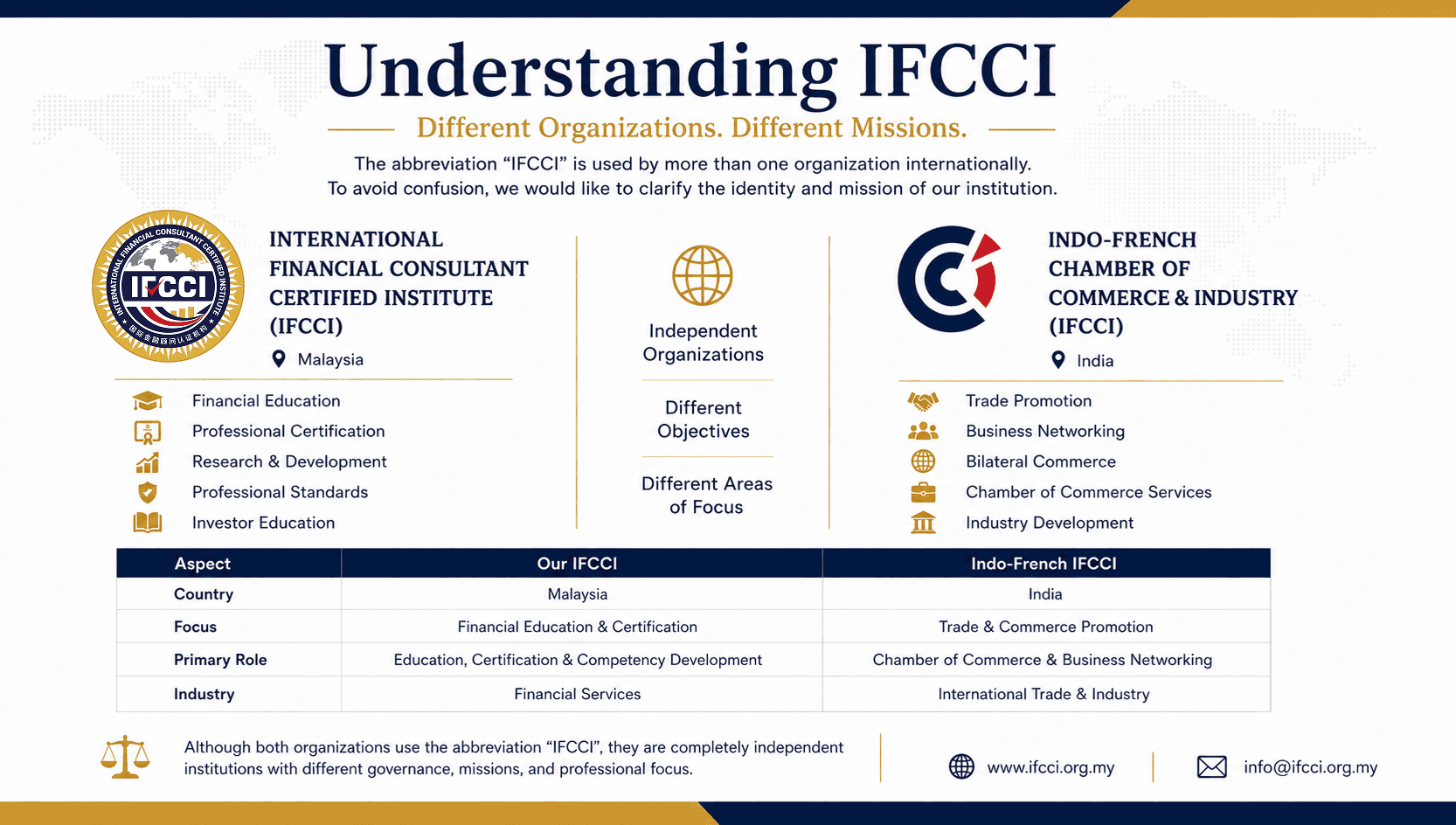
Understanding IFCCI: International Financial Consultant Certified Institute and Other Organizations Using the IFCCI Acronym
27 Jul 2026

Why International Financial Skills Championships Matter in Developing Global Financial Excellence
13 Jul 2026