
RM91mil Spent in 2 Days Under SARA Cashless Aid
RM91mil Spent Under SARA Initiative in 2 Days
KUALA LUMPUR, — The government’s Sumbangan Asas Rahmah (SARA) initiative recorded strong public response, with RM91 million spent within just two days of disbursement, reflecting the urgent household need for basic necessities amid rising living costs.
Strong Uptake from Eligible Households
According to the Ministry of Finance, more than 700,000 recipients nationwide accessed their allocated funds through participating retail chains and e-wallet platforms. The purchases were largely directed towards essential food items, baby products, and household goods, ensuring that low- and middle-income families could benefit from immediate relief.
“The rapid spending demonstrates that SARA is reaching its intended groups effectively. This proves the initiative’s role in easing financial burdens during challenging economic conditions,” the ministry said.
Mechanism & Support
The SARA initiative, part of the Payung Rahmah programme, provides cashless assistance to targeted households. Funds are channelled via designated banking partners and are redeemable at authorized merchants and retail outlets across Malaysia.
Officials highlighted that the digital delivery mechanism enhances transparency, accountability, and efficiency, while minimizing the risk of leakages or misuse.
Socio-Economic Impact
Economists view the early spending data as an indicator of household resilience strategies.
“The fact that RM91 million was utilized in such a short span underscores the urgent household demand for essential goods, while also giving a short-term boost to the domestic retail sector,” an analyst commented.
The government reiterated its commitment to expanding the SARA framework, aligning it with Malaysia’s Madani Economy agenda and ensuring continuous support for vulnerable communities.
Outlook
The Ministry of Finance is expected to release a comprehensive progress report on SARA’s impact in the coming months, covering expenditure patterns, retail participation, and longer-term economic benefits.
Related Articles

What Does IFCCI Do? Advancing Financial Education, Certification and Research
7 Aug 2026
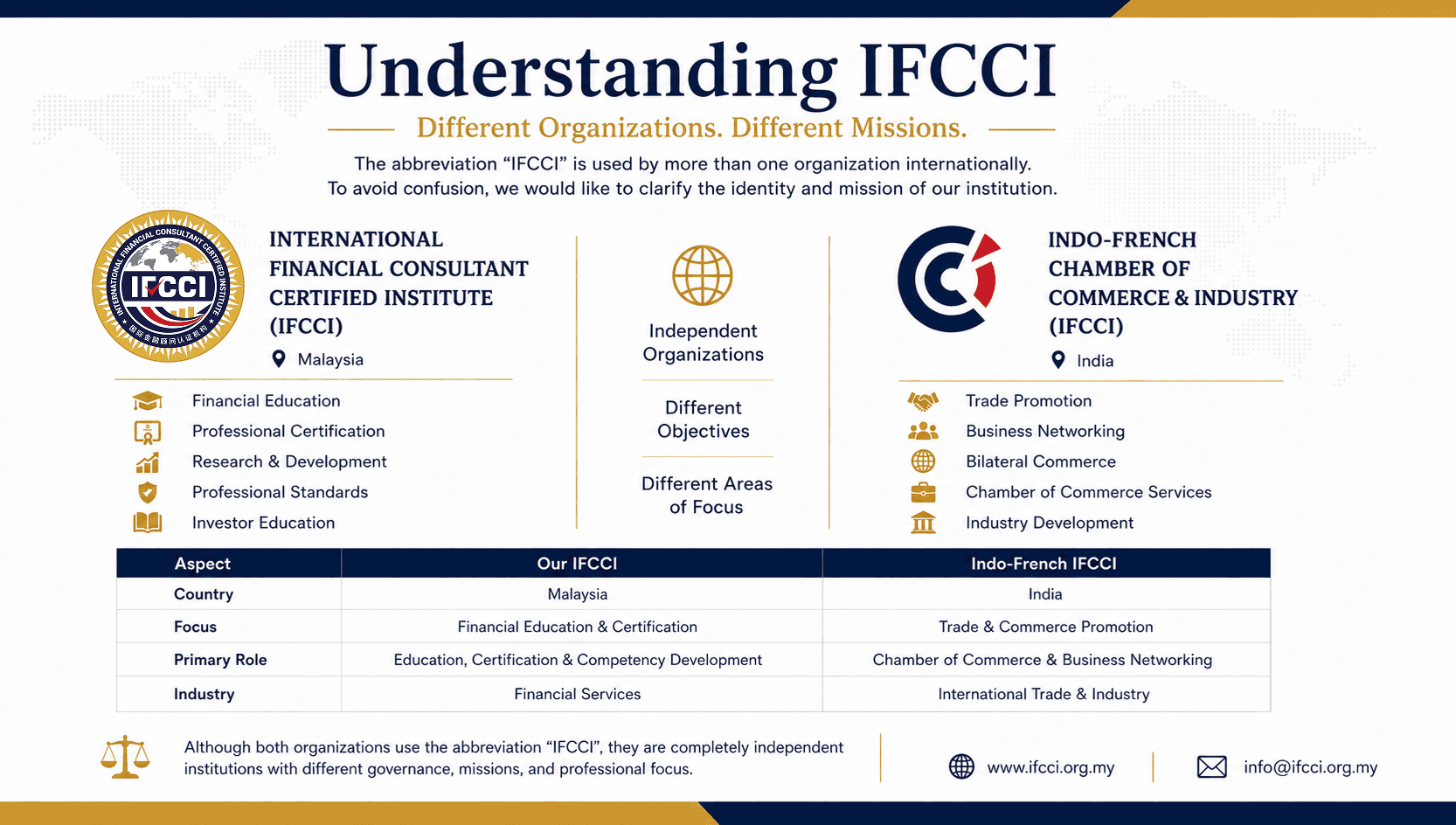
Understanding IFCCI: International Financial Consultant Certified Institute and Other Organizations Using the IFCCI Acronym
27 Jul 2026
Why International Financial Skills Championships Matter in Developing Global Financial Excellence
13 Jul 2026