
Polkadot Introduces Revolutionary Proof-of-Personhood Identity System
Introduction: Why Identity Matters in Web3
In a world where bots flood online platforms and anonymity can lead to manipulation, verifiable digital identity has become a cornerstone for the future of Web3. Recognizing this critical need, Polkadot has officially launched its Proof-of-Personhood (PoP) identity system, aiming to redefine the way individuals authenticate themselves on decentralized platforms.
This new system is poised to address long-standing issues in blockchain governance, DeFi participation, and Sybil-resistance mechanisms, all without compromising user privacy. But what exactly is Proof-of-Personhood, and why is this development so significant?
What Is Proof-of-Personhood?
Proof-of-Personhood (PoP) is a concept designed to verify that a digital identity corresponds to a real, unique human being—without revealing who that person actually is. Unlike traditional KYC (Know Your Customer) protocols, which require centralized identity validation, PoP focuses on decentralized and privacy-preserving methods.
In Polkadot’s implementation, this system uses a combination of:
- Biometric hashing (not storage)
- Zero-knowledge proofs
- Blockchain-anchored attestations
- Social and community verifications
The result is a secure, non-fungible human identity that allows users to participate in sensitive Web3 activities like voting, DAO membership, and exclusive token drops.
Key Features of Polkadot’s Identity System
🔒 Privacy by Design
Users do not need to reveal personal data to a central server. Instead, they use zero-knowledge proof systems to demonstrate uniqueness without disclosing specifics.
🌐 Interoperability Across Chains
Thanks to Polkadot’s relay chain and parachain architecture, this PoP identity can be used seamlessly across multiple Web3 projects built on Polkadot or integrated via bridges.
🤖 Sybil Attack Resistance
The system limits multiple account creation by validating unique identities, ensuring fairer DAO participation and token distributions.
👥 Human-Gated Access
Exclusive access to dApps, content, and features can now be granted only to verified humans—ensuring bots are kept out.
How It Works: A Simple 3-Step Overview
- Onboarding
- A user enrolls via a dApp using facial recognition, device fingerprinting, or verified credential issuance.
- Zero-Knowledge Validation
- The system generates a proof that the user is unique, without storing any identifiable information.
- Token or Badge Issuance
- The user receives a PoP token or credential, which can be used across Polkadot-compatible platforms.
Why Polkadot’s Move Is Game-Changing
Polkadot’s Proof-of-Personhood is more than just a feature—it represents a philosophical pivot for Web3:
- ✅ Empowering Real Communities: No more manipulation by fake accounts in DAO voting or forum debates.
- ✅ Enabling Fair DeFi Access: Prevents whales from splitting wallets to dominate airdrops or yield farming.
- ✅ Compliant Yet Anonymous: Offers a new model for KYC-free regulation compliance through self-sovereign identity.
As Web3 scales, human authenticity will be as important as digital asset security.
Potential Use Cases Across the Ecosystem
| Use Case | Impact of Proof-of-Personhood |
|---|---|
| DAO Governance | One human = one vote, fair governance |
| DeFi Protocols | Prevent airdrop manipulation |
| NFT Communities | Gate content access by verified humans |
| Web3 Social Platforms | Stop bot farms and fake engagement |
| Event Ticketing | Prevent resale and scalping |
What This Means for Developers
Developers building on Polkadot can now access APIs and SDKs to integrate PoP identity into their platforms. By verifying user humanity without collecting PII (Personally Identifiable Information), builders can offer:
- Bot-resistant smart contracts
- Human-only content feeds
- On-chain user reputation linked to verified identity
Challenges & Limitations
While promising, this new system does raise questions:
- ⚠️ How to prevent coercion or identity leasing?
- ⚠️ Will biometric onboarding alienate privacy purists?
- ⚠️ Can it scale globally without hardware limits?
Polkadot is addressing these with modular integrations—letting each dApp choose the level of verification it needs.
Conclusion: The Future of Web3 Identity
Polkadot’s Proof-of-Personhood identity system marks a pivotal step forward for the decentralized internet. By focusing on privacy-preserving, human-verified identity, it empowers communities, strengthens trust, and helps filter out bots and bad actors.
As more blockchain ecosystems move toward real-world adoption, identity will be the bridge between trustless technology and trusted interaction—and Polkadot may have just built that bridge.
Related Articles

What Does IFCCI Do? Advancing Financial Education, Certification and Research
7 Aug 2026
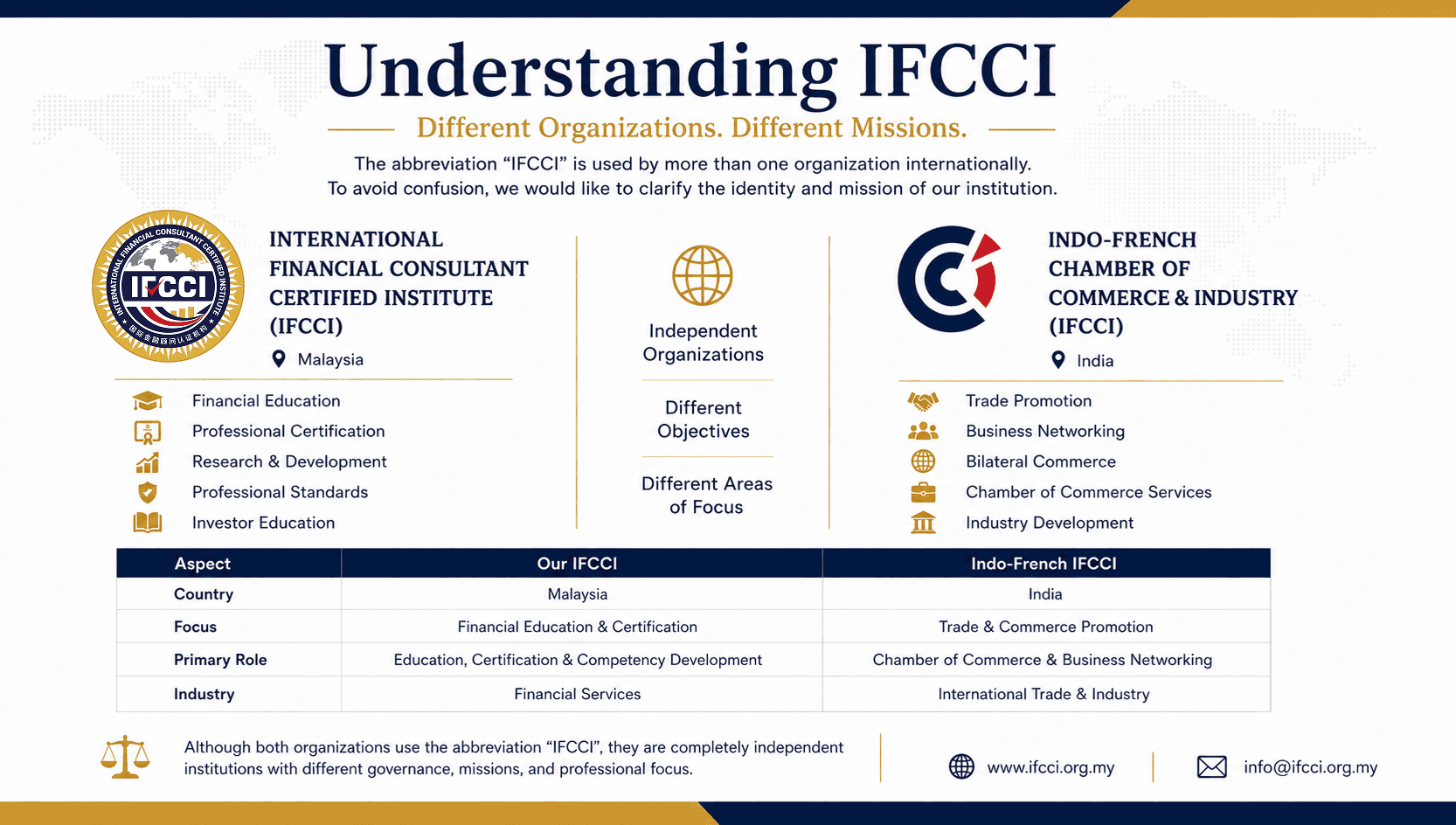
Understanding IFCCI: International Financial Consultant Certified Institute and Other Organizations Using the IFCCI Acronym
27 Jul 2026

Why International Financial Skills Championships Matter in Developing Global Financial Excellence
13 Jul 2026